AI-Driven RAN: Next-Generation Intelligent Base Stations
JUL 7, 2025 |
The advent of artificial intelligence (AI) technologies is transforming various industries, and the telecommunications sector is no exception. Radio Access Networks (RAN), which play a critical role in wireless communication, are now evolving with AI integration to become more intelligent and efficient. These AI-driven RAN systems promise to enhance network performance, optimize resources, and facilitate seamless connectivity. This blog explores the next-generation intelligent base stations powered by AI and their implications for the future of telecommunications.
The Role of RAN in Telecommunications
RAN is a crucial component in the telecommunications infrastructure, connecting user devices to the core network. Traditionally, RAN comprises base stations that manage radio communications over the air interface. These base stations are responsible for tasks such as signal processing, call handling, and data traffic management. However, with increasing demands for higher data rates, lower latency, and better coverage, traditional RAN systems face challenges in meeting these expectations efficiently.
Integrating AI into RAN
AI offers innovative approaches to overcome these challenges by introducing advanced data analytics, machine learning, and automation capabilities into RAN systems. By leveraging AI, base stations can become more intelligent, adaptive, and capable of making autonomous decisions. This integration enables the following key advancements:
1. Network Optimization: AI algorithms can analyze vast amounts of data in real-time to optimize network parameters dynamically. This ensures optimal performance by adjusting power levels, frequency allocation, and load balancing, ultimately enhancing user experience.
2. Predictive Maintenance: AI-driven RAN systems can predict potential failures and maintenance needs by analyzing patterns and anomalies in network behavior. This proactive approach reduces downtime, improves reliability, and minimizes operational costs.
3. Resource Management: AI can efficiently manage scarce network resources by prioritizing traffic, dynamically allocating bandwidth, and reducing interference. This intelligent resource management leads to improved network efficiency and capacity.
Enhancing User Experience
One of the most significant benefits of AI-driven RAN is the enhancement of user experience. By optimizing network performance, AI ensures seamless connectivity, especially in high-density areas and during peak usage times. Users can enjoy uninterrupted services with faster download speeds, lower latency, and improved call quality, transforming how we interact with digital content and communication services.
AI-Driven RAN and 5G
The deployment of 5G networks is accelerating, and AI-driven RAN systems are pivotal in achieving the full potential of 5G technology. The low latency and high bandwidth capabilities of 5G require intelligent base stations to manage the complex and dynamic nature of these networks effectively. AI-driven RAN systems can adapt to varying network conditions, support massive device connectivity, and provide ultra-reliable communication, making them a cornerstone for the success of 5G.
Challenges and Considerations
While AI-driven RAN offers numerous benefits, there are challenges and considerations to address. These include:
1. Data Privacy and Security: The utilization of AI involves collecting and analyzing large volumes of data, raising concerns about data privacy and security. Ensuring robust encryption and compliance with regulations is essential.
2. Complexity and Cost: Implementing AI-driven RAN systems can be complex and costly. Network operators must weigh the benefits against the investment required for AI integration.
3. Standardization: The lack of standardized protocols for AI in telecommunications may hinder seamless integration across different networks and equipment from various vendors.
Conclusion
AI-driven RAN systems represent a significant leap forward for telecommunications, promising more intelligent, efficient, and adaptive base stations. By harnessing the power of AI, these systems can optimize network performance, enhance user experience, and support the growing demands of modern communication networks. As the industry continues to innovate, AI-driven RAN will undoubtedly play a crucial role in shaping the next generation of wireless communication, paving the way for smarter and more connected societies.
Empower Your Wireless Innovation with Patsnap Eureka
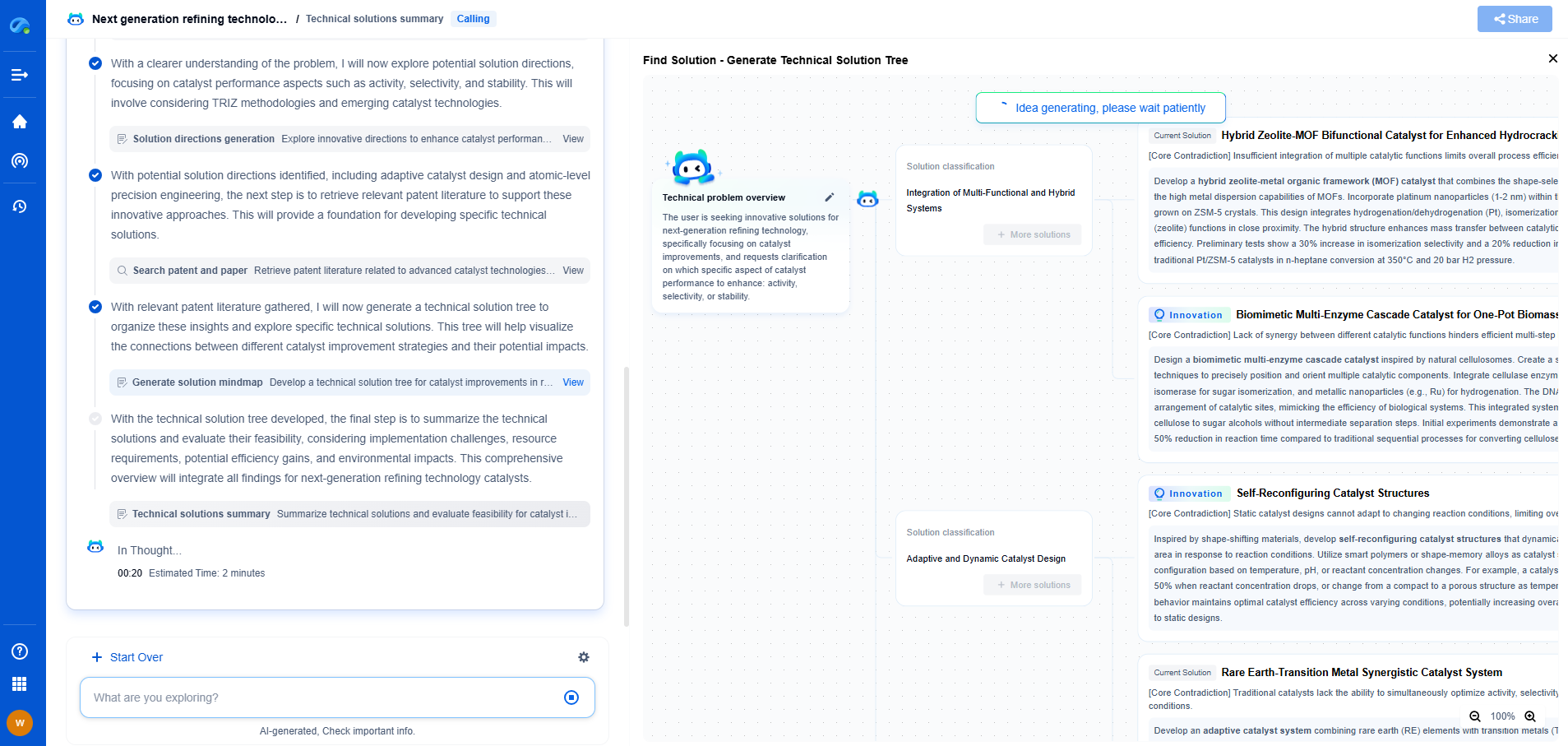
From 5G NR slicing to AI-driven RRM, today’s wireless communication networks are defined by unprecedented complexity and innovation velocity. Whether you’re optimizing handover reliability in ultra-dense networks, exploring mmWave propagation challenges, or analyzing patents for O-RAN interfaces, speed and precision in your R&D and IP workflows are more critical than ever.
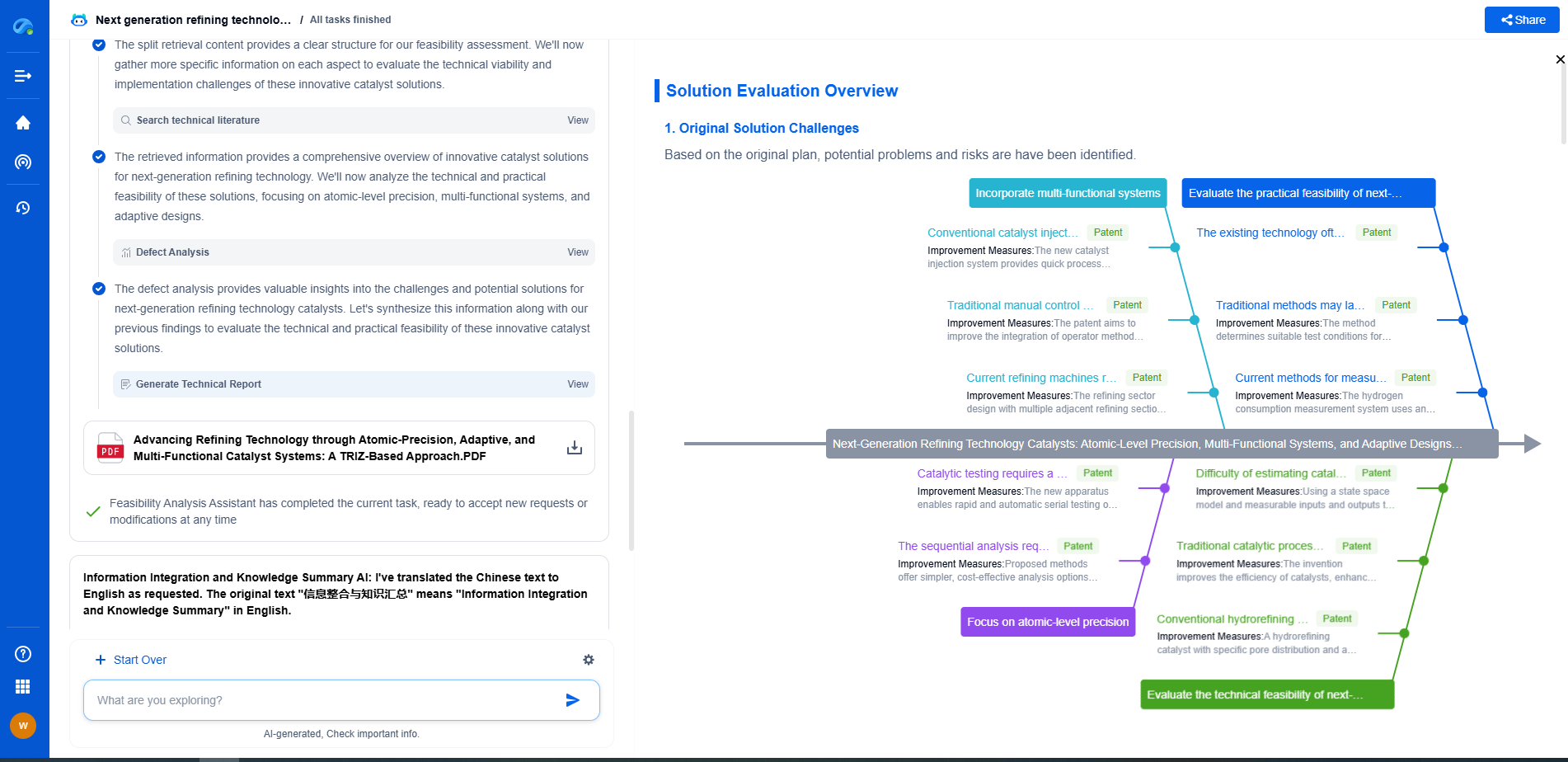
Patsnap Eureka, our intelligent AI assistant built for R&D professionals in high-tech sectors, empowers you with real-time expert-level analysis, technology roadmap exploration, and strategic mapping of core patents—all within a seamless, user-friendly interface.
Whether you work in network architecture, protocol design, antenna systems, or spectrum engineering, Patsnap Eureka brings you the intelligence to make faster decisions, uncover novel ideas, and protect what’s next.
🚀 Try Patsnap Eureka today and see how it accelerates wireless communication R&D—one intelligent insight at a time.