AI-Optimized Gear Shifting: Machine Learning for Predictive DCT Control
JUL 2, 2025 |
Dual-Clutch Transmissions (DCTs) have revolutionized the automotive industry by offering smoother and faster gear changes, thereby enhancing driving performance and fuel efficiency. Unlike traditional automatic transmissions, DCTs use two separate clutches for odd and even gear sets, allowing for seamless gear shifts. While DCTs have marked a significant improvement over their predecessors, the integration of artificial intelligence (AI) offers the potential to push their capabilities even further through predictive control.
The Role of Machine Learning in Gear Shifting
Machine learning (ML) provides a powerful toolkit for enhancing the performance of DCTs by predicting the optimal gear shift points based on a variety of driving conditions. By analyzing data such as throttle position, engine speed, and vehicle speed, ML algorithms can discern patterns and make real-time decisions that optimize gear transitions. This predictive capability not only ensures smoother rides but also improves fuel economy and reduces wear on the transmission.
Predictive Algorithms and Their Functionality
Predictive algorithms are at the core of AI-optimized gear shifting. Utilizing methods such as supervised learning, these algorithms are trained on vast datasets from past driving scenarios. This data-driven approach enables the system to anticipate the driver's intentions and the vehicle's needs, effectively allowing the transmission to 'think ahead.' As a result, the system can pre-select the next likely gear based on current driving conditions, ensuring a prompt and precise shift.
Enhancing Driving Experience and Efficiency
The implementation of ML in DCT control enhances the driving experience by providing more intuitive and responsive gear shifting. Drivers benefit from a seamless transition between gears, reducing the lag typically associated with conventional automatic transmissions. Moreover, the anticipatory nature of predictive control helps in maintaining an optimal engine speed, leading to better fuel efficiency. This optimization is not only economically beneficial for drivers but also contributes to a reduction in the vehicle's carbon footprint.
Challenges in Implementation
Despite its promise, the integration of AI in DCT systems is not without challenges. One of the primary hurdles is ensuring the reliability and safety of the machine learning models. These systems must be robust enough to handle a wide range of driving scenarios, including unforeseen or extreme conditions. Additionally, the computational demand of running real-time predictions necessitates advanced hardware, which can influence the overall cost and complexity of the vehicle's design.
Future Prospects and Innovations
Looking ahead, the future of AI-optimized gear shifting is bright, with continuous advancements in machine learning and sensor technologies. Future developments could involve the use of more sophisticated algorithms, such as deep learning, which may further enhance predictive accuracy. Moreover, the integration of vehicle-to-everything (V2X) communication could provide additional data sources, allowing the system to adjust gear shifts in response to traffic patterns and road conditions.
Conclusion
AI-optimized gear shifting represents a significant leap forward in automotive technology, combining the mechanical sophistication of DCTs with the predictive power of machine learning. As these systems continue to evolve, they hold the potential to redefine the standards of vehicle performance, efficiency, and driver satisfaction. The journey towards fully realized AI-driven transmissions is an exciting frontier, promising to deliver smarter and more adaptive vehicles for the future.
Boost Innovation in Gears & Transmissions with Patsnap Eureka
Whether you're designing a next-gen planetary gearbox or optimizing gear tooth profiles for noise reduction, keeping up with the fast-evolving landscape of mechanical transmissions requires more than just experience—it takes insight, speed, and smart tools.
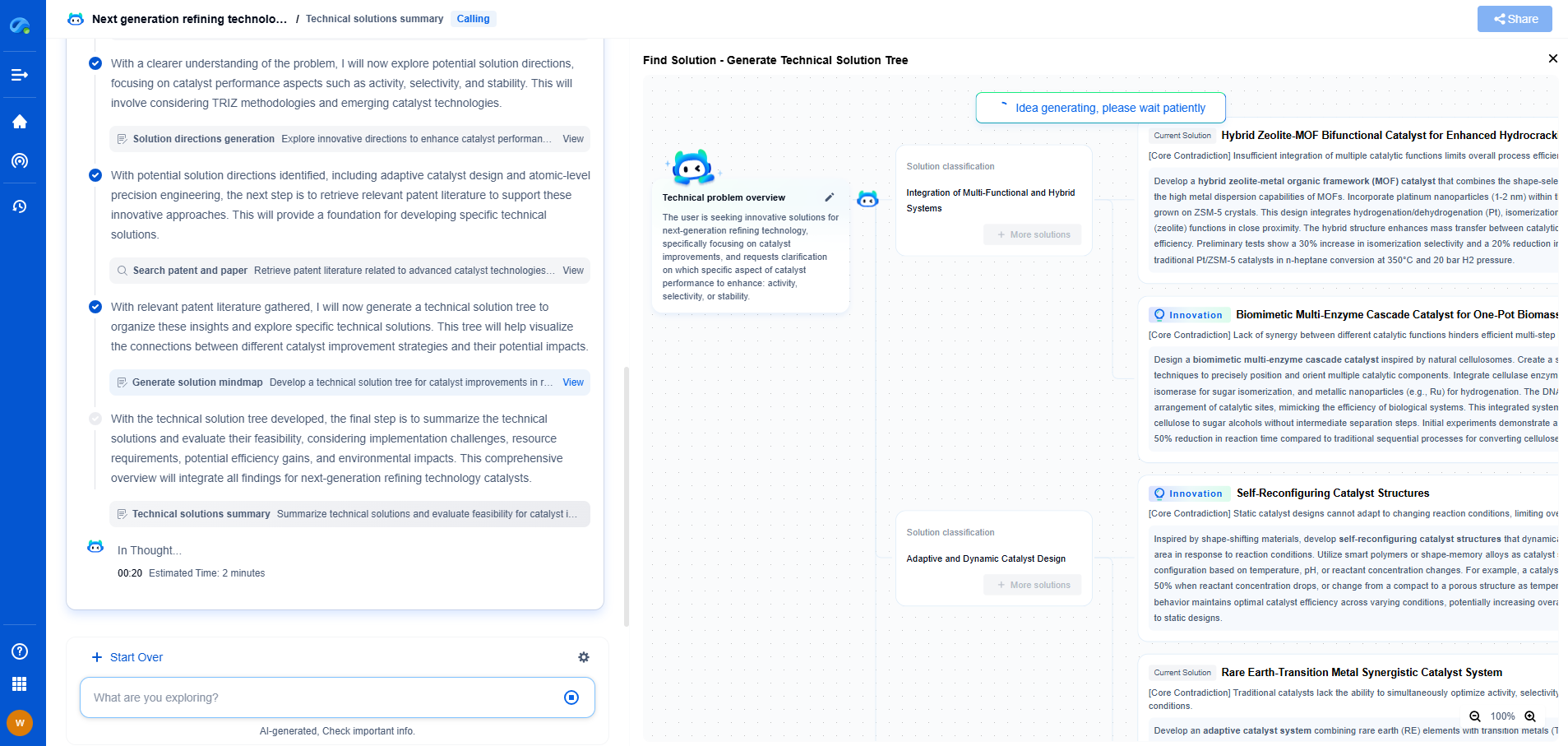
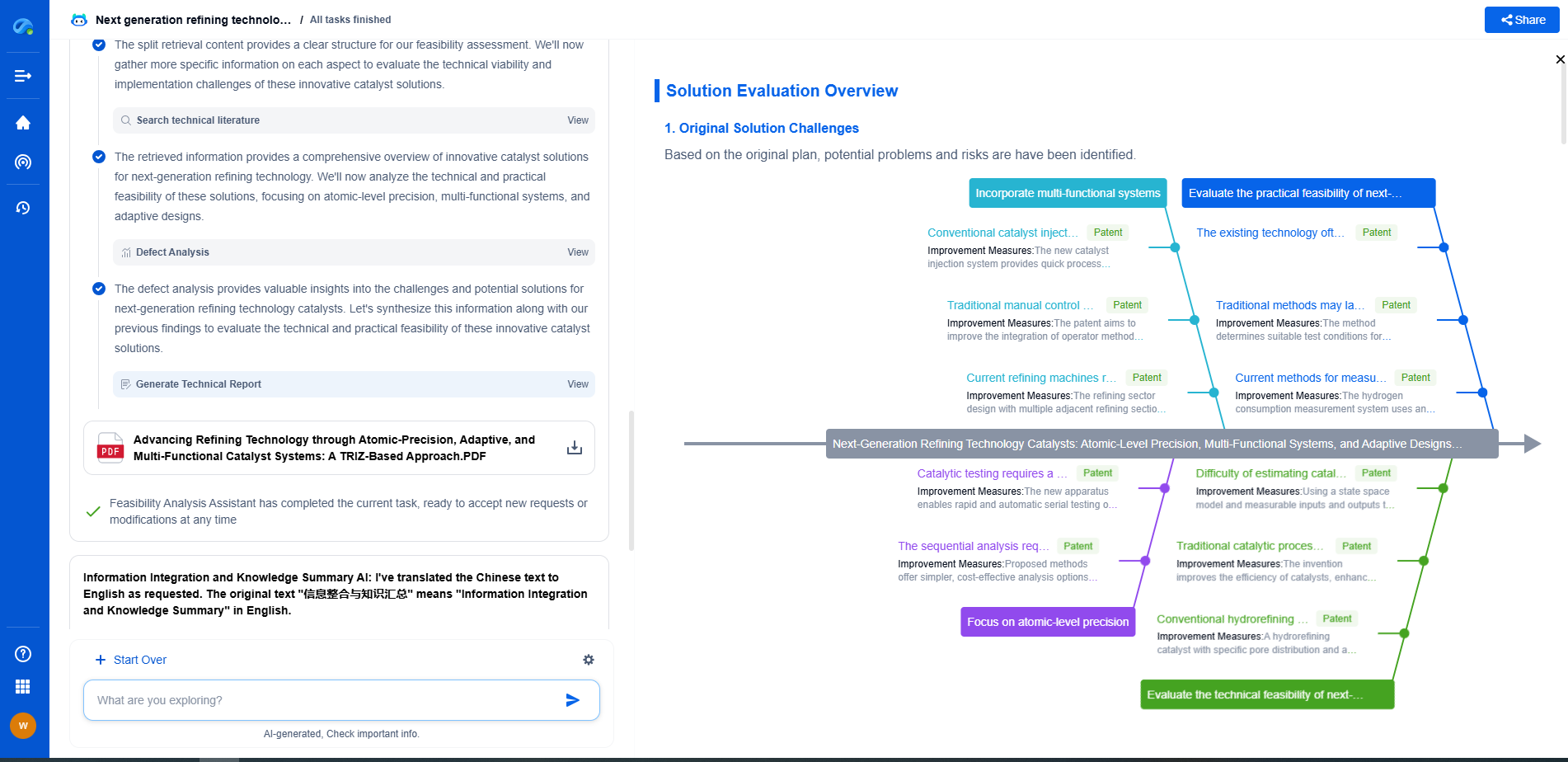
Patsnap Eureka, our intelligent AI assistant built for R&D professionals in high-tech sectors, empowers you with real-time expert-level analysis, technology roadmap exploration, and strategic mapping of core patents—all within a seamless, user-friendly interface.
Whether you're streamlining a manual transmission system or exploring electromechanical actuation, Patsnap Eureka helps your team move from concept to novelty faster than ever.
👉 Experience Eureka in action—request a personalized demo today and see how AI can revolutionize your gear innovation workflows.