API 1163 Standards for Pigging Operations: What Inspectors Look For
JUN 20, 2025 |
API 1163 is a standard developed by the American Petroleum Institute (API) that provides guidelines for the qualification of in-line inspection (ILI) systems. The standard is crucial for ensuring the integrity of pipeline systems through the effective use of pigging operations. Pigging refers to the practice of using devices known as "pigs" to perform various maintenance operations on pipelines, such as cleaning and inspecting the interior of the pipes.
The Importance of Pigging in Pipeline Maintenance
Pigging operations are vital for the maintenance and safety of pipelines. These operations help to ensure the pipes are free of obstructions, corrosion, and other potential issues that could compromise their integrity. Inspectors use API 1163 to assess the effectiveness and reliability of pigging operations, with the ultimate goal of preventing leaks, spills, and other environmental hazards.
Key Elements That Inspectors Look For
Inspectors play a crucial role in evaluating pigging operations in line with API 1163 standards. Here's what they typically focus on:
1. **Qualification of Inspection Systems**
Inspectors evaluate whether the in-line inspection systems are appropriately qualified. This involves assessing the technology used, its accuracy, and reliability in detecting anomalies within the pipeline. Verification of system qualification is essential to ensure that the inspection results are trustworthy.
2. **Data Quality and Integrity**
The quality and integrity of the data collected during pigging operations are paramount. Inspectors review the data to confirm its accuracy, consistency, and relevance. This includes ensuring that the data reflects actual conditions within the pipeline and is suitable for identifying potential risks.
3. **Personnel Competency**
The competency of personnel conducting pigging operations is another critical aspect that inspectors scrutinize. Inspectors ensure that the individuals involved are adequately trained, certified, and experienced in handling ILI systems. Proper training minimizes errors and enhances the accuracy of inspections.
4. **Compliance with Procedures**
Inspectors ensure that pigging operations adhere to established procedures and guidelines. This involves verifying that operations follow the correct protocols, including the preparation, execution, and analysis phases. Compliance guarantees that inspections are carried out systematically and safely.
5. **Documentation and Reporting**
Proper documentation and reporting are essential components of effective pigging operations. Inspectors look for comprehensive records that detail every aspect of the inspection process, from planning to execution and results. Detailed documentation supports transparency and facilitates follow-up actions if necessary.
Challenges in Pigging Operations
Despite the advanced guidelines provided by API 1163, pigging operations can encounter several challenges. These include dealing with difficult pipeline geometries, high-pressure environments, and operational constraints. Inspectors must be prepared to address these challenges and recommend solutions to ensure continued pipeline integrity.
The Role of Technology in Enhancing Pigging Operations
Modern technology plays a significant role in improving the effectiveness of pigging operations. Inspectors are increasingly utilizing advanced tools such as smart pigs equipped with sensors and data processors. These technologies support precise measurements and provide real-time data, enhancing the reliability and efficiency of inspections.
Conclusion
API 1163 standards for pigging operations are essential for maintaining pipeline integrity and preventing environmental hazards. Inspectors, equipped with this standard, perform a vital function in ensuring that pipelines remain safe and operational. By focusing on system qualification, data quality, personnel competency, procedural compliance, and thorough documentation, inspectors can effectively safeguard the pipelines and contribute to the overall safety and reliability of the energy infrastructure.
Transform the Way You Innovate in Pipeline Technology—with AI-Powered Intelligence
From corrosion-resistant materials to smart monitoring systems and advanced flow control mechanisms, the pipeline industry is undergoing rapid technological transformation. Yet keeping up with evolving engineering solutions, regulatory landscapes, and competitive patents can be a major bottleneck for R&D and IP teams.
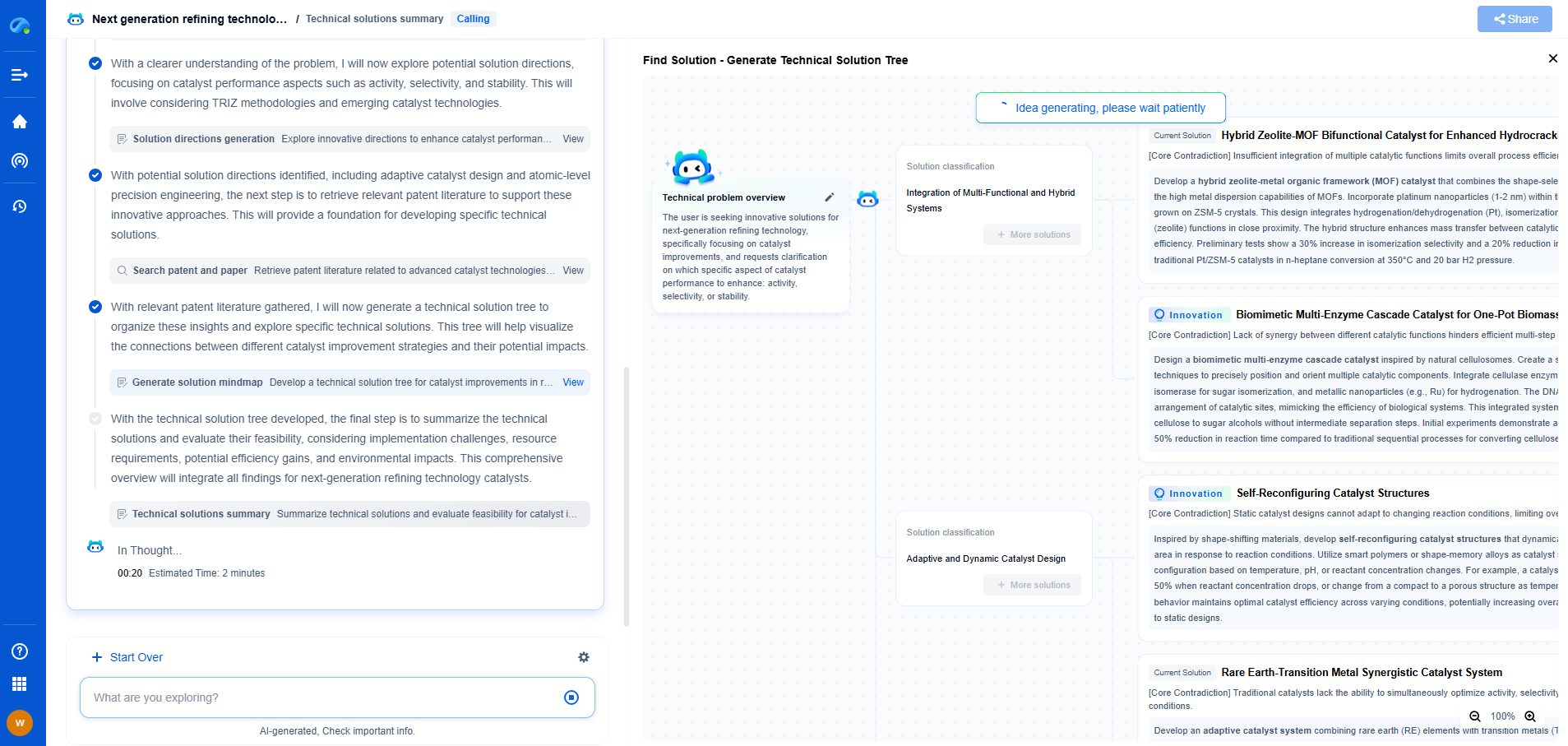
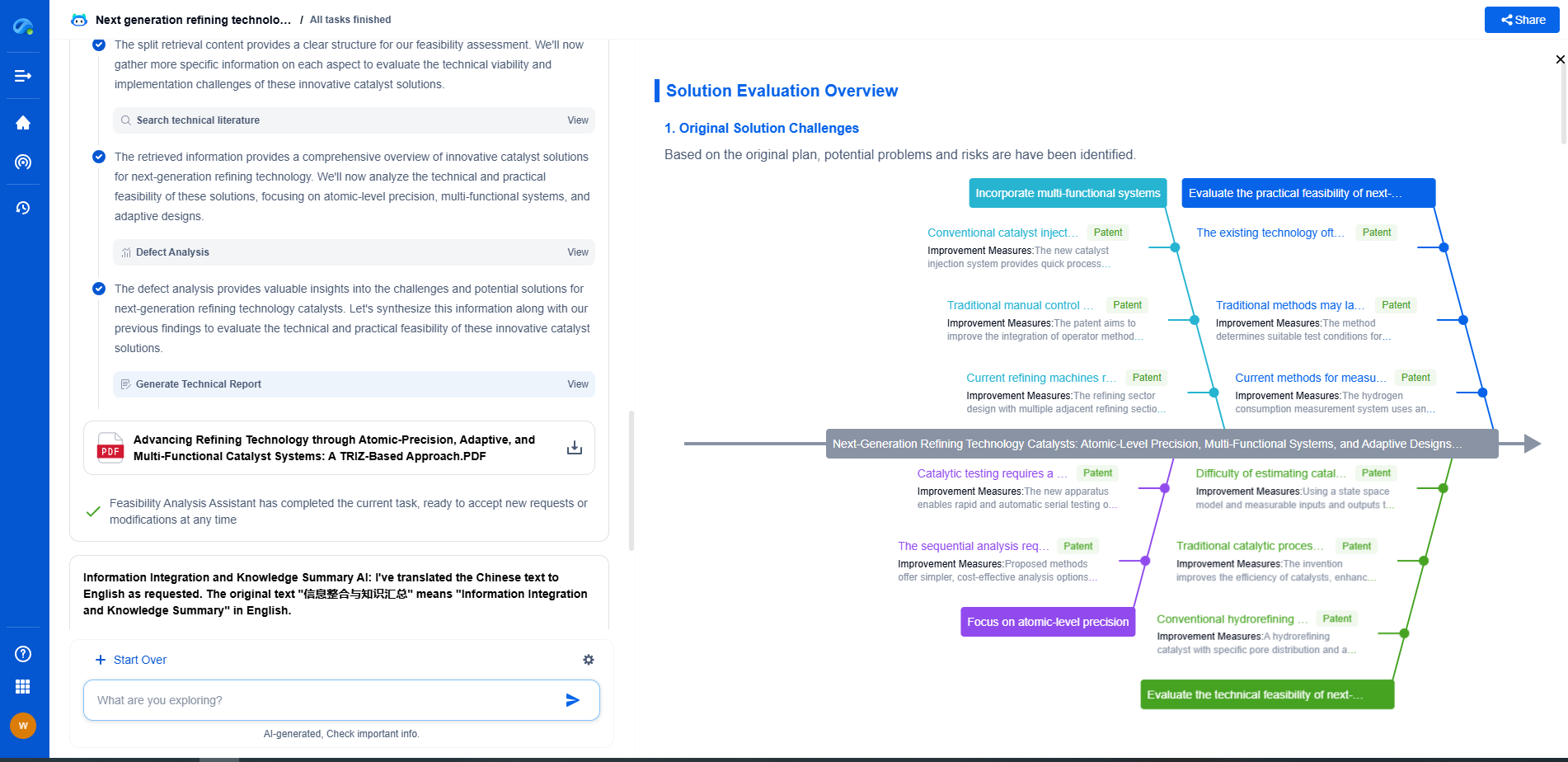
Patsnap Eureka is your AI-powered research companion—built specifically for professionals in high-tech and infrastructure domains like pipeline technology. Whether you're designing high-pressure transport systems, assessing trenchless installation innovations, or safeguarding proprietary flow assurance solutions, Eureka provides real-time insights into global patent trends, emerging technologies, and R&D intelligence—all in one intuitive interface.
Empower your team to innovate faster, reduce technical blind spots, and stay ahead of industry shifts. Discover Patsnap Eureka today and bring clarity and confidence to your pipeline technology decisions.