Auto-Scaling in Measurement Systems: Dynamic Range Adjustment Techniques
JUL 17, 2025 |
Introduction to Auto-Scaling in Measurement Systems
In the realm of measurement systems, dynamic range adjustment is crucial for ensuring accuracy and reliability. Traditional systems often face challenges when dealing with varied input ranges, leading to saturation or loss of sensitivity. Auto-scaling techniques offer a solution by dynamically adjusting the measurement scale in response to changing input conditions, enhancing the system's versatility and performance.
Understanding Measurement System Dynamics
A measurement system's dynamic range encompasses the spectrum of signals it can accurately measure, from the smallest to the largest. Systems with a limited dynamic range may struggle when encountering signals outside their designed scope, resulting in errors or data loss. Auto-scaling addresses these limitations by enabling the system to automatically adjust its range to accommodate fluctuating input levels.
Key Techniques for Dynamic Range Adjustment
1. Feedback Mechanisms
Feedback mechanisms are integral to auto-scaling, allowing systems to adjust their settings based on real-time input analysis. By continuously monitoring the input signal, feedback systems can identify when the range needs adjustment, ensuring measurements remain within optimal parameters. This approach minimizes manual intervention and enhances the system's adaptability to varying conditions.
2. Gain Control Adjustments
Gain control is a common technique used to manage dynamic range. By adjusting the gain settings, the system can amplify weak signals or attenuate strong ones, maintaining a balanced output. Automatic gain control (AGC) systems are widely used in audio and communication devices to prevent distortion and ensure clarity by adapting to input signal variations.
3. Adaptive Filtering
Adaptive filtering involves adjusting the system's filter parameters in response to changing input conditions. This technique helps eliminate noise and maintain signal fidelity, particularly in environments with fluctuating noise levels. By dynamically tuning the filter settings, the system can focus on relevant signal components, enhancing measurement accuracy.
4. Time-Scaling Algorithms
Time-scaling algorithms adjust the rate at which data is sampled, providing flexibility in capturing signals of varying frequencies. This approach is particularly beneficial in applications where signal characteristics change rapidly over time. By adapting the sampling rate, the system can maintain high-resolution measurements without overloading data processing capabilities.
Challenges and Considerations
While auto-scaling offers numerous advantages, it also presents certain challenges. Implementing dynamic range adjustment requires sophisticated algorithms and precise calibration to prevent over-adjustment and ensure stability. Additionally, the system must balance responsiveness with the potential for introducing latency or lag in signal processing.
Future Trends in Auto-Scaling Technologies
As technology continues to evolve, the future of auto-scaling in measurement systems looks promising. Advances in machine learning and artificial intelligence are opening new avenues for developing smarter, more adaptive systems. These technologies can analyze patterns in input signals, predict changes, and adjust the measurement range preemptively, further enhancing system efficiency and accuracy.
Conclusion
Auto-scaling in measurement systems represents a significant advancement in addressing the challenges of dynamic range adjustment. By employing techniques such as feedback mechanisms, gain control adjustments, adaptive filtering, and time-scaling algorithms, these systems can maintain accuracy and reliability across diverse input conditions. As technology progresses, the integration of AI and machine learning will likely drive further innovations, paving the way for even more sophisticated and responsive measurement systems.
Whether you’re developing multifunctional DAQ platforms, programmable calibration benches, or integrated sensor measurement suites, the ability to track emerging patents, understand competitor strategies, and uncover untapped technology spaces is critical.
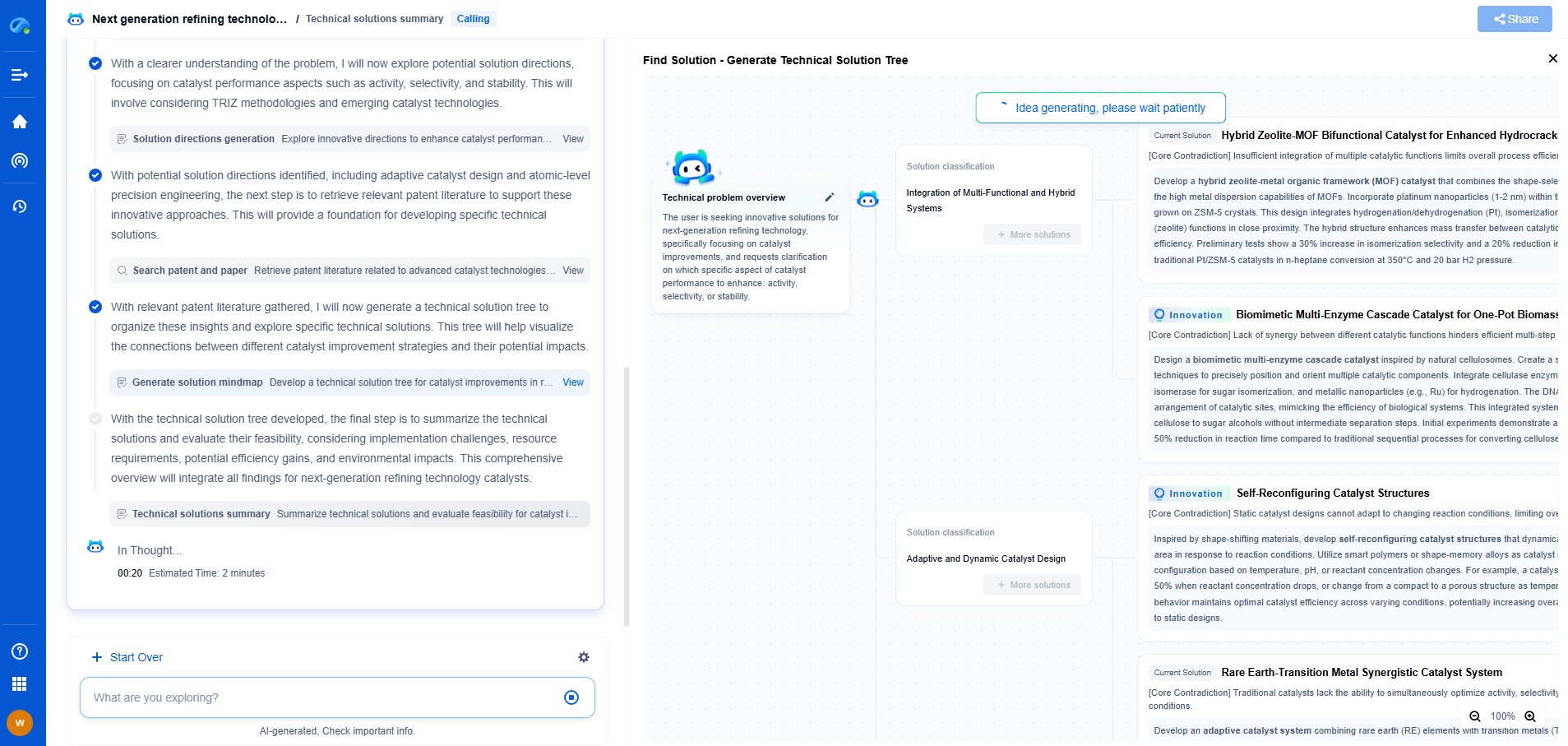
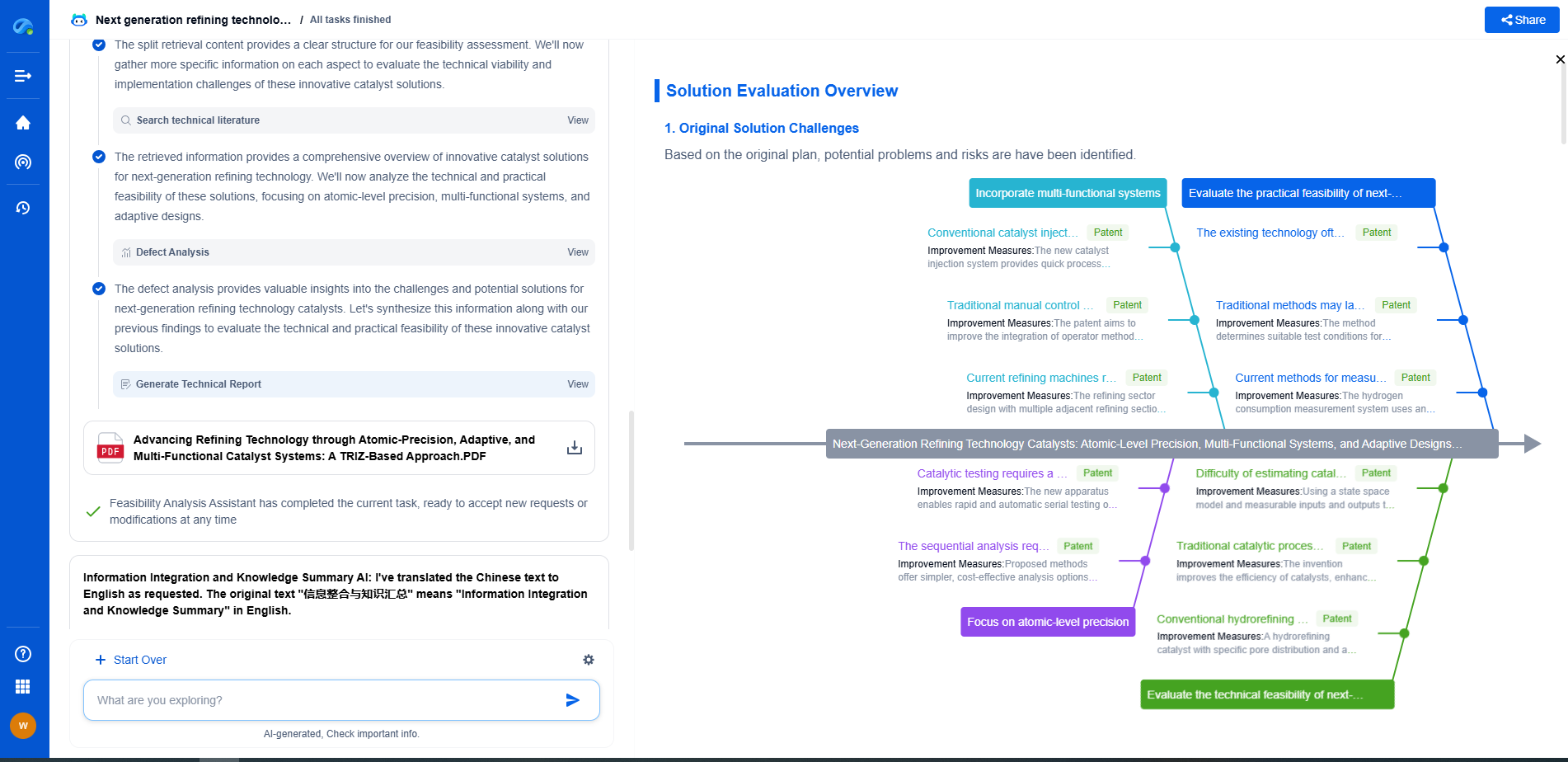
Patsnap Eureka, our intelligent AI assistant built for R&D professionals in high-tech sectors, empowers you with real-time expert-level analysis, technology roadmap exploration, and strategic mapping of core patents—all within a seamless, user-friendly interface.
🧪 Let Eureka be your digital research assistant—streamlining your technical search across disciplines and giving you the clarity to lead confidently. Experience it today.