Can AI Predict IC Failure Modes Before They Happen?
JUL 8, 2025 |
In the rapidly evolving field of electronics, integrated circuits (ICs) form the backbone of virtually every modern device. As technology advances, the complexity and density of ICs continue to increase. This complexity, while offering enhanced capabilities, also introduces new challenges—particularly in predicting and preventing IC failure modes. With artificial intelligence (AI) making strides across various domains, the question arises: Can AI predict IC failure modes before they happen?
Understanding IC Failure Modes
To appreciate how AI might predict IC failures, it's crucial first to understand what failure modes are. Essentially, a failure mode is the manner in which a given component or system ceases to function as intended. In the context of ICs, failure modes can range from physical defects like shorts or opens to performance issues such as timing errors or thermal runaway. These failures can have significant implications, leading to device malfunction, reduced performance, or even complete system breakdown.
Traditional Methods of Failure Prediction
Traditionally, engineers have relied on various methods to predict and mitigate IC failures. These include stress testing, use of simulation tools, and adoption of design for reliability (DfR) practices. While these methods are well-established, they often require significant time and resources. Moreover, they may not always catch every potential failure mode, especially those that are rare or complex. This is where AI has the potential to revolutionize the field.
AI's Advancements in Predictive Analysis
AI's capacity for handling vast datasets and identifying patterns makes it a powerful tool for predictive analysis in ICs. Machine learning algorithms, particularly deep learning, can analyze data from numerous ICs, learning the subtle patterns and anomalies that precede failure. Through supervised learning, AI models can be trained on historical failure data, teaching them to recognize early warning signs in new datasets.
Real-Time Monitoring and Data Collection
One of the key benefits of AI in predicting IC failure modes is its ability to process real-time data. By continuously monitoring the performance and environmental conditions of ICs, AI systems can provide early warning signals before a failure occurs. This involves collecting data from various sensors embedded in the device, such as temperature, voltage, and current sensors. With machine learning algorithms analyzing this data in real time, potential issues can be flagged, allowing for proactive maintenance and repairs.
The Role of Big Data in Enhancing AI Capabilities
The success of AI in predicting IC failure modes is heavily reliant on the availability of large and diverse datasets. Big data plays a crucial role here, offering a wealth of information from various sources, such as manufacturing processes, field returns, and stress tests. By leveraging big data, AI models can be trained more effectively, enhancing their predictive accuracy and reliability.
Challenges and Limitations
Despite its potential, the application of AI in predicting IC failures is not without challenges. One significant hurdle is the quality and completeness of data. Incomplete or biased datasets can lead to inaccurate predictions, which can be detrimental. Additionally, AI models require continuous updating and retraining to remain effective as technology and IC designs evolve.
Moreover, the complexity of some ICs may lead to unforeseen failure modes that AI, even with its advanced capabilities, might not predict. There's also the consideration of computational resources, as running extensive AI models in real-time can be demanding.
The Future of AI in IC Failure Prediction
Looking ahead, the integration of AI in IC failure prediction seems promising. As AI technology becomes more sophisticated and accessible, its capabilities will continue to grow. Collaborative efforts between AI researchers and semiconductor engineers will be crucial in developing models that are both accurate and efficient. Furthermore, advancements in edge computing might allow for more real-time processing directly on the device, reducing latency and improving responsiveness.
Conclusion
In conclusion, while AI is still in the early stages of being able to predict IC failure modes before they happen, its potential is undeniable. By offering a more proactive approach to reliability and maintenance, AI can significantly reduce downtime and enhance the lifespan of electronic devices. As the technology matures, it is likely to become an invaluable tool in the toolkit of engineers and designers aiming to build the next generation of resilient, reliable integrated circuits.
Infuse Insights into Chip R&D with PatSnap Eureka
Whether you're exploring novel transistor architectures, monitoring global IP filings in advanced packaging, or optimizing your semiconductor innovation roadmap—Patsnap Eureka empowers you with AI-driven insights tailored to the pace and complexity of modern chip development.
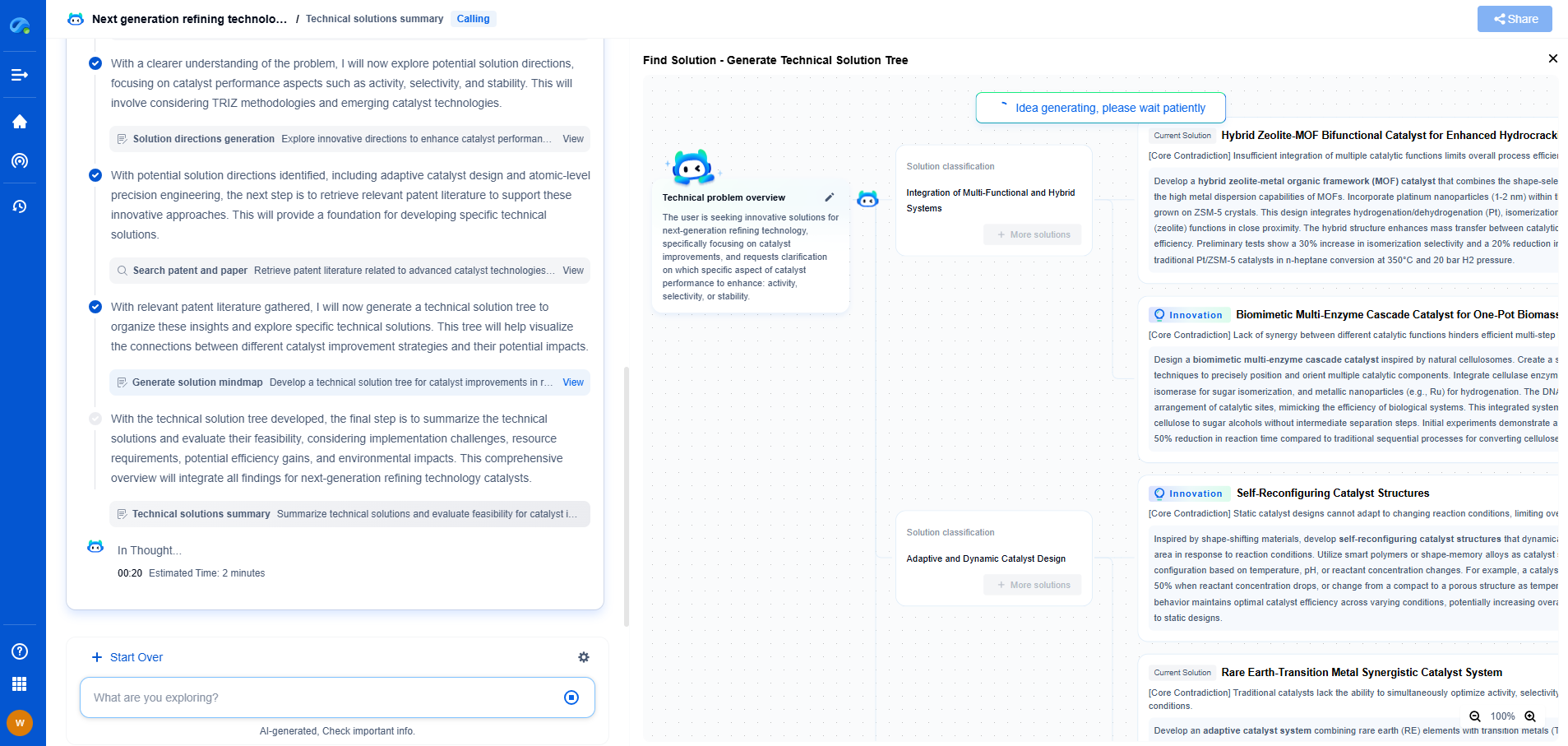
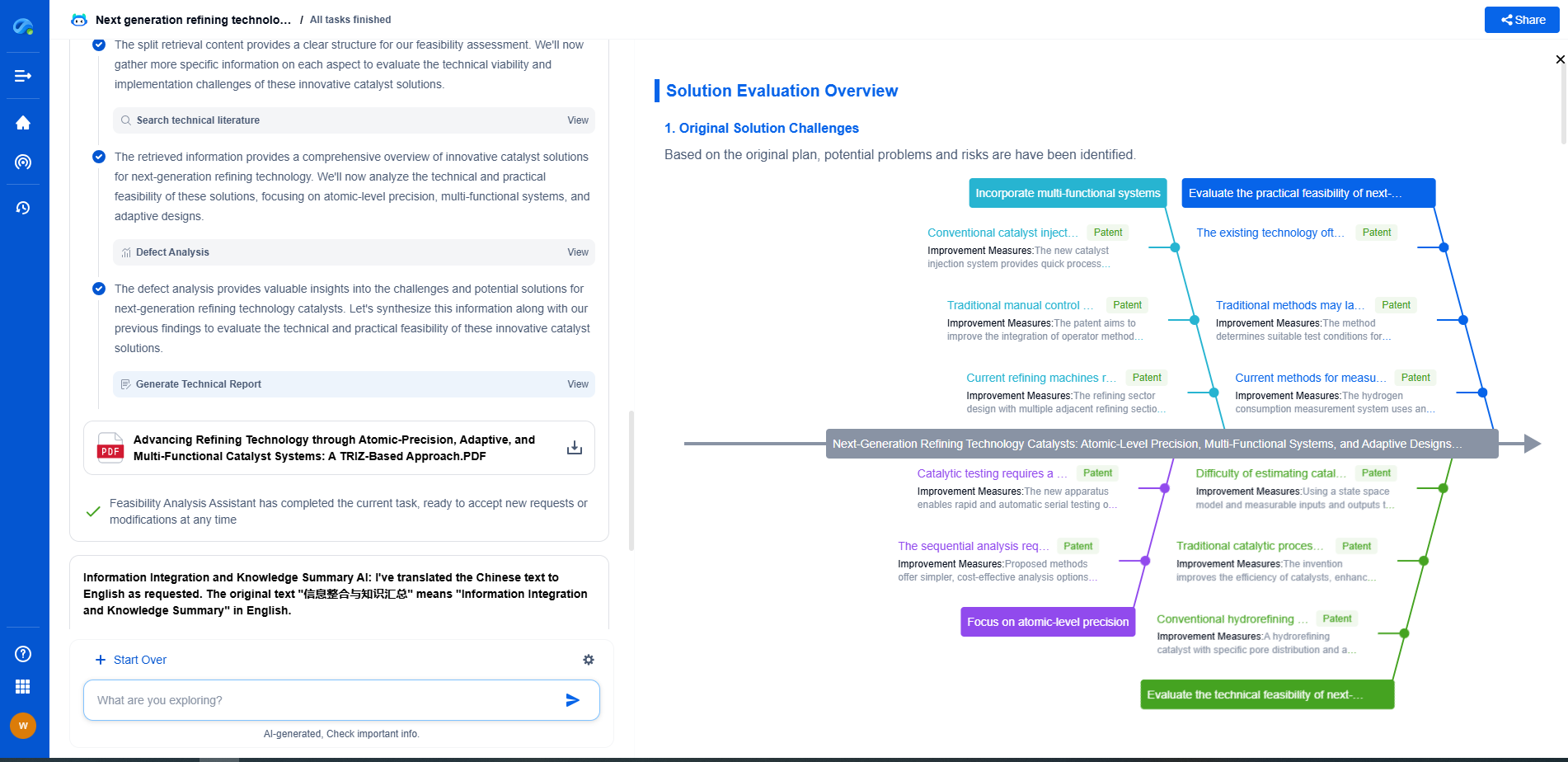
Patsnap Eureka, our intelligent AI assistant built for R&D professionals in high-tech sectors, empowers you with real-time expert-level analysis, technology roadmap exploration, and strategic mapping of core patents—all within a seamless, user-friendly interface.
👉 Join the new era of semiconductor R&D. Try Patsnap Eureka today and experience the future of innovation intelligence.