Cloud-Native Signaling in Open RAN Architectures
JUL 7, 2025 |
The telecommunications industry is undergoing a significant transformation with the advent of Open Radio Access Network (Open RAN) architectures. This paradigm shift aims to promote interoperability, innovation, and flexibility by decoupling hardware and software components in the RAN. At the core of this transformation lies cloud-native signaling, a concept that enhances the deployment and management of network functions. In this blog, we explore the intricacies of cloud-native signaling within Open RAN architectures, shedding light on its benefits, challenges, and future prospects.
Understanding Open RAN
Open RAN is a movement within the telecommunications sector that seeks to create more open and flexible RAN architectures by disaggregating hardware and software components. Traditional RAN systems are often proprietary, making integration with other vendors' products difficult. Open RAN addresses this issue by promoting interoperability and allowing operators to mix and match components from different vendors. This open ecosystem fosters competition, drives innovation, and reduces deployment costs.
The Role of Cloud-Native Signaling
Cloud-native signaling plays a crucial role in enabling the flexibility and scalability of Open RAN architectures. It refers to the design and deployment of network functions as microservices within cloud environments. This approach leverages the principles of cloud computing, such as scalability, resilience, and automation, to optimize network operations.
One of the key advantages of cloud-native signaling is its ability to scale dynamically based on network demands. By deploying signaling functions as microservices, operators can allocate resources more efficiently, ensuring that network capacity can be adjusted in real-time to accommodate fluctuating traffic levels. This capability not only enhances performance but also improves the cost-effectiveness of network operations.
Benefits of Cloud-Native Signaling in Open RAN
1. Agility and Flexibility: Cloud-native architectures allow operators to rapidly deploy and update signaling functions, enabling quicker adaptation to changing network conditions and user demands. This agility is particularly crucial in today's fast-paced technological landscape.
2. Resource Optimization: By utilizing cloud-native principles, Open RAN architectures can achieve better resource utilization. Microservices can be independently scaled, allocated, or decommissioned based on real-time needs, ensuring optimal use of network resources.
3. Enhanced Reliability: Cloud-native signaling improves network resilience by enabling seamless failover and load balancing. If a signaling component fails, other instances can automatically take over, minimizing service disruptions and ensuring continuous network operation.
4. Reduced Costs: By breaking away from proprietary systems and leveraging cloud-based infrastructure, operators can significantly reduce capital and operational expenditures. This cost efficiency is a driving factor for many operators considering the transition to Open RAN.
Challenges in Implementing Cloud-Native Signaling
Despite its numerous advantages, the implementation of cloud-native signaling in Open RAN architectures presents several challenges:
1. Complexity: Transitioning to a cloud-native architecture requires significant changes in network design and management. Operators must invest in new tools, skills, and processes to effectively manage microservices-based systems.
2. Security Concerns: The distributed nature of cloud-native architectures introduces new security challenges. Protecting signaling data and ensuring the integrity of microservices requires robust security measures and continuous monitoring.
3. Interoperability Issues: While Open RAN promotes interoperability, achieving seamless integration between components from different vendors remains a challenge. Standardization efforts are underway, but operators must carefully select compatible solutions to avoid potential interoperability issues.
Future Prospects of Cloud-Native Signaling in Open RAN
The future of cloud-native signaling in Open RAN architectures is promising, with ongoing developments aimed at addressing current challenges and unlocking new opportunities. As the industry moves towards 5G and beyond, the demand for flexible, efficient, and scalable networks will only grow.
Collaborative efforts between industry stakeholders, including network operators, equipment vendors, and standards organizations, are essential to drive the adoption of cloud-native signaling. By establishing common standards and best practices, the industry can ensure seamless integration and interoperability across diverse Open RAN deployments.
Conclusion
Cloud-native signaling represents a pivotal advancement in the evolution of Open RAN architectures. By embracing cloud-native principles, operators can achieve greater agility, scalability, and cost-efficiency, ultimately enhancing the performance and reliability of their networks. While challenges remain, the collaborative efforts of the telecommunications ecosystem hold the promise of a more open and innovative future. As these architectures mature, cloud-native signaling will undoubtedly play a crucial role in shaping the networks of tomorrow.
Empower Your Wireless Innovation with Patsnap Eureka
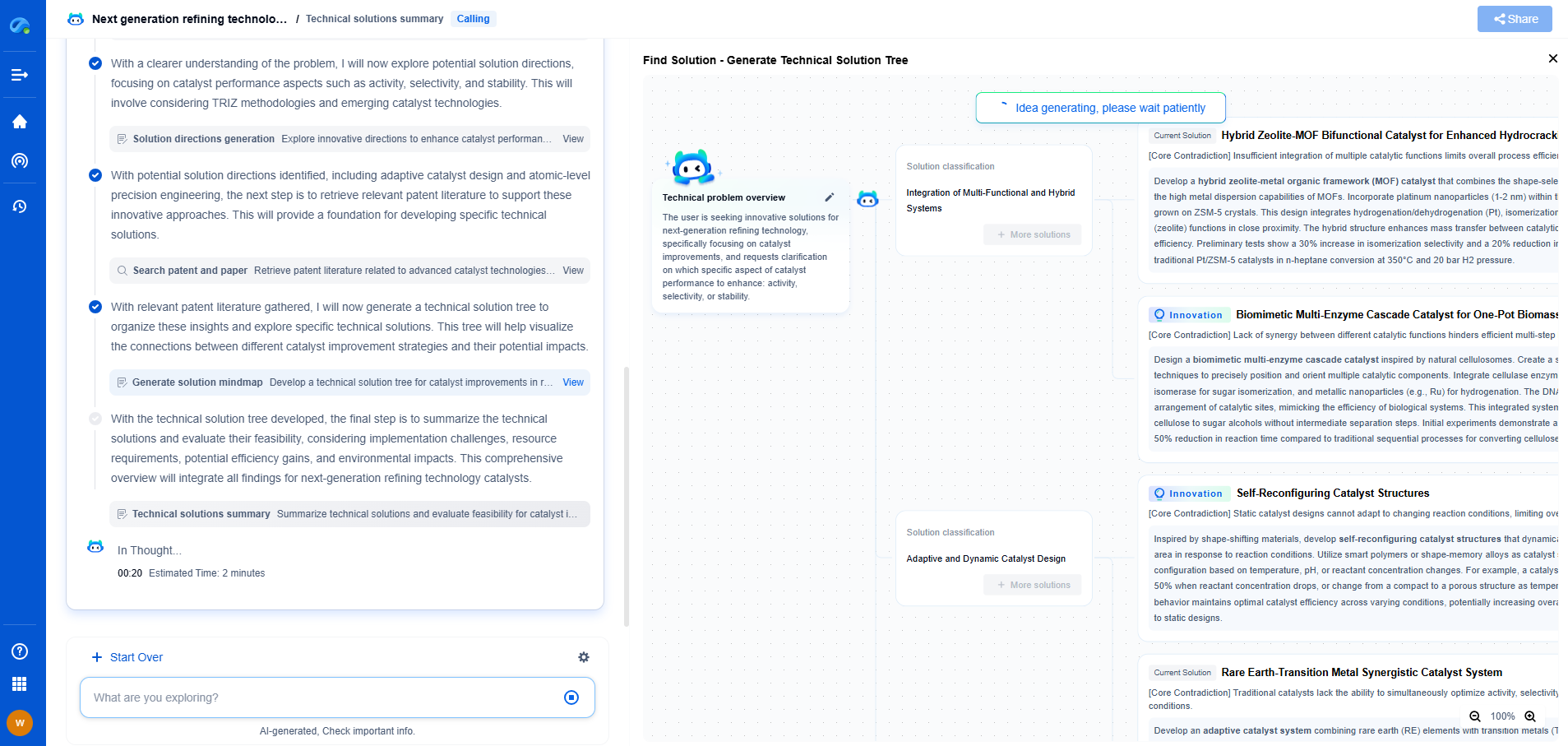
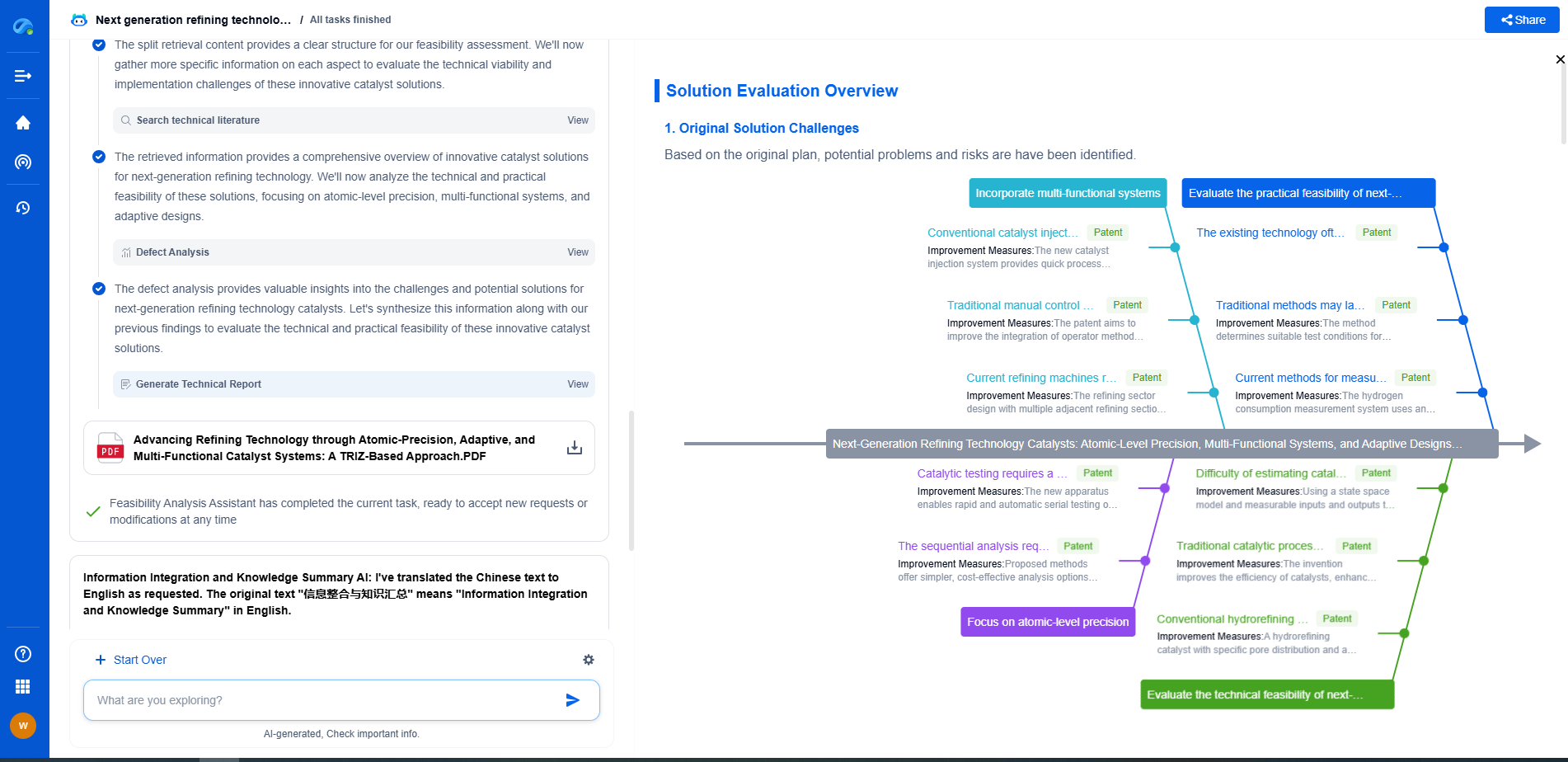
From 5G NR slicing to AI-driven RRM, today’s wireless communication networks are defined by unprecedented complexity and innovation velocity. Whether you’re optimizing handover reliability in ultra-dense networks, exploring mmWave propagation challenges, or analyzing patents for O-RAN interfaces, speed and precision in your R&D and IP workflows are more critical than ever.
Patsnap Eureka, our intelligent AI assistant built for R&D professionals in high-tech sectors, empowers you with real-time expert-level analysis, technology roadmap exploration, and strategic mapping of core patents—all within a seamless, user-friendly interface.
Whether you work in network architecture, protocol design, antenna systems, or spectrum engineering, Patsnap Eureka brings you the intelligence to make faster decisions, uncover novel ideas, and protect what’s next.
🚀 Try Patsnap Eureka today and see how it accelerates wireless communication R&D—one intelligent insight at a time.