Common Causes of Breakdown in High-Voltage EM Components
JUN 26, 2025 |
High-voltage electromagnetic (EM) components are at the heart of countless applications, from industrial machinery to advanced transportation systems. These components are designed to handle significant electrical stress while maintaining operational integrity. However, despite their robust design, they are not immune to breakdowns. Understanding the common causes of such failures is crucial for engineers and technicians who strive to ensure the reliability and longevity of these vital components.
Thermal Stress and Overheating
One of the most prevalent causes of breakdown in high-voltage EM components is thermal stress. When components operate under high voltage, they inevitably generate heat. If this heat is not adequately dissipated, it can lead to overheating, which in turn causes degradation of materials and insulation. Over time, the thermal expansion and contraction of materials can lead to micro-cracks, weakening the structural integrity of the components. Ensuring proper cooling systems and designing components with materials that have high thermal tolerance can mitigate this issue.
Electrical Overloads and Surges
Electrical overloads and surges pose a significant threat to high-voltage components. These events can occur due to sudden spikes in demand or external factors such as lightning strikes. The excess current flow can result in immediate damage or gradually wear down the component's internal structures. To protect against such occurrences, integrating surge protection devices, fuses, and circuit breakers is essential. Regular monitoring and maintenance can also help in early detection of any potential overload issues.
Insulation Degradation
Insulation is critical in maintaining the functionality of high-voltage EM components by preventing unintended current flow and reducing the risk of short circuits. Over time, insulation materials can degrade due to exposure to high temperatures, moisture, and chemical contaminants. This degradation increases the likelihood of electrical faults and breakdowns. Using high-quality insulation materials and conducting regular inspections to detect signs of wear and tear can help prevent insulation-related failures.
Mechanical Stress and Vibration
High-voltage components are often subjected to mechanical stress and vibrations, especially in applications involving rotating machinery or transportation systems. Continuous mechanical stress can lead to fatigue and eventual failure of the component parts. Additionally, vibrations can loosen connections and exacerbate wear and tear. To address these challenges, robust mechanical design, precise alignment, and the use of shock-absorbing materials are recommended. Periodic maintenance checks to tighten connections and assess mechanical integrity also play a vital role in prevention.
Environmental Factors
Environmental conditions can significantly influence the performance and durability of high-voltage EM components. Factors such as humidity, dust, and temperature extremes can accelerate the breakdown process. For instance, moisture can cause corrosion and electrical tracking, while dust can lead to surface contamination and insulation failures. Implementing protective enclosures, sealing components, and ensuring proper ventilation can reduce the impact of adverse environmental conditions.
Material Defects and Manufacturing Flaws
Occasionally, breakdowns can be traced back to material defects or flaws introduced during the manufacturing process. These defects may not be immediately apparent but can lead to premature failures under operational stress. Employing stringent quality control measures, thorough testing, and using reliable suppliers can minimize the risk of incorporating defective components into a system.
Aging and Wear
Finally, like all mechanical and electrical systems, high-voltage EM components are subject to aging and wear. Over time, even well-designed components will experience a decline in performance due to material fatigue and cumulative stresses. Predictive maintenance strategies, such as condition monitoring and lifecycle analysis, can help identify components nearing the end of their operational life, allowing for timely replacement before failure occurs.
Conclusion
Understanding the common causes of breakdown in high-voltage EM components is vital for maintaining system reliability and performance. By addressing thermal and electrical stresses, protecting against environmental factors, and implementing rigorous maintenance protocols, engineers can significantly reduce the incidence of component failures, ensuring the continued safe and efficient operation of high-voltage systems.
Empower Electromagnetic Innovation with Patsnap Eureka
From high-frequency antenna arrays and electromagnetic shielding to plasma propulsion and wave-based energy transfer, the electromagnetic domain sits at the core of next-generation technologies. Yet navigating its vast landscape of patents, research papers, and evolving technical standards can be time-consuming and complex.
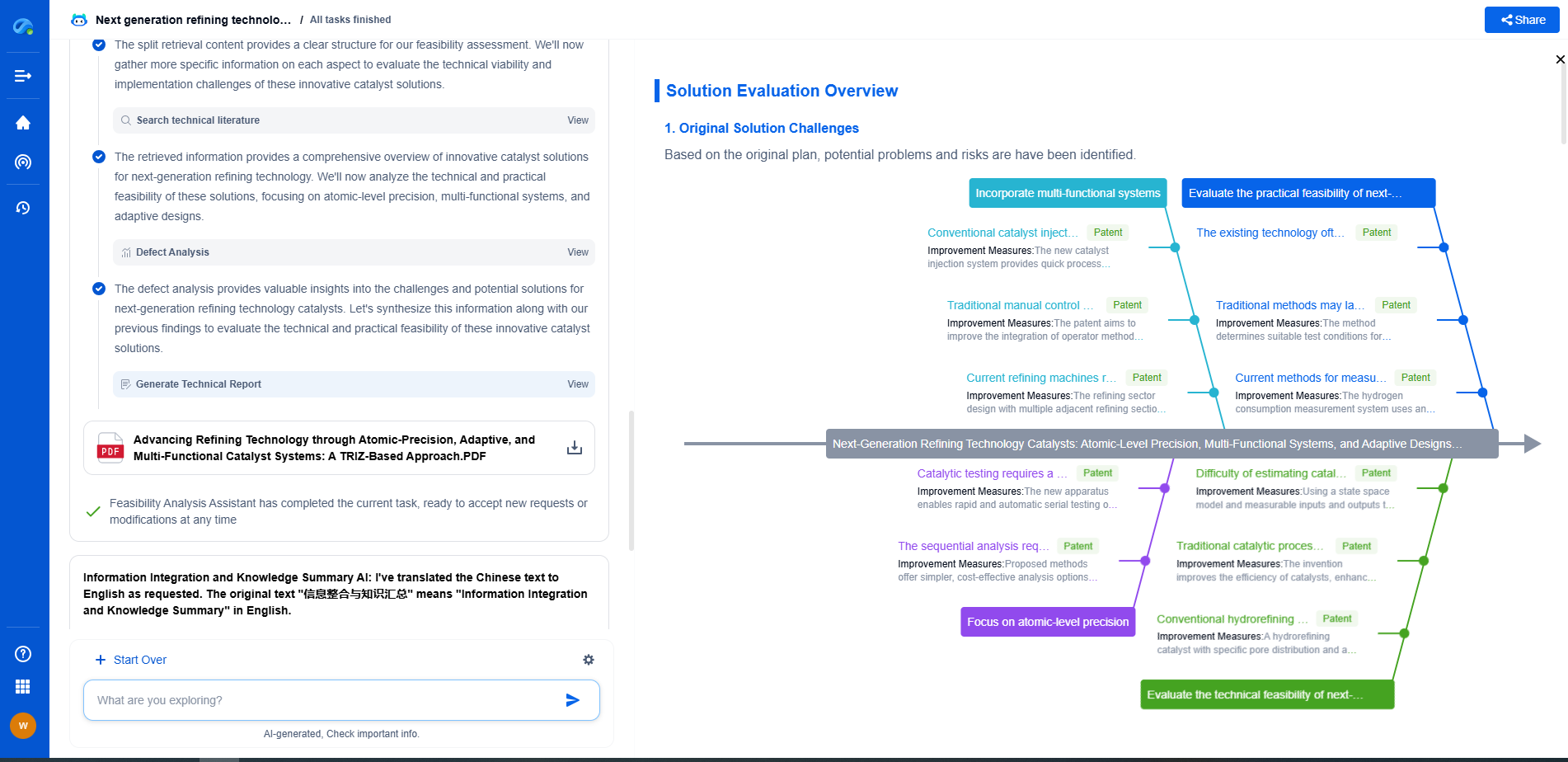
Patsnap Eureka, our intelligent AI assistant built for R&D professionals in high-tech sectors, empowers you with real-time expert-level analysis, technology roadmap exploration, and strategic mapping of core patents—all within a seamless, user-friendly interface.
👉 Experience Patsnap Eureka today and transform how your team navigates the complexity of electromagnetic innovation.