Debugging UE Location Tracking Issues
JUL 7, 2025 |
Location tracking in User Equipment (UE) is a pivotal component in wireless communication systems, allowing for enhanced service delivery, seamless handovers, and improved user experience. However, location tracking can sometimes face issues, impacting overall network performance and service reliability. In this blog, we will delve into the common challenges associated with UE location tracking and provide insights into how to effectively debug these issues.
Identifying Common Location Tracking Problems
Before we can resolve UE location tracking issues, it's crucial to identify them correctly. Some typical problems include inaccurate location data, loss of tracking, high latency in location updates, and erroneous handovers due to location errors. These issues can arise from various causes such as hardware malfunctions, software bugs, network congestion, or interference.
Analyzing Hardware and Software Factors
Hardware problems, like malfunctioning GPS modules or sensors, can severely impact location accuracy. Similarly, outdated or buggy software can introduce errors in location data processing. Ensuring that the UE's hardware components are functioning correctly and regularly updating software to the latest version can mitigate these issues.
Network Conditions and Their Impact
The network environment plays a significant role in UE location tracking. Factors such as signal strength, network congestion, and interference can lead to delays or inaccuracies in tracking. Conducting regular network assessments can help identify areas with poor coverage or high interference, allowing for targeted optimization efforts.
Debugging Techniques for Location Tracking
Effective debugging of UE location tracking issues involves a systematic approach to isolate and resolve the underlying causes. Here are some techniques:
1. **Log Analysis**: Examining system logs can provide detailed insights into where location tracking errors are occurring. Logs can reveal patterns or specific events leading to tracking issues.
2. **Simulation and Testing**: Simulating different network conditions and testing UE behavior can help understand how various factors impact location tracking. This method is useful for identifying potential issues that may not be evident in real-world scenarios.
3. **Integration Checks**: Ensuring that all integrated systems, such as GPS, Wi-Fi, and cellular networks, are correctly configured and communicating can prevent tracking errors.
4. **Software Debugging Tools**: Utilizing debugging tools to step through code can help identify software bugs that affect location accuracy.
Improving Location Tracking Performance
Once the issues have been identified and resolved, it’s essential to focus on improving overall location tracking performance. This can be achieved by optimizing algorithms for faster processing, enhancing sensor accuracy, and implementing robust error correction methods.
Monitoring and Continuous Improvement
Location tracking is an ongoing process that requires continuous monitoring and improvements. Implementing automated monitoring systems can help identify issues in real-time and allow for quick corrective actions. Regular updates and optimizations based on data analytics can lead to sustained improvements in location tracking.
Conclusion
Debugging UE location tracking issues requires a methodical approach that encompasses hardware, software, and network conditions. By identifying the root causes of tracking problems and employing effective troubleshooting techniques, we can enhance location accuracy and reliability. Continuous monitoring and iterative improvements ensure that UE location tracking remains robust and efficient, contributing to a superior user experience and streamlined network operations.
Empower Your Wireless Innovation with Patsnap Eureka
From 5G NR slicing to AI-driven RRM, today’s wireless communication networks are defined by unprecedented complexity and innovation velocity. Whether you’re optimizing handover reliability in ultra-dense networks, exploring mmWave propagation challenges, or analyzing patents for O-RAN interfaces, speed and precision in your R&D and IP workflows are more critical than ever.
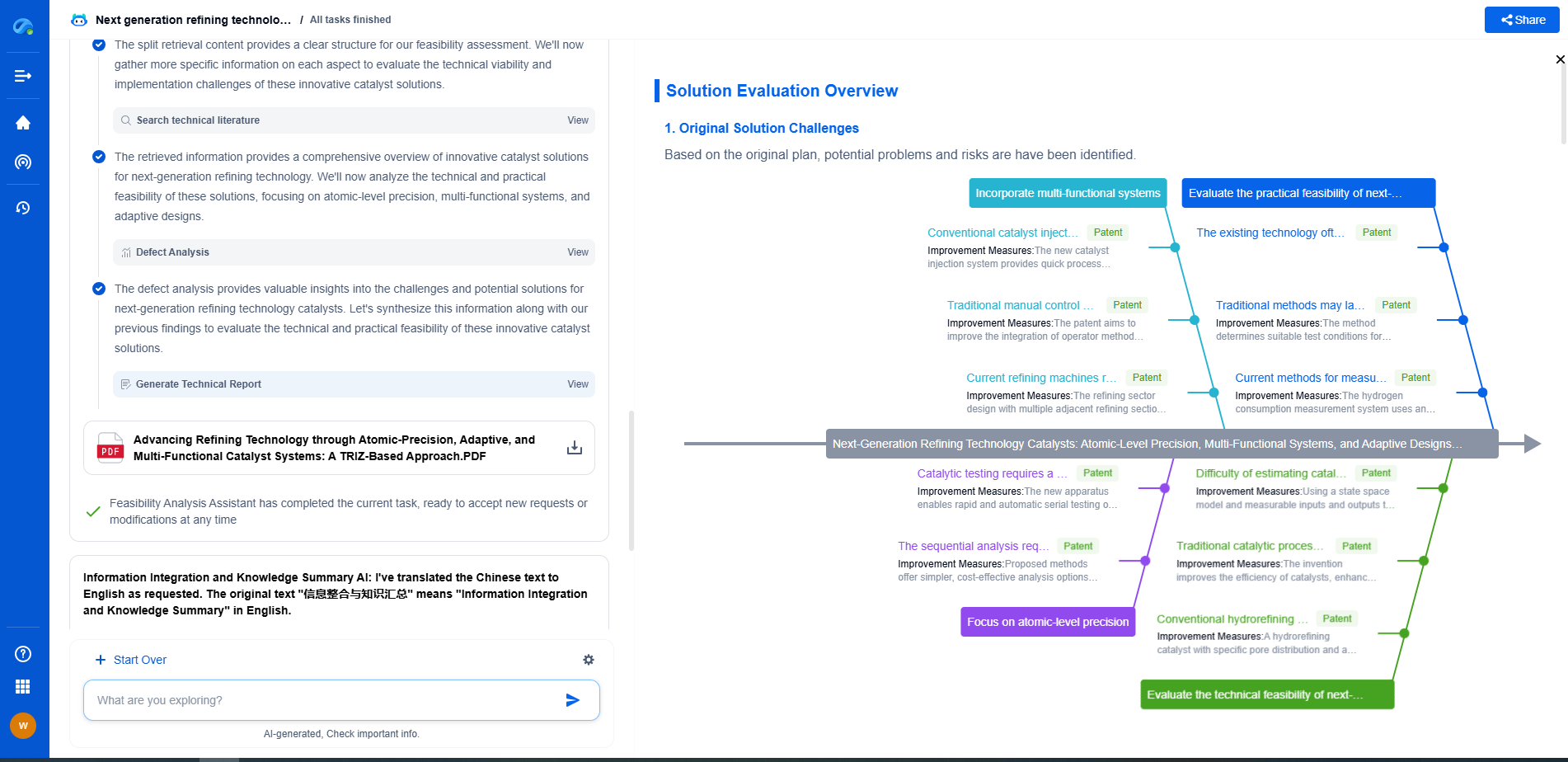
Patsnap Eureka, our intelligent AI assistant built for R&D professionals in high-tech sectors, empowers you with real-time expert-level analysis, technology roadmap exploration, and strategic mapping of core patents—all within a seamless, user-friendly interface.
Whether you work in network architecture, protocol design, antenna systems, or spectrum engineering, Patsnap Eureka brings you the intelligence to make faster decisions, uncover novel ideas, and protect what’s next.
🚀 Try Patsnap Eureka today and see how it accelerates wireless communication R&D—one intelligent insight at a time.