Energy Efficiency in Dense Small Cell Deployments
JUL 7, 2025 |
Understanding Small Cell Deployments
Small cells are low-power cellular radio access nodes that operate in licensed and unlicensed spectrum and have a range of a few meters to several hundred meters. They are smaller than traditional macrocells and are typically used to improve indoor and outdoor coverage, capacity, and data speeds. Small cells are instrumental in providing seamless connectivity in areas with high user density, such as city centers, stadiums, and shopping malls.
The Challenge of Energy Consumption
While small cell deployments offer numerous benefits, they also pose significant challenges in terms of energy consumption. Unlike macrocells, which are fewer in number and strategically placed, small cells are deployed in high densities, leading to increased power requirements. This proliferation raises concerns about the environmental impact and operational costs for network operators. Thus, improving energy efficiency becomes a priority in dense small cell networks.
Strategies for Enhancing Energy Efficiency
1. Advanced Sleep Modes
One of the most effective ways to reduce energy consumption in small cells is by implementing advanced sleep modes. These modes allow cells to power down or enter a low-energy state during periods of low traffic demand. Incorporating intelligent algorithms and real-time data analytics, small cells can dynamically adjust their operational states, conserving energy without compromising service quality.
2. Load-Aware Resource Management
Efficient resource management is another key aspect of enhancing energy efficiency. Load-aware algorithms can balance the network load across available small cells, ensuring that resources are used optimally. By distributing traffic more evenly, the network can avoid overloading individual cells, thereby reducing the need for excessive power consumption.
3. Renewable Energy Integration
Integrating renewable energy sources into small cell deployments presents an opportunity to significantly reduce reliance on traditional power grids. Solar panels and wind turbines can provide sustainable energy to power small cells, especially in areas with abundant natural resources. This not only lowers operational costs but also contributes to reducing the carbon footprint of mobile networks.
4. Efficient Hardware Design
Advancements in hardware design can also play a crucial role in energy efficiency. Utilizing energy-efficient components, such as low-power processors and high-efficiency power amplifiers, can drastically cut down the energy requirements of small cells. Moreover, optimizing the physical layout and cooling systems further enhances energy savings.
5. Network Optimization and AI
Artificial Intelligence (AI) and machine learning models can be employed to optimize network performance and energy usage. Through predictive analytics, these technologies can forecast traffic patterns and adjust network parameters in real-time to minimize energy wastage. AI-driven energy management systems can make smart decisions that align with both user demands and energy-saving goals.
The Role of Policy and Regulation
Government policies and regulations play a significant role in promoting energy efficiency in small cell deployments. Setting standards for energy-efficient network equipment and encouraging the adoption of green technologies can incentivize network operators to invest in sustainable practices. Collaboration between industry stakeholders and regulatory bodies is essential to create a supportive environment for energy-efficient innovations.
Conclusion
As the demand for mobile data continues to rise, the deployment of small cells will only become more prevalent. While these networks offer the promise of improved connectivity, their energy consumption must be managed carefully to prevent unsustainable growth. By leveraging advanced technologies, efficient resource management, and renewable energy sources, network operators can achieve significant energy efficiency gains in dense small cell deployments. Ultimately, these efforts will lead to a more sustainable and environmentally-friendly telecommunications landscape, benefiting both service providers and consumers.
Empower Your Wireless Innovation with Patsnap Eureka
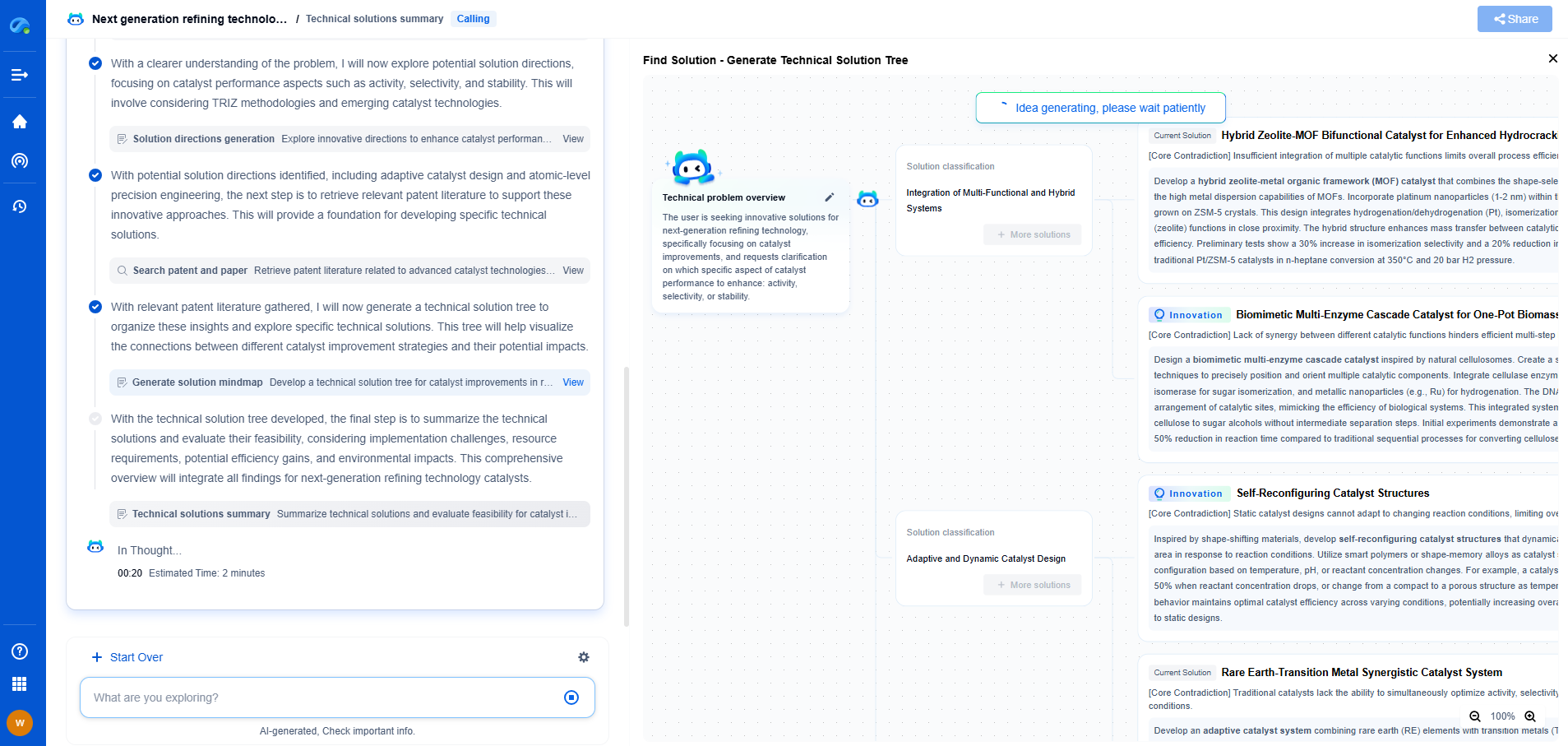
From 5G NR slicing to AI-driven RRM, today’s wireless communication networks are defined by unprecedented complexity and innovation velocity. Whether you’re optimizing handover reliability in ultra-dense networks, exploring mmWave propagation challenges, or analyzing patents for O-RAN interfaces, speed and precision in your R&D and IP workflows are more critical than ever.
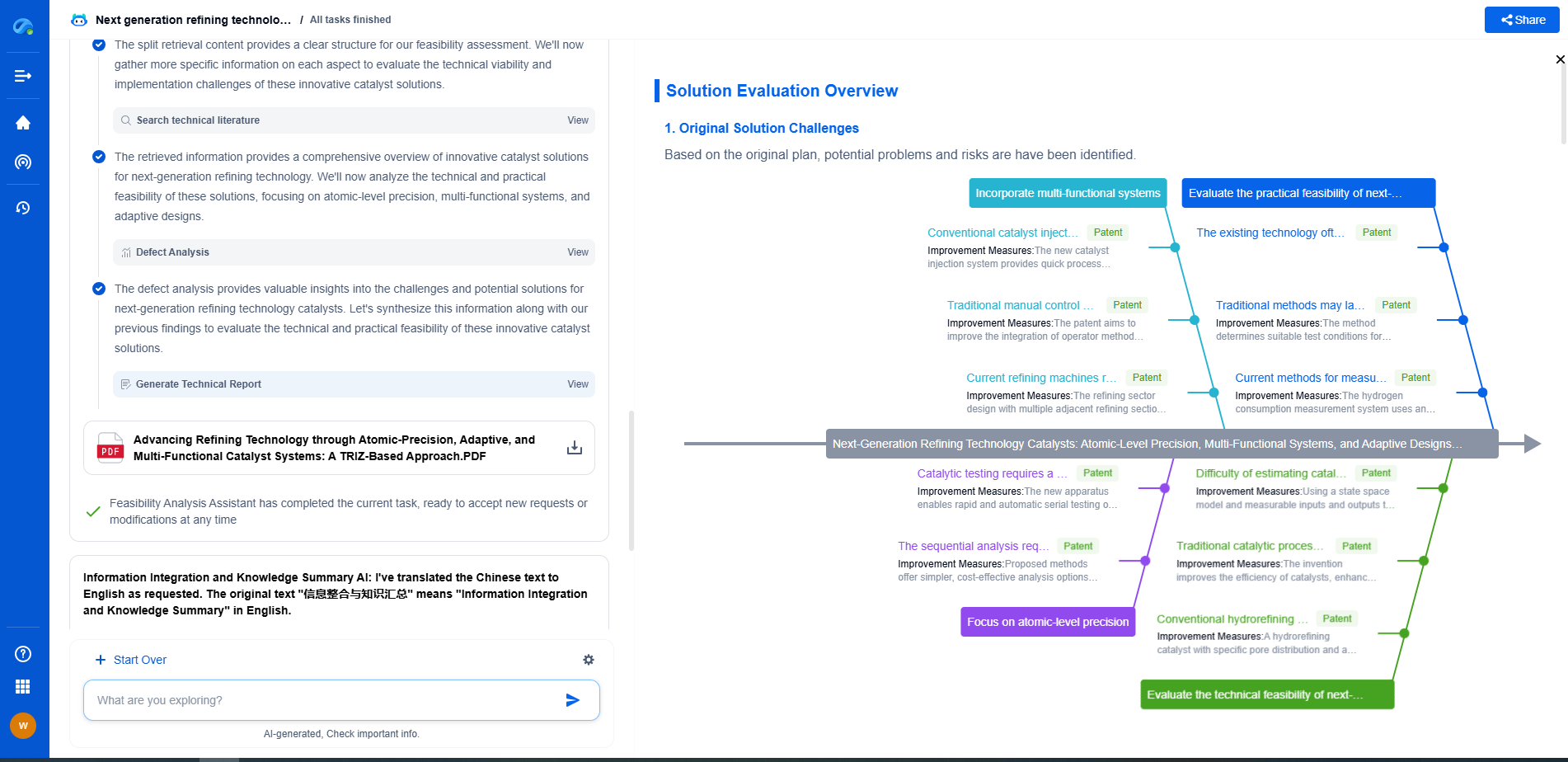
Patsnap Eureka, our intelligent AI assistant built for R&D professionals in high-tech sectors, empowers you with real-time expert-level analysis, technology roadmap exploration, and strategic mapping of core patents—all within a seamless, user-friendly interface.
Whether you work in network architecture, protocol design, antenna systems, or spectrum engineering, Patsnap Eureka brings you the intelligence to make faster decisions, uncover novel ideas, and protect what’s next.
🚀 Try Patsnap Eureka today and see how it accelerates wireless communication R&D—one intelligent insight at a time.