Ensuring Interference Compliance in Dense Urban Environments
JUL 7, 2025 |
In today's world, urban centers are becoming increasingly packed with a multitude of wireless devices, all vying for signal space. From smartphones and tablets to IoT devices and smart city infrastructure, the density of wireless communication in urban environments is at an all-time high. This congestion often leads to interference, which can significantly degrade performance and reliability in wireless networks.
The Challenge of Signal Congestion
The primary cause of interference in these dense environments is the congestion of radio frequencies. With limited spectrum available, multiple devices often operate on overlapping frequencies, leading to a competition for bandwidth. This not only results in slower data speeds and dropped connections but also poses a significant challenge to maintaining the quality of service in critical applications.
Strategies for Mitigating Interference
1. Frequency Planning and Management
Effective frequency planning is crucial in managing interference. By strategically assigning frequency channels to different services and devices, the potential for overlap can be minimized. This involves analyzing the spectrum usage and ensuring that devices operate on optimal frequencies to reduce congestion and interference.
2. Advanced Antenna Technologies
Utilizing advanced antenna technologies, such as beamforming and MIMO (multiple-input and multiple-output), can significantly enhance signal quality and reduce interference. These technologies allow for more focused transmission of signals, minimizing the impact on other devices and improving the overall efficiency of wireless networks.
3. Implementing Smart Infrastructure
Smart city infrastructure can play a vital role in managing interference. By integrating intelligent systems that can dynamically allocate resources and adapt to changing environments, interference can be minimized. This includes technologies such as dynamic spectrum access, which allows for real-time adjustments in frequency usage based on current demand and conditions.
4. Regulatory Compliance
Regulatory bodies play a crucial role in ensuring interference compliance. Adhering to regulations regarding spectrum allocation and usage is essential to prevent interference issues. It is important for stakeholders, including service providers and device manufacturers, to stay updated on regulatory changes and ensure that their operations align with established guidelines.
The Role of Collaboration and Innovation
1. Industry Collaboration
Collaboration among different stakeholders, including government agencies, service providers, and technology companies, is essential to address interference challenges effectively. By working together, these entities can develop standardized solutions and best practices to mitigate interference and ensure seamless communication in dense urban areas.
2. Embracing Technological Innovations
Technological advancements are continuously shaping the way we manage interference. Innovations in areas such as artificial intelligence, machine learning, and edge computing hold promise for more efficient interference management. By leveraging these technologies, it is possible to predict interference patterns, optimize network performance, and enhance overall connectivity in urban environments.
Ensuring a Seamless Future
As urban environments continue to grow in complexity and density, the challenge of managing interference will remain prominent. However, by adopting a proactive approach that combines effective frequency management, advanced technologies, regulatory compliance, collaboration, and innovation, it is possible to ensure that urban areas remain connected, efficient, and resilient. Through these efforts, we can pave the way for a future where interference is no longer a barrier to progress, but rather a challenge that we are well-equipped to overcome.
Empower Your Wireless Innovation with Patsnap Eureka
From 5G NR slicing to AI-driven RRM, today’s wireless communication networks are defined by unprecedented complexity and innovation velocity. Whether you’re optimizing handover reliability in ultra-dense networks, exploring mmWave propagation challenges, or analyzing patents for O-RAN interfaces, speed and precision in your R&D and IP workflows are more critical than ever.
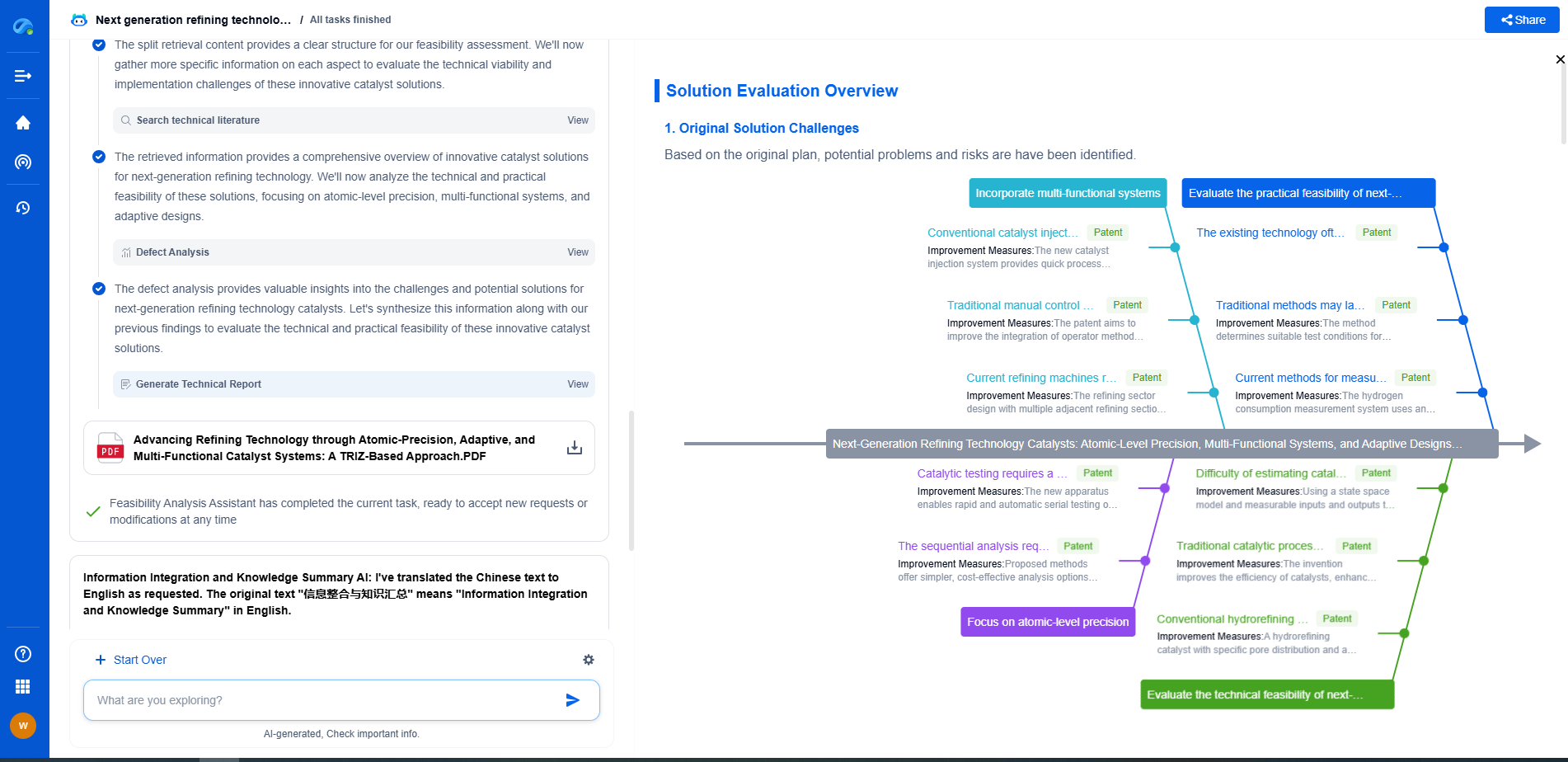
Patsnap Eureka, our intelligent AI assistant built for R&D professionals in high-tech sectors, empowers you with real-time expert-level analysis, technology roadmap exploration, and strategic mapping of core patents—all within a seamless, user-friendly interface.
Whether you work in network architecture, protocol design, antenna systems, or spectrum engineering, Patsnap Eureka brings you the intelligence to make faster decisions, uncover novel ideas, and protect what’s next.
🚀 Try Patsnap Eureka today and see how it accelerates wireless communication R&D—one intelligent insight at a time.