How 3GPP Standards Handle Spectrum Sharing Between Operators
JUL 7, 2025 |
Spectrum sharing is a crucial aspect of modern telecommunications, as it enables operators to optimize the use of available frequencies. With the proliferation of mobile devices and the surge in data demands, efficient spectrum management is more essential than ever. The 3rd Generation Partnership Project (3GPP) develops global standards for mobile networks and has devised several mechanisms to facilitate spectrum sharing between operators. This article explores how 3GPP standards address this critical issue.
The Importance of Spectrum Sharing
Spectrum is a finite resource, and its efficient use is fundamental to sustaining the growth of wireless communication services. Spectrum sharing allows multiple operators to utilize the same frequency bands without causing harmful interference, ensuring that the spectrum is used to its fullest potential. This not only benefits operators by reducing costs and improving service quality but also enhances consumer experiences by providing robust network performance.
3GPP's Role in Spectrum Management
As a leading standardization body for mobile networks, 3GPP plays a pivotal role in developing protocols and specifications that enable spectrum sharing. By establishing standardized frameworks and guidelines, 3GPP ensures that operators can coexist peacefully and efficiently on shared spectrum bands. These standards help maintain harmony in the telecommunications ecosystem and prevent chaotic frequency interference.
Licensed Shared Access (LSA)
One of the key initiatives by 3GPP for spectrum sharing is the Licensed Shared Access (LSA) framework. LSA allows multiple operators to share licensed spectrum bands in a controlled manner. Under the LSA, spectrum holders grant temporary access to their spectrum to other operators based on predefined conditions. This ensures that the spectrum is used efficiently while protecting the primary licensee's rights. LSA provides a structured approach to spectrum sharing, minimizing interference and maximizing spectrum use.
Dynamic Spectrum Sharing (DSS)
Dynamic Spectrum Sharing (DSS) is another innovative concept introduced by 3GPP. DSS allows operators to dynamically allocate spectrum resources between different technologies, such as 4G and 5G, within the same frequency band. This real-time allocation ensures that spectrum resources are utilized optimally based on current network demands. DSS is particularly beneficial for the smooth transition from 4G to 5G, as it allows operators to leverage existing infrastructure while deploying new technologies.
Coexistence Techniques and Interference Management
Effective coexistence is crucial for successful spectrum sharing. 3GPP standards provide several techniques and tools to manage interference and ensure harmonious coexistence among operators. These include advanced interference detection and mitigation techniques, power control mechanisms, and the implementation of guard bands. By employing these strategies, operators can maintain high-quality services even while sharing spectrum resources.
Future Developments and Challenges
As mobile technology continues to evolve, the demand for spectrum will only increase. 3GPP is actively working on future standards to address this growing need for effective spectrum management. Innovations such as network slicing and further advancements in cognitive radio technologies are likely to play a significant role in future spectrum sharing practices. However, challenges remain, including regulatory hurdles, technological complexities, and the need for global harmonization of spectrum policies.
Conclusion
Spectrum sharing is a vital component of modern telecommunications, essential for meeting the ever-growing demand for wireless services. Through initiatives like Licensed Shared Access and Dynamic Spectrum Sharing, 3GPP standards provide a comprehensive framework for efficient spectrum sharing between operators. By fostering cooperation and technological innovation, these standards ensure that spectrum resources are used effectively, benefiting operators and consumers alike. As the telecommunications landscape continues to evolve, 3GPP's role in facilitating spectrum sharing will remain crucial in achieving an interconnected and efficient wireless world.
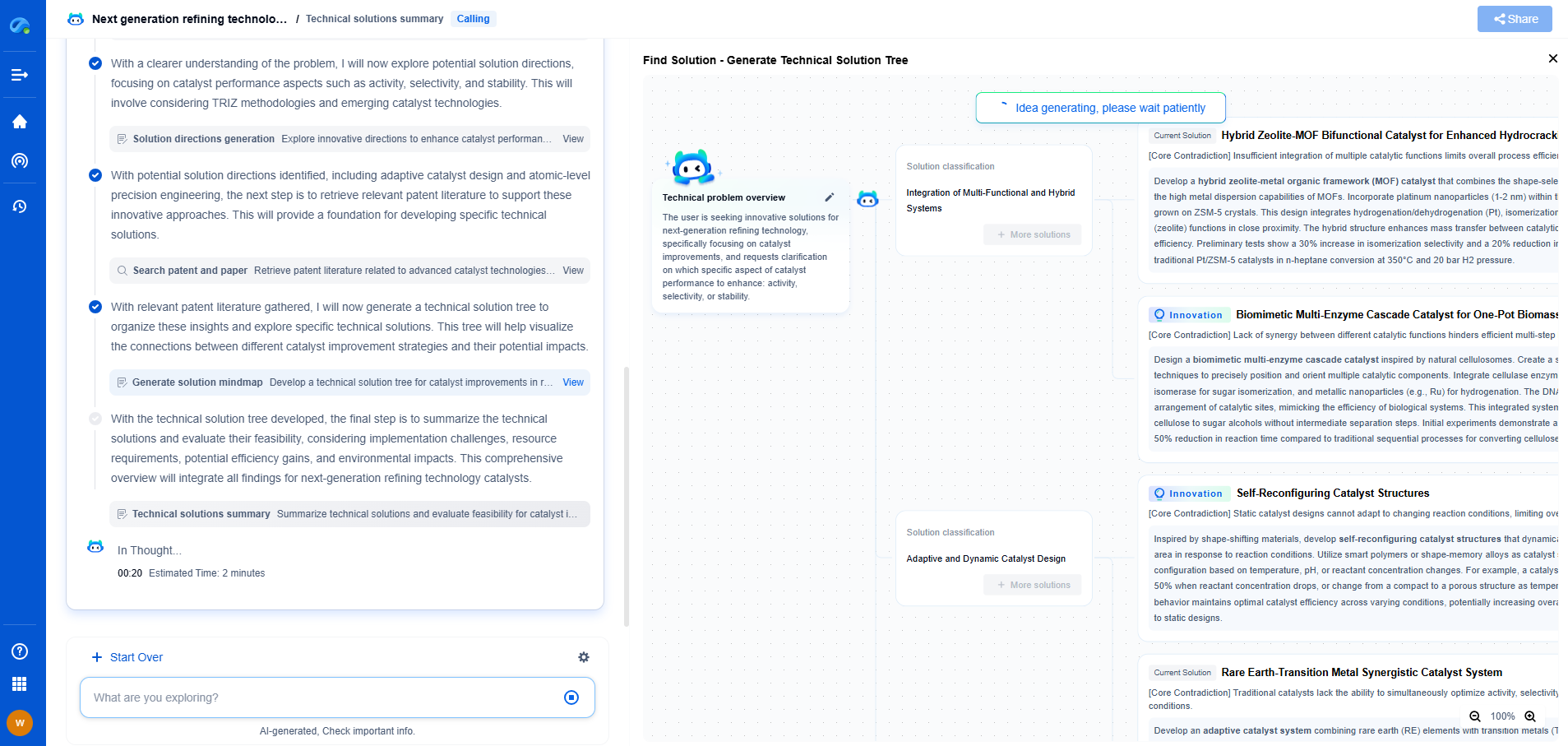
Empower Your Wireless Innovation with Patsnap Eureka
From 5G NR slicing to AI-driven RRM, today’s wireless communication networks are defined by unprecedented complexity and innovation velocity. Whether you’re optimizing handover reliability in ultra-dense networks, exploring mmWave propagation challenges, or analyzing patents for O-RAN interfaces, speed and precision in your R&D and IP workflows are more critical than ever.
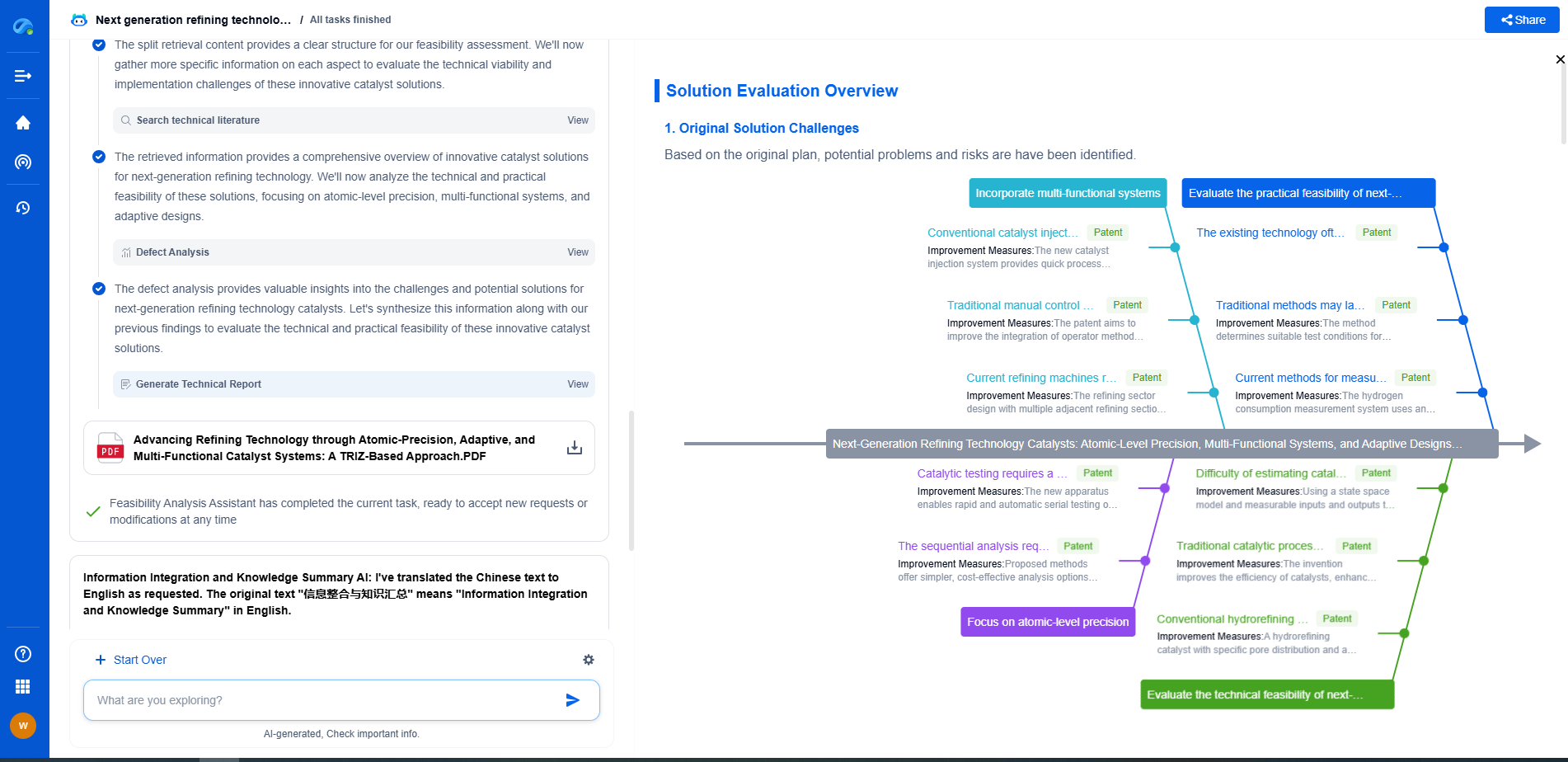
Patsnap Eureka, our intelligent AI assistant built for R&D professionals in high-tech sectors, empowers you with real-time expert-level analysis, technology roadmap exploration, and strategic mapping of core patents—all within a seamless, user-friendly interface.
Whether you work in network architecture, protocol design, antenna systems, or spectrum engineering, Patsnap Eureka brings you the intelligence to make faster decisions, uncover novel ideas, and protect what’s next.
🚀 Try Patsnap Eureka today and see how it accelerates wireless communication R&D—one intelligent insight at a time.