How Communication Standards Drive Interoperability in Modern Networks
JUN 27, 2025 |
In the dynamic world of modern networking, communication standards serve as the backbone of interoperability. These standards are established protocols or specifications that ensure various network systems, devices, and applications can communicate effectively and seamlessly with one another. Without them, the digital landscape would be fragmented, with isolated systems unable to exchange information smoothly.
The Role of Interoperability in Networking
Interoperability refers to the ability of different systems and organizations to work together. In networking, it ensures that devices, protocols, and applications can communicate and operate effectively with each other without the need for extensive customization or reconfiguration. This is pivotal in a world where businesses rely on a myriad of technologies and platforms to operate efficiently and competitively.
Key Communication Standards Driving Interoperability
Several communication standards are crucial for ensuring interoperability in modern networks. One prominent example is the Internet Protocol (IP), which provides the foundation for data exchange across diverse networks. IP allows devices to identify each other and route data packets effectively, fostering seamless communication.
Another essential standard is the Transmission Control Protocol (TCP), which complements IP by ensuring data is delivered accurately and in sequence. The combination of TCP/IP forms the bedrock of the internet, enabling interoperability across global networks.
For wireless communication, standards like Wi-Fi (based on IEEE 802.11) and Bluetooth play vital roles. Wi-Fi ensures devices can connect to local networks wirelessly, while Bluetooth focuses on short-range device connectivity. These standards ensure devices from different manufacturers can work together effortlessly.
The Importance of Standardization Bodies
The development and maintenance of communication standards are overseen by standardization bodies such as the Internet Engineering Task Force (IETF), Institute of Electrical and Electronics Engineers (IEEE), and International Telecommunication Union (ITU). These organizations bring together experts from various fields to create and refine standards, ensuring they meet the evolving needs of technology and society.
Standardization bodies are crucial in fostering global consensus and collaboration. By providing a common framework, they enable manufacturers, developers, and service providers to create products and services that are compatible and interoperable across different regions and markets.
Challenges in Achieving Interoperability
Despite the existence of communication standards, achieving interoperability is not without challenges. One major issue is the rapid pace of technological advancement, which can lead to discrepancies between newer and older systems. Additionally, proprietary technologies often resist standardization, complicating the integration process.
Security concerns also pose challenges to interoperability. Ensuring that data exchanged across interoperable networks remains secure and private is paramount, requiring continuous updates to standards to address emerging threats.
The Future of Communication Standards and Interoperability
The future of communication standards lies in adaptability and collaboration. As technology evolves, standards must be flexible enough to accommodate new innovations while maintaining compatibility with existing systems. Embracing open standards and encouraging cross-industry collaboration will drive further interoperability in modern networks.
Emerging technologies like 5G, IoT, and AI will significantly influence communication standards. These technologies demand robust interoperability to unlock their full potential, paving the way for smarter cities, autonomous vehicles, and seamless connectivity across all devices.
Conclusion
Communication standards are the linchpin for interoperability in modern networks. They ensure diverse systems and devices can communicate effectively, enabling efficient and seamless operations in an increasingly connected world. By understanding and embracing these standards, we can drive innovation, enhance collaboration, and build networks that are resilient, adaptable, and future-ready. As technology continues to advance, the role of communication standards in ensuring interoperability will only grow more critical, making them essential for the sustained success of global networking.
Unlock Next-Gen Innovation in Communication Technology with Patsnap Eureka
The field of communication technology is evolving at breakneck speed—from 5G and satellite systems to next-gen wireless protocols and quantum communications. Staying ahead demands more than just information—it requires strategic insights, real-time patent intelligence, and a deep understanding of technological trajectories.
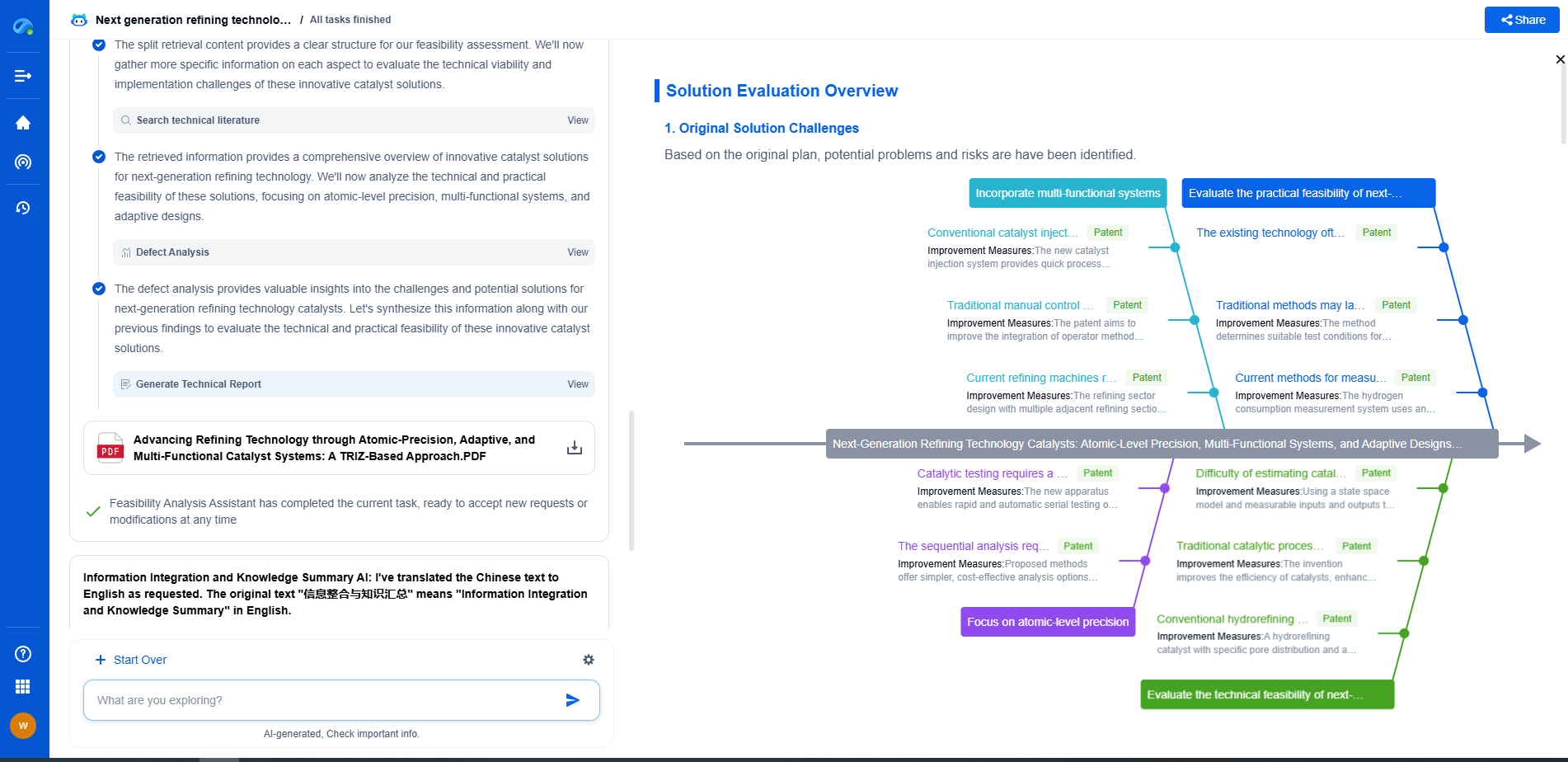
Patsnap Eureka, our intelligent AI assistant built for R&D professionals in high-tech sectors, empowers you with real-time expert-level analysis, technology roadmap exploration, and strategic mapping of core patents—all within a seamless, user-friendly interface. Whether you're optimizing signal processing designs, navigating 3GPP standards, or exploring IP strategies for IoT and 6G networks, Eureka helps you move faster, think deeper, and innovate smarter.
Try Patsnap Eureka today—and see how it can transform the way you work across the entire communication technology innovation lifecycle.