How Does a Multi-Source Power System Ensure Reliability?
JUN 26, 2025 |
As the demand for electricity continues to grow, the need for reliable and sustainable power systems has become more critical than ever. A multi-source power system, also known as a multi-source energy system, integrates various energy sources to ensure a steady and reliable supply of electricity. This approach not only enhances reliability but also promotes environmental sustainability by incorporating renewable energy sources.
Integration of Diverse Energy Sources
One of the primary ways a multi-source power system ensures reliability is through the integration of diverse energy sources. By combining traditional energy sources such as coal, natural gas, and nuclear power with renewable sources like solar, wind, and hydroelectric power, the system can balance the inherent variability and intermittency of renewable energy. For instance, when solar power generation drops due to cloudy weather, other sources like wind or natural gas can compensate, ensuring a continuous power supply.
Redundancy and Backup Systems
Redundancy is a critical component of any reliable power system. Multi-source power systems inherently provide redundancy through their diverse energy sources. If one source fails or experiences a temporary outage, other sources can seamlessly pick up the slack. This redundancy minimizes the risk of power disruptions and enhances the overall reliability of the system. Additionally, multi-source systems often include backup systems, such as battery storage or pumped hydro storage, which store excess energy during peak production times and release it during periods of high demand or low production.
Smart Grid Technology
The integration of smart grid technology plays a significant role in the reliability of multi-source power systems. Smart grids use advanced communication technologies and data analytics to monitor and manage the flow of electricity across the network in real time. This allows for dynamic adjustments to be made based on current supply and demand conditions, optimizing the use of available resources and ensuring a balanced and reliable power supply. Furthermore, smart grids can quickly identify and respond to disruptions, minimizing downtime and enhancing system resilience.
Enhanced Predictive Maintenance
Predictive maintenance is another factor that contributes to the reliability of multi-source power systems. By leveraging data analytics and machine learning, operators can predict and address potential equipment failures before they occur. This proactive approach reduces the likelihood of unexpected outages and extends the lifespan of critical infrastructure. Regular maintenance schedules are optimized, ensuring that all components of the power system operate efficiently and reliably.
Environmental and Economic Benefits
Beyond enhancing reliability, multi-source power systems offer significant environmental and economic benefits. By incorporating renewable energy sources, these systems reduce greenhouse gas emissions and reliance on fossil fuels, contributing to a cleaner and more sustainable environment. Economically, the diversification of energy sources can stabilize energy prices and protect against market volatility associated with single-source dependency. Additionally, the development and operation of multi-source systems create jobs and stimulate local economies.
Conclusion
In conclusion, multi-source power systems represent a forward-thinking approach to ensuring a reliable, sustainable, and economically viable electricity supply. By integrating diverse energy sources, incorporating redundancy and smart grid technology, and embracing predictive maintenance, these systems address the challenges of modern energy demands. As the world continues to transition towards cleaner energy sources, multi-source power systems will play a vital role in shaping a sustainable and reliable energy future.
Stay Ahead in Power Systems Innovation
From intelligent microgrids and energy storage integration to dynamic load balancing and DC-DC converter optimization, the power supply systems domain is rapidly evolving to meet the demands of electrification, decarbonization, and energy resilience.
In such a high-stakes environment, how can your R&D and patent strategy keep up?
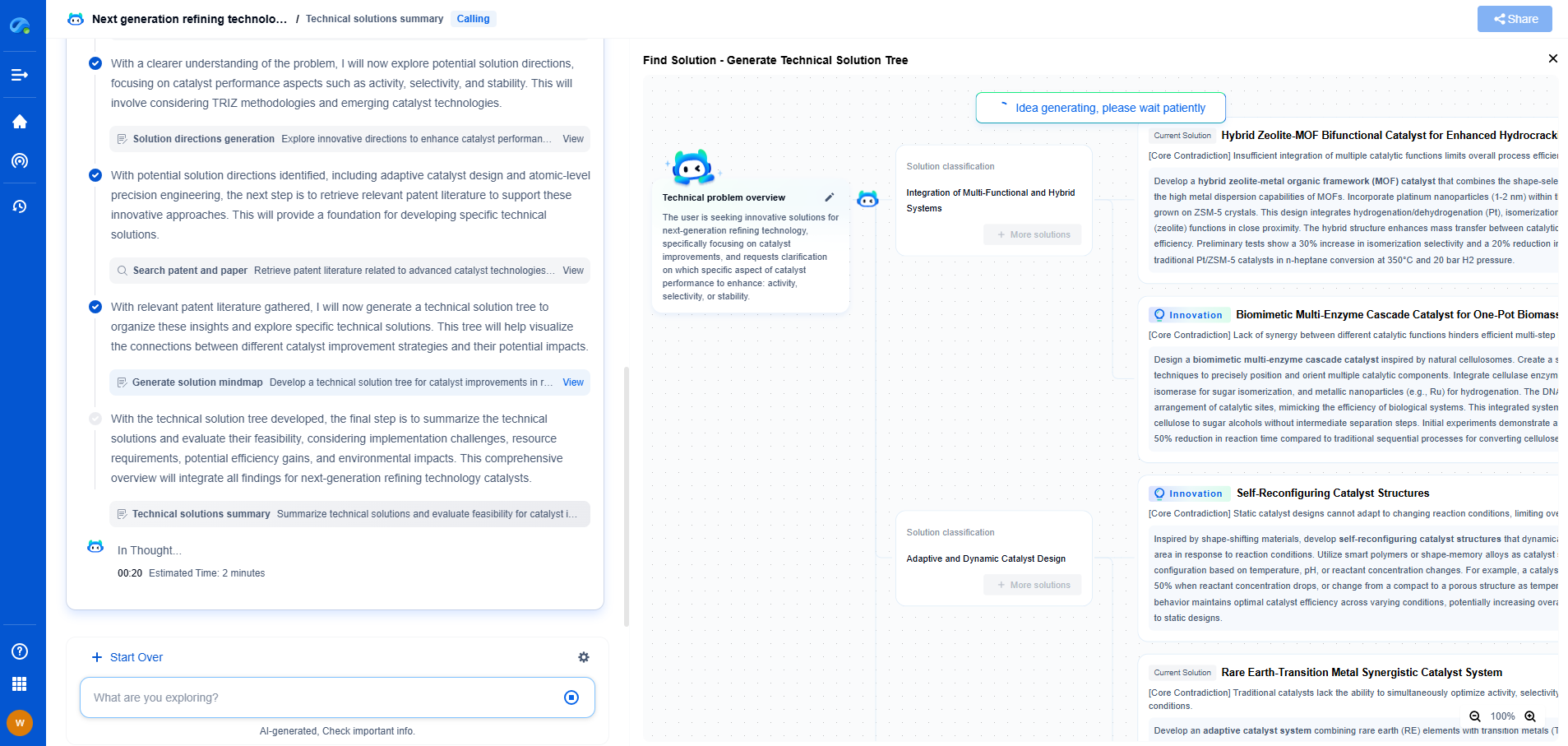
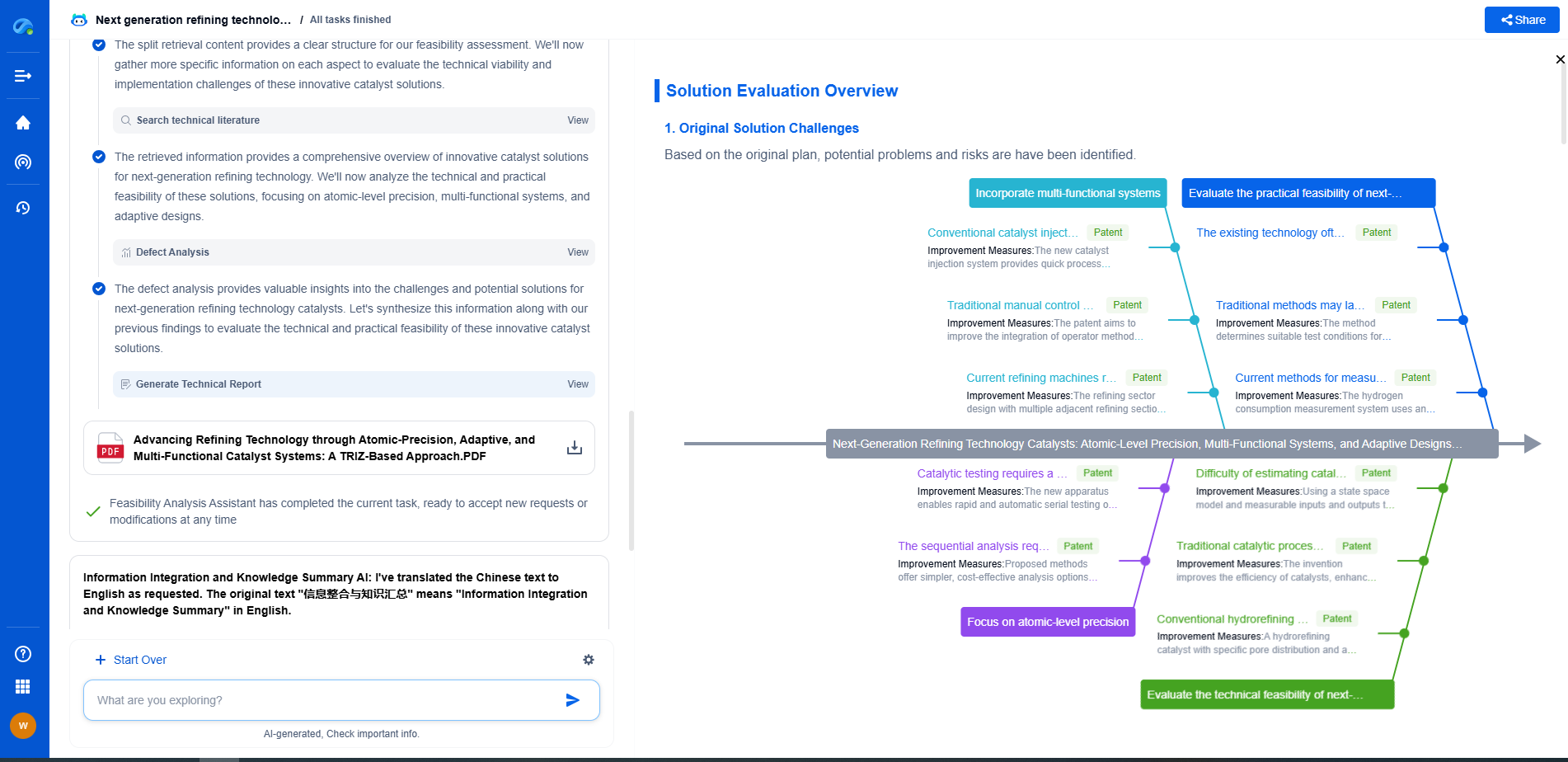
Patsnap Eureka, our intelligent AI assistant built for R&D professionals in high-tech sectors, empowers you with real-time expert-level analysis, technology roadmap exploration, and strategic mapping of core patents—all within a seamless, user-friendly interface.
👉 Experience how Patsnap Eureka can supercharge your workflow in power systems R&D and IP analysis. Request a live demo or start your trial today.