How does catalyst acidity influence selectivity in FCC?
JUN 19, 2025 |
Fluid Catalytic Cracking (FCC) is a crucial process in the refining of petroleum, widely used to convert heavy hydrocarbons into lighter, more valuable products such as gasoline, olefins, and other byproducts. This process relies heavily on the use of catalysts, which facilitate the breakdown of long-chain hydrocarbons. Among the factors influencing the effectiveness of catalysts in FCC, acidity plays a pivotal role. Understanding how catalyst acidity affects selectivity can help optimize the FCC process, enhancing product yield and quality.
The Role of Catalyst Acidity
Catalyst acidity refers to the ability of a catalyst to donate protons or accept electrons, which can influence the type of reactions that occur during the cracking process. The acidic sites on the catalyst surface are instrumental in the cracking reaction, providing active sites for the breaking of carbon-carbon bonds in hydrocarbon chains. The strength and concentration of these acidic sites can significantly impact the selectivity of the reaction – that is, the distribution of the various products formed during the process.
Acidity vs. Activity
While acidity is critical for catalytic activity, it should not be confused with it. Activity refers to the overall ability of the catalyst to facilitate chemical reactions, whereas acidity specifically influences the nature of those reactions. A highly acidic catalyst may increase the overall conversion rate, but without careful control, it can also lead to undesirable side reactions. For example, excessive acidity might promote secondary cracking, leading to the formation of lighter gases instead of the desired liquid products. Therefore, balancing acidity is crucial for achieving optimal selectivity.
Influence on Product Distribution
The acidity of a catalyst affects the distribution of products in FCC by influencing the pathway of hydrocarbon conversion. Strongly acidic catalysts tend to favor the formation of lighter alkenes and aromatics, which are valuable in petrochemical production. However, if the acidity is too high, it can lead to over-cracking, producing excessive quantities of dry gas and coke, which are less desirable.
On the other hand, catalysts with moderate acidity can offer a more balanced product slate, producing a higher yield of desired liquids like gasoline and diesel. This balance is critical for refiners looking to maximize profitability while adhering to product specifications.
Optimizing Catalyst Acidity
Optimizing catalyst acidity involves tuning the strength and distribution of acidic sites to align with specific processing goals. This can be achieved through several methods, including modifying the composition of the catalyst or adjusting the operating conditions of the FCC unit.
One approach is to alter the zeolite structure within the catalyst, as zeolites are a primary component contributing to acidity. By controlling the silica-to-alumina ratio within the zeolite framework, refiners can tailor the acidity level to suit their needs. Additionally, incorporating metal oxides or rare earth elements into the catalyst matrix can further fine-tune its acidity and, consequently, its selectivity.
Challenges and Considerations
While adjusting catalyst acidity offers opportunities for optimization, it also presents challenges. Changes to catalyst composition can affect other properties, such as thermal stability and resistance to deactivation. Moreover, the complex nature of FCC feedstocks, which can vary significantly in composition, means that a catalyst optimized for one type of feed may not perform as well with another. Therefore, refiners must consider the specific characteristics of their feedstock when selecting and modifying catalysts.
Conclusion
Catalyst acidity is a key determinant of selectivity in the FCC process, influencing the balance of desired and undesired products. By understanding and optimizing acidity, refiners can enhance the economic and operational efficiency of their operations. This involves careful consideration of the interplay between acidity, activity, and catalyst stability, ensuring that the catalyst performs optimally under the specific conditions of their FCC units. As advancements in catalyst technology continue, the ability to fine-tune catalyst acidity promises to yield even greater control over the FCC process, paving the way for more sustainable and profitable refining practices.
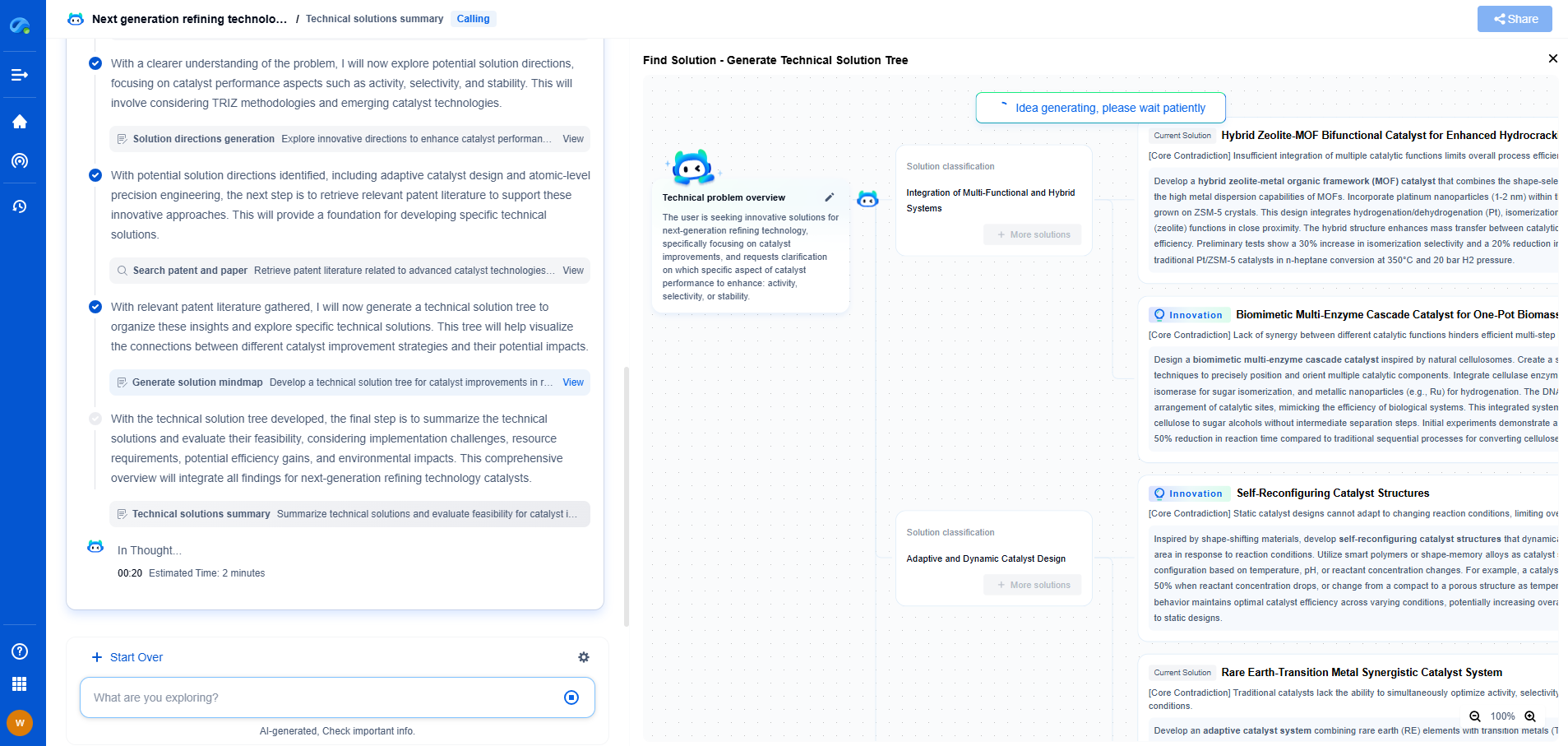
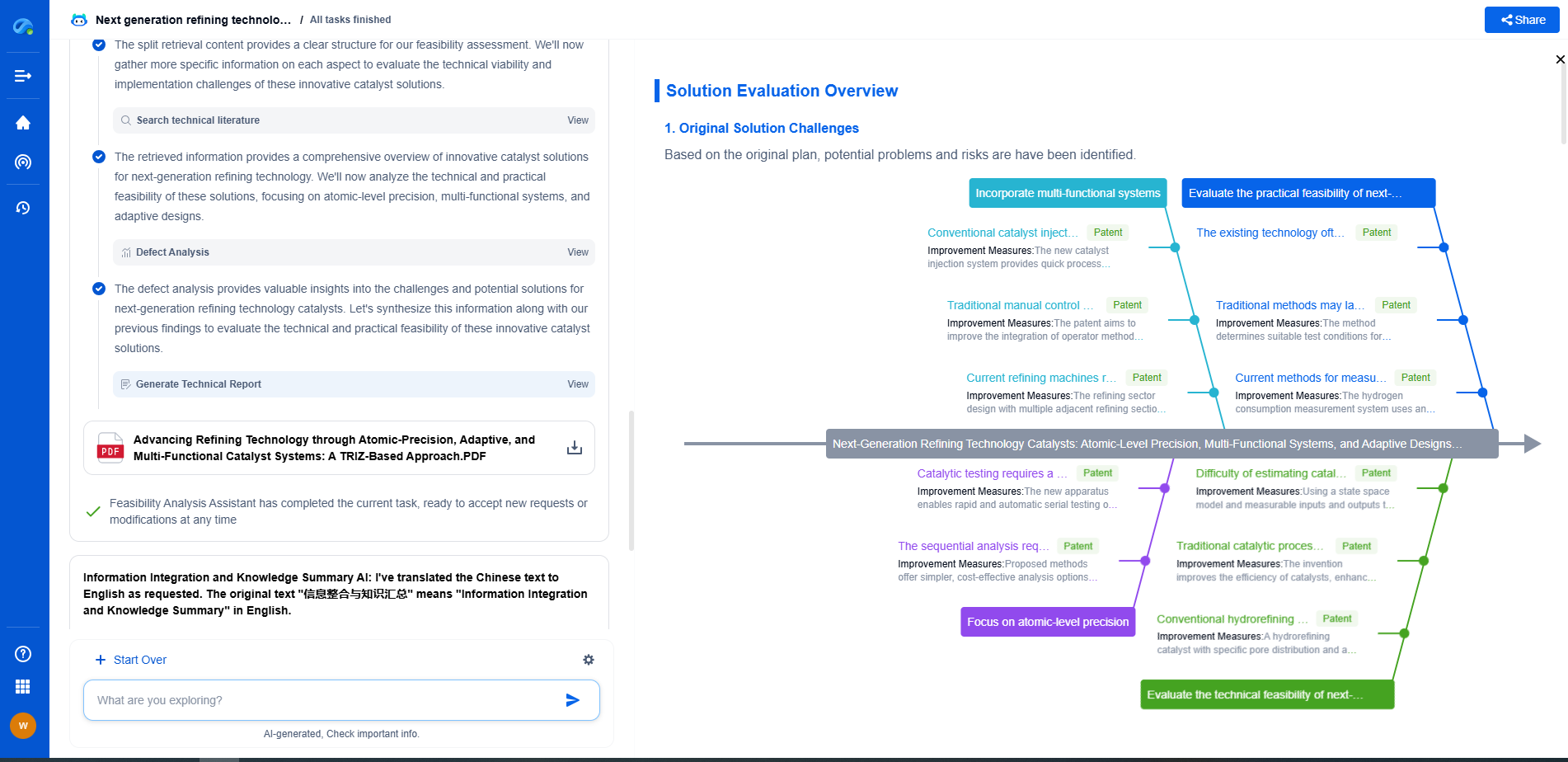
Discover Patsnap Eureka: AI Agents Built for Scientific Innovation
Whether you're designing the next generation of refining technologies or analyzing catalysts and process flows, keeping up with rapidly evolving research and IP data in petroleum processing is no easy task.
Patsnap Eureka, our intelligent AI assistant built for R&D professionals in high-tech sectors, empowers you with real-time expert-level analysis, technology roadmap exploration, and strategic mapping of core patents—all within a seamless, user-friendly interface.
Ready to accelerate your innovation process and make smarter, faster decisions? Discover Patsnap Eureka today and unlock the full power of confident, AI-driven innovation.