How parallel computing powers modern AI and deep learning workloads
JUL 4, 2025 |
Parallel computing is a cornerstone of modern computing that allows multiple calculations or processes to be carried out simultaneously. This technique divides complex problems into smaller ones, solving them concurrently to achieve faster results. Parallel computing is not new; it has been around for decades, but its significance has skyrocketed with the advent of AI and deep learning, where enormous datasets and complex algorithms require immense computational resources.
The Role of GPUs in Parallel Computing
One of the key drivers of parallel computing in AI and deep learning is the Graphics Processing Unit (GPU). Originally designed to render graphics for video games, GPUs are exceptionally good at handling multiple tasks at the same time, making them ideal for parallel computing. In contrast to the Central Processing Unit (CPU), which handles a few tasks more thoroughly and sequentially, the GPU's architecture is optimized for the kind of repetitive operations found in training AI models.
Deep learning algorithms often involve large matrices and require numerous arithmetic operations to adjust weights and biases in neural networks. GPUs can perform these operations simultaneously across thousands of cores, speeding up the training process and enabling the handling of larger datasets, which would be impractical with CPU-only systems.
Data Parallelism vs. Model Parallelism
In AI workloads, parallel computing is often implemented through two primary techniques: data parallelism and model parallelism. Data parallelism involves distributing the data across multiple processing units. Each unit processes a subset of the data simultaneously, and the results are combined to generate a final output. This approach is particularly effective in training large neural networks, where the same model is trained on different parts of the data concurrently.
Model parallelism, on the other hand, splits the model itself across different processors. This is useful when a model is too large to fit into the memory of a single processor. By dividing the model across multiple processors, each processor can work on different parts of the model at the same time. Both of these parallelism strategies are critical for scaling AI models and ensuring efficient use of computational resources.
The Impact on AI and Deep Learning
Parallel computing has revolutionized the field of AI and deep learning by significantly reducing the time required to train models. This has opened up possibilities for more complex and deeper neural networks that can learn from vast amounts of data. Techniques such as convolutional neural networks (CNNs) and recurrent neural networks (RNNs), which require extensive computation, have become feasible only due to advances in parallel computing.
Moreover, parallel computing has enabled real-time data processing and decision-making. In areas such as autonomous vehicles, natural language processing, and real-time recommendation systems, the ability to process data quickly and concurrently is critical. Parallel architectures allow AI systems to analyze and respond to data inputs instantaneously, which is essential for applications where speed and accuracy are paramount.
Challenges and Future Directions
Despite its advantages, parallel computing in AI and deep learning comes with its own set of challenges. Managing data dependencies and ensuring efficient communication between processing units can be complex. Developing algorithms that can fully exploit parallel architectures requires sophisticated programming techniques and a deep understanding of the hardware.
Looking to the future, advancements in parallel computing architectures, such as quantum computing and neuromorphic computing, promise to further accelerate AI and deep learning workloads. These technologies aim to push the boundaries of what's possible, allowing for even more powerful and intelligent AI systems.
Conclusion
Parallel computing is indispensable in today's AI and deep learning landscape. It provides the computational power necessary to process vast amounts of data and train complex models efficiently. By leveraging GPUs and techniques like data and model parallelism, parallel computing enables the development of cutting-edge AI applications that are reshaping industries and redefining what's possible in technology. As we continue to innovate, the role of parallel computing will only grow, driving forward the capabilities of AI and deep learning to new heights.
Accelerate Breakthroughs in Computing Systems with Patsnap Eureka
From evolving chip architectures to next-gen memory hierarchies, today’s computing innovation demands faster decisions, deeper insights, and agile R&D workflows. Whether you’re designing low-power edge devices, optimizing I/O throughput, or evaluating new compute models like quantum or neuromorphic systems, staying ahead of the curve requires more than technical know-how—it requires intelligent tools.
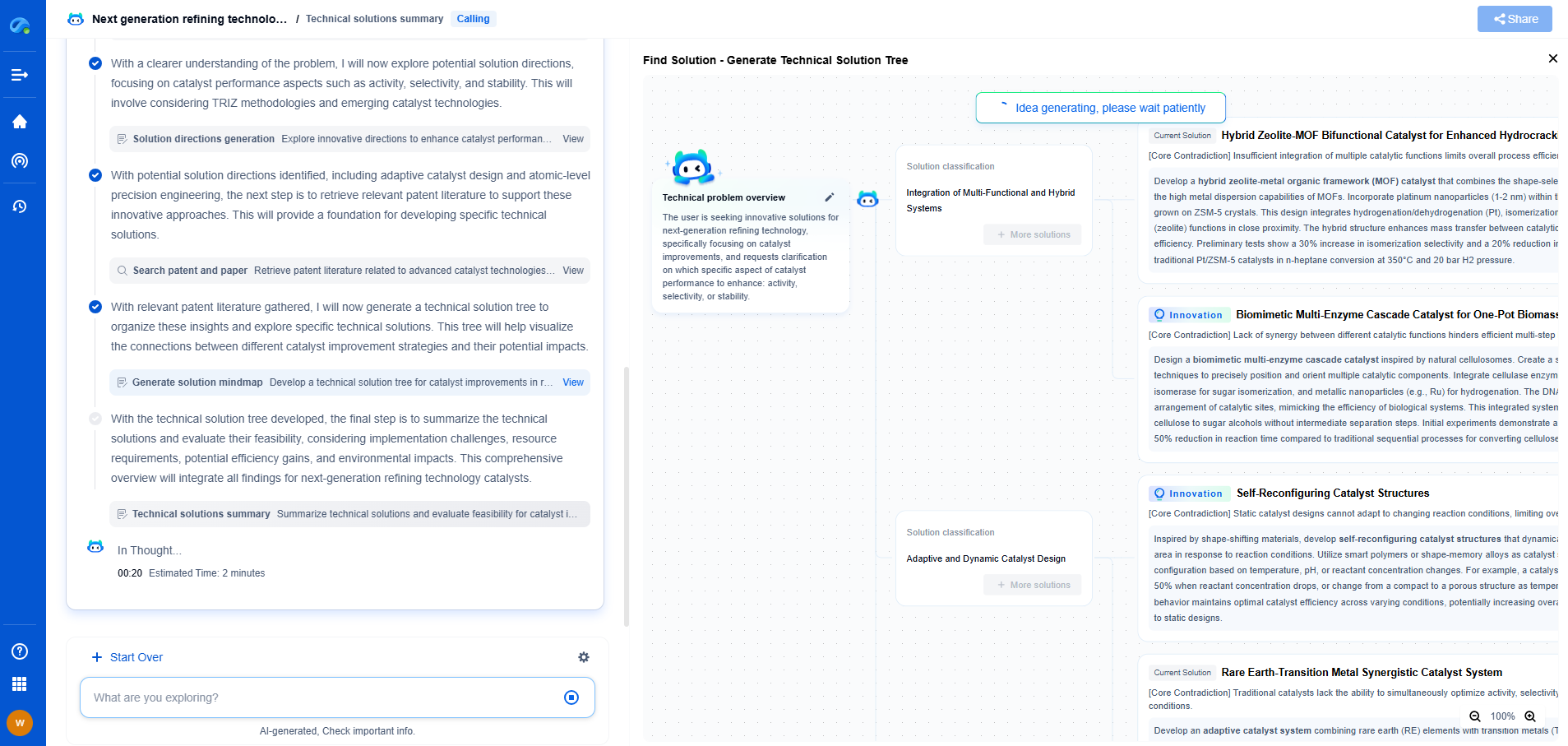
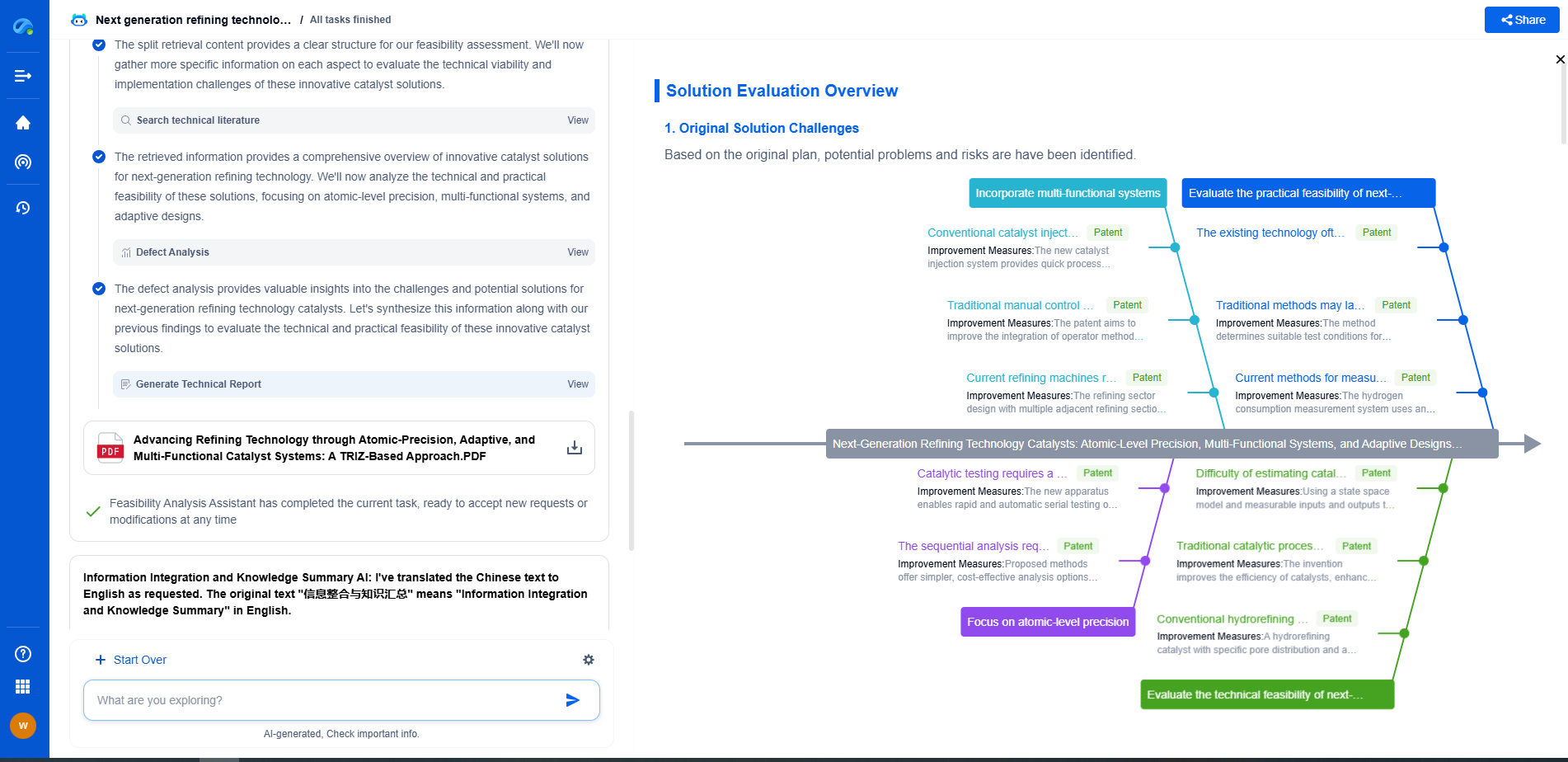
Patsnap Eureka, our intelligent AI assistant built for R&D professionals in high-tech sectors, empowers you with real-time expert-level analysis, technology roadmap exploration, and strategic mapping of core patents—all within a seamless, user-friendly interface.
Whether you’re innovating around secure boot flows, edge AI deployment, or heterogeneous compute frameworks, Eureka helps your team ideate faster, validate smarter, and protect innovation sooner.
🚀 Explore how Eureka can boost your computing systems R&D. Request a personalized demo today and see how AI is redefining how innovation happens in advanced computing.