How process heaters are used across refinery units
JUN 19, 2025 |
In the complex world of oil refining, process heaters play a pivotal role. They are fundamental components that facilitate the transformation of crude oil into useful products such as gasoline, diesel, and petrochemicals. Let's delve deeper into how process heaters are utilized across various refinery units and understand their significance in the refining process.
The Role of Process Heaters in Refining
Process heaters, also known as fired heaters or furnaces, provide the necessary heat to chemical reactions within the refinery. They ensure that the crude oil and its derivatives reach the desired temperature to undergo physical and chemical changes. This heating process is critical in breaking down large hydrocarbon molecules into smaller, more valuable fractions.
Applications in Distillation Units
Distillation units are among the primary beneficiaries of process heaters. In these units, crude oil is separated into its various components based on boiling points. The process heater raises the temperature of the crude oil feedstock, ensuring that it vaporizes and ascends through the distillation column. Each fraction is then collected at different heights of the column, resulting in a range of products from gases to heavy fuel oils.
Catalytic Cracking and Reforming
Catalytic cracking units also rely heavily on process heaters. These units aim to convert heavy hydrocarbon molecules into lighter, more valuable products such as gasoline and olefins. The process heater provides the heat necessary to maintain the reaction temperature, allowing catalysts to facilitate the breakdown of large molecules.
In catalytic reforming units, the goal is to improve the octane number of hydrocarbons, transforming naphtha into high-octane gasoline components. Process heaters maintain the endothermic reactions needed for this conversion, ensuring optimal product quality.
Hydroprocessing Units
Hydroprocessing units, which include hydrocrackers and hydrotreaters, utilize process heaters to achieve several objectives. In hydrotreating, the heaters assist in removing impurities like sulfur and nitrogen from petroleum products, enhancing their quality and compliance with environmental regulations. In hydrocracking, they provide the necessary conditions for breaking down heavier oil fractions into lighter ones, utilizing hydrogen and catalysts in the process.
Environmental Considerations
With the growing emphasis on sustainability and environmental responsibility, modern process heaters are designed to be more efficient and less polluting. Advances in burner technology, improved combustion control, and heat recovery systems have significantly reduced the carbon footprint of these units. Refineries are continuously working to optimize the operation of process heaters to minimize energy consumption and emissions.
Safety and Maintenance
Safety is paramount when it comes to operating process heaters. These units operate at high temperatures and pressures, and any malfunction can have serious consequences. Regular maintenance and inspections are essential to ensure the reliable and safe operation of process heaters. Refinery operators must be vigilant in detecting signs of wear and corrosion, and in maintaining the integrity of the heaters' components.
Conclusion
In conclusion, process heaters are indispensable in refinery operations, providing the heat necessary for various chemical processes and reactions. Their applications span across distillation, catalytic cracking and reforming, and hydroprocessing units, highlighting their versatility and importance. As the refining industry evolves, the focus on making process heaters more efficient and sustainable will continue to grow, ensuring that they meet the demands of modern production while minimizing their environmental impact.
Discover Patsnap Eureka: AI Agents Built for Scientific Innovation
Whether you're designing the next generation of refining technologies or analyzing catalysts and process flows, keeping up with rapidly evolving research and IP data in petroleum processing is no easy task.
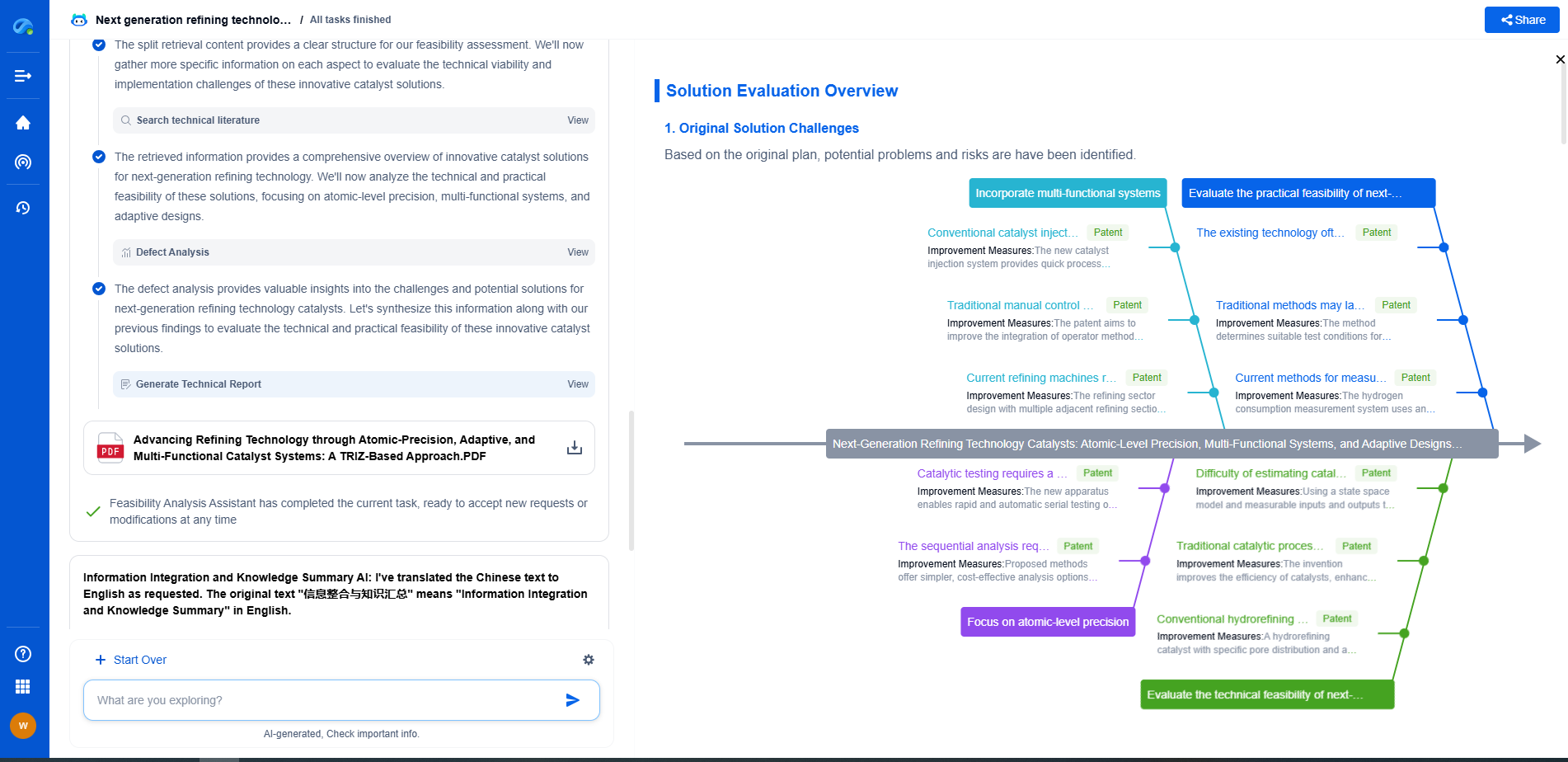
Patsnap Eureka, our intelligent AI assistant built for R&D professionals in high-tech sectors, empowers you with real-time expert-level analysis, technology roadmap exploration, and strategic mapping of core patents—all within a seamless, user-friendly interface.
Ready to accelerate your innovation process and make smarter, faster decisions? Discover Patsnap Eureka today and unlock the full power of confident, AI-driven innovation.