How to Choose Between OEM and Custom-Designed Waveguides?
JUN 26, 2025 |
Waveguides are essential components in the field of radio frequency (RF) and microwave engineering, used to guide electromagnetic waves from one point to another. Their primary function is to provide a conduit for signals, minimizing loss and maintaining signal integrity. Waveguides come in various forms, including rectangular, circular, and elliptical, each suitable for specific applications. When selecting a waveguide for a project, one often faces the choice between Original Equipment Manufacturer (OEM) waveguides and custom-designed options. This decision can significantly affect the performance, cost, and development time of your project.
Advantages of OEM Waveguides
OEM waveguides are pre-manufactured, standardized products designed to meet general requirements for various applications. They offer several advantages, making them a popular choice for many engineers and designers.
1. Cost-Effectiveness: OEM waveguides are mass-produced, leading to economies of scale. This translates into lower costs for the end user, making them an attractive option for budget-conscious projects.
2. Availability: Being standard products, OEM waveguides are readily available from suppliers. This ensures quick procurement and project timelines, as there is minimal waiting time compared to custom-designed options.
3. Proven Performance: OEM waveguides are tried and tested, ensuring reliability and adherence to industry standards. They come with documented performance metrics, allowing for easy comparison and selection based on specific needs.
4. Compatibility: These waveguides are designed to fit a wide range of equipment and systems, ensuring compatibility across different applications and reducing the need for additional modifications.
The Case for Custom-Designed Waveguides
While OEM waveguides offer several benefits, there are situations where custom-designed waveguides are the better choice. Custom waveguides are tailored to meet specific requirements and can offer significant advantages in certain applications.
1. Specific Performance Requirements: Custom-designed waveguides can be optimized for unique performance characteristics, such as enhanced power handling, reduced loss, or specific frequency ranges, meeting precise needs that standard options cannot.
2. Unique Design Constraints: When working within limited space or unconventional setups, custom waveguides can be crafted to fit specific dimensions and shapes, ensuring seamless integration into your system.
3. Innovation and Flexibility: Custom waveguides allow for the incorporation of new materials and advanced technologies that may not be available in standard products, promoting innovation and cutting-edge design.
4. Branding and Differentiation: Custom waveguides provide the opportunity to brand and differentiate your product from competitors, offering a unique selling point in a crowded marketplace.
Factors to Consider When Choosing Between OEM and Custom Waveguides
When deciding between OEM and custom-designed waveguides, several factors should be considered to ensure the best fit for your project.
1. Budget: Determine your budget constraints and weigh the cost differences between OEM and custom options. While custom waveguides may offer superior performance, they often come with higher costs.
2. Timeline: Consider your project timeline and the urgency of your need. OEM waveguides are typically quicker to procure, whereas custom designs may require additional lead time for manufacturing and testing.
3. Application Requirements: Assess the specific requirements of your application, including frequency range, power handling, and environmental factors. This will help determine whether a standard or tailored solution is most suitable.
4. Long-Term Goals: Evaluate your long-term goals and the potential need for upgrades or modifications. Custom waveguides may offer more flexibility for future changes, aligning with evolving project needs.
Conclusion
Choosing between OEM and custom-designed waveguides is a decision that hinges on several factors, including cost, availability, performance requirements, and design constraints. By thoroughly understanding the advantages and limitations of each option, engineers and designers can make informed decisions that optimize their projects for success. Whether selecting a cost-effective OEM waveguide for a straightforward application or opting for a custom design to meet unique demands, the key is to align the choice with the specific goals and requirements of the project.
Empower Electromagnetic Innovation with Patsnap Eureka
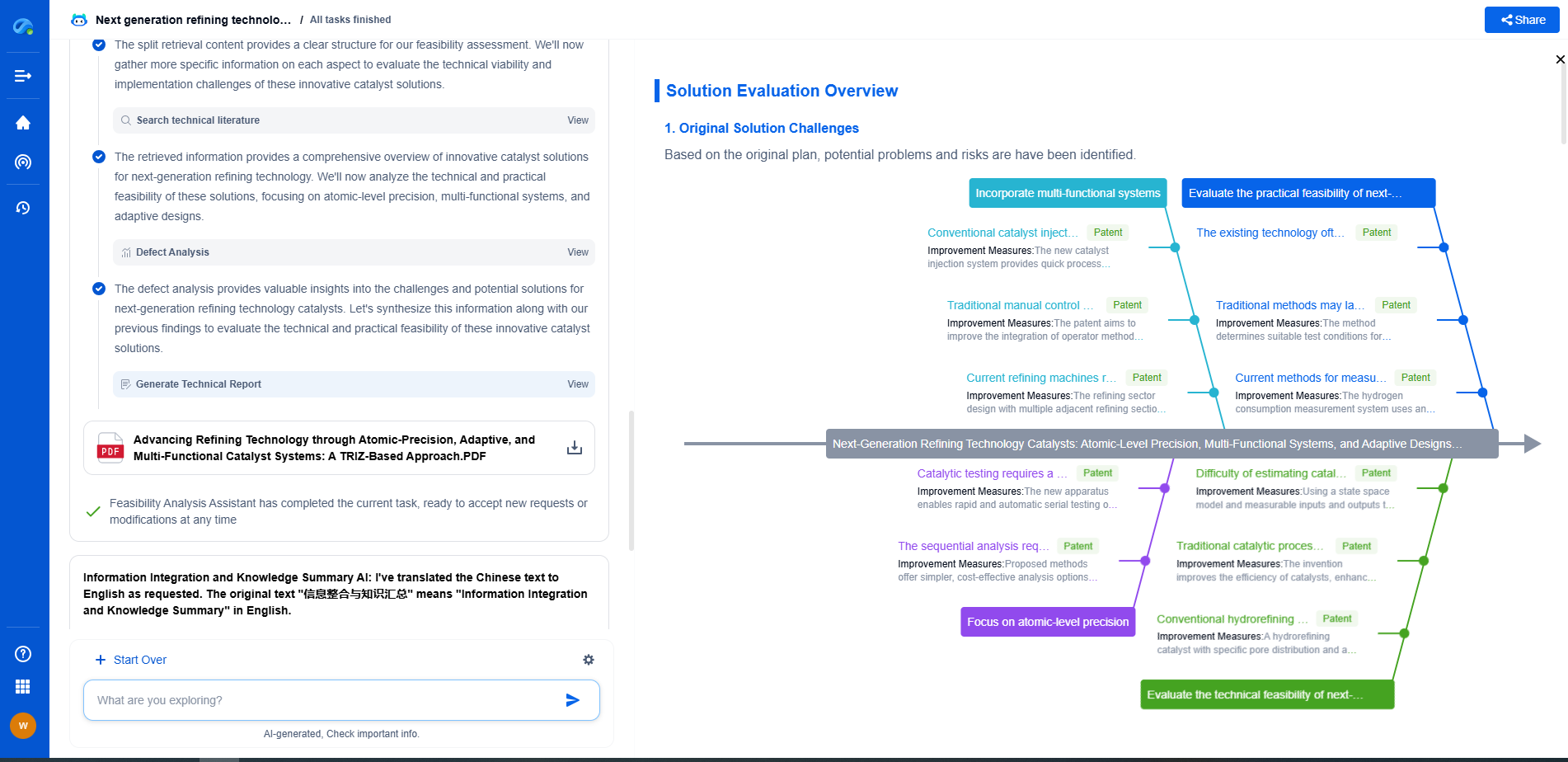
From high-frequency antenna arrays and electromagnetic shielding to plasma propulsion and wave-based energy transfer, the electromagnetic domain sits at the core of next-generation technologies. Yet navigating its vast landscape of patents, research papers, and evolving technical standards can be time-consuming and complex.
Patsnap Eureka, our intelligent AI assistant built for R&D professionals in high-tech sectors, empowers you with real-time expert-level analysis, technology roadmap exploration, and strategic mapping of core patents—all within a seamless, user-friendly interface.
👉 Experience Patsnap Eureka today and transform how your team navigates the complexity of electromagnetic innovation.