How to integrate secure boot into your firmware development flow
JUL 4, 2025 |
Understanding Secure Boot
Before diving into the integration process, it is important to understand what secure boot is and why it is essential. Secure boot is a process that verifies the authenticity of the firmware before execution. It establishes a chain of trust from the hardware root of trust through to the bootloader and operating system. The goal is to prevent execution of unauthorized software during the boot process, thus safeguarding the system against malware and unauthorized firmware updates.
Preparing for Integration
The first step in integrating secure boot is to prepare your development environment and team. This involves understanding the specific requirements of your hardware platform, as different systems may have unique secure boot implementations. Collaborate with your hardware vendor to obtain documentation and support for secure boot capabilities. Additionally, ensure your development team is trained on secure coding practices and familiar with cryptographic concepts necessary for implementing secure boot.
Defining Security Policies
Establishing clear security policies is vital. Determine what constitutes trusted firmware and develop a strategy for key management. This includes generating cryptographic keys, deciding where they will be stored, and defining how they will be protected. Consider leveraging a hardware security module (HSM) for key storage, as this can enhance security by safeguarding keys from unauthorized access.
Implementing Secure Boot
To implement secure boot, start by enabling the platform's secure boot feature in the firmware settings. This typically involves configuring the bootloader to check the digital signature of the firmware image. Use cryptographic algorithms to sign the firmware code, ensuring that only code with a valid signature is allowed to execute. Implement a verification mechanism where the bootloader checks this signature against a trusted root certificate before proceeding with the boot process.
Testing and Validation
Thorough testing is crucial to ensure the secure boot process functions correctly. Develop a comprehensive testing plan that includes both positive and negative test cases. Simulate various attack scenarios and attempt to boot using unauthorized firmware to ensure the secure boot mechanism effectively prevents such attempts. Validate the entire boot process across different hardware configurations to ensure compatibility and reliability.
Maintaining and Updating Secure Boot
Once secure boot is integrated and tested, it is important to establish a process for maintaining and updating firmware securely. Develop a firmware update mechanism that adheres to secure boot principles. This involves digitally signing firmware updates and ensuring that the device verifies the signature before applying the update. Regularly review and update security policies and cryptographic keys to adapt to evolving threats.
Addressing Common Challenges
Integrating secure boot can present several challenges. One common issue is managing keys securely; improper handling can lead to security breaches. Ensure keys are rotated periodically and protected using robust cryptographic methods. Additionally, compatibility issues may arise when integrating secure boot with legacy systems. In such cases, consider updating the legacy systems or implementing a compatibility layer to support secure boot.
Conclusion
Integrating secure boot into your firmware development flow is a critical step towards enhancing the security and integrity of your embedded systems. By understanding secure boot principles, preparing adequately, and following a structured implementation process, you can protect your devices from unauthorized access and potential threats. Remember, maintaining a robust secure boot process requires continuous monitoring, testing, and updating to adapt to new security challenges.
Accelerate Breakthroughs in Computing Systems with Patsnap Eureka
From evolving chip architectures to next-gen memory hierarchies, today’s computing innovation demands faster decisions, deeper insights, and agile R&D workflows. Whether you’re designing low-power edge devices, optimizing I/O throughput, or evaluating new compute models like quantum or neuromorphic systems, staying ahead of the curve requires more than technical know-how—it requires intelligent tools.
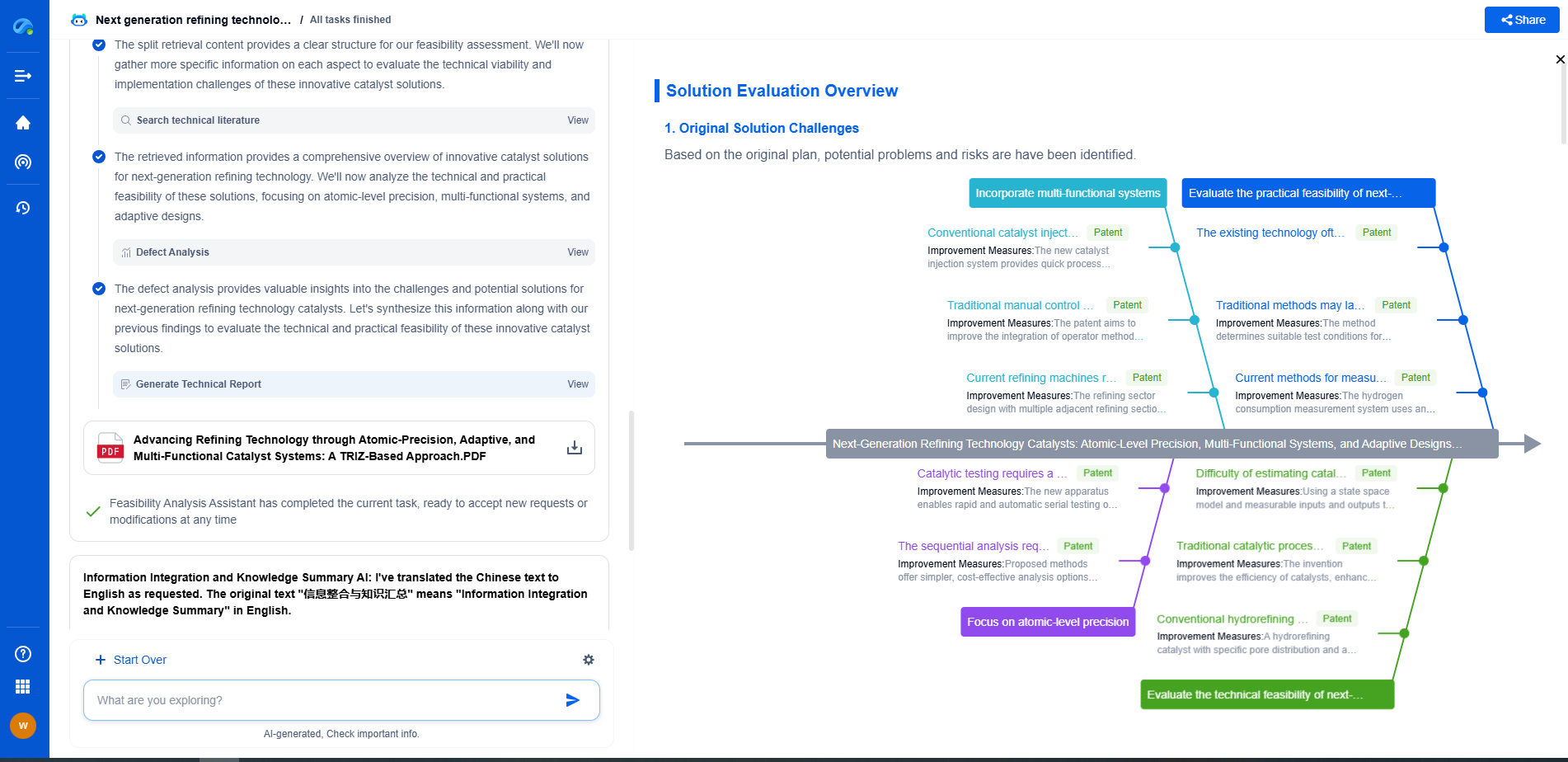
Patsnap Eureka, our intelligent AI assistant built for R&D professionals in high-tech sectors, empowers you with real-time expert-level analysis, technology roadmap exploration, and strategic mapping of core patents—all within a seamless, user-friendly interface.
Whether you’re innovating around secure boot flows, edge AI deployment, or heterogeneous compute frameworks, Eureka helps your team ideate faster, validate smarter, and protect innovation sooner.
🚀 Explore how Eureka can boost your computing systems R&D. Request a personalized demo today and see how AI is redefining how innovation happens in advanced computing.