How to Optimize Parallel Processing for Maximum Speed
JUL 4, 2025 |
Understanding Parallel Processing
Before diving into optimization techniques, it's crucial to understand what parallel processing entails. It involves multiple processors or cores working on different parts of a problem simultaneously, as opposed to traditional serial processing where tasks are completed one after another. This approach can significantly reduce processing time, especially for complex computations and large datasets. However, realizing these benefits requires a careful balance of hardware capabilities and software design.
Choosing the Right Hardware
Hardware plays a crucial role in parallel processing. The choice of processors, memory, and network infrastructure can directly impact performance. Opt for multi-core processors that can handle multiple threads efficiently. It's also important to have sufficient RAM to support data-intensive applications. For distributed computing environments, ensure that the network bandwidth is adequate to handle data transfer across nodes without becoming a bottleneck.
Efficient Task Distribution
One of the most critical aspects of parallel processing is how tasks are distributed among processors. Uneven distribution can lead to idle processors and wasted resources. Utilize algorithms that dynamically allocate tasks based on current workloads. This adaptive distribution ensures that all processors are utilized efficiently, leading to optimal performance.
Minimizing Communication Overhead
In parallel processing, especially in distributed systems, communication overhead can significantly affect performance. Reducing the frequency and volume of communication between processors is essential. Techniques such as data locality, which involves keeping data close to the processors that use it, can mitigate these issues. Additionally, using efficient communication protocols and optimizing network configurations can further minimize latency and improve speed.
Utilizing Parallel Libraries and Frameworks
Leverage existing parallel processing libraries and frameworks to save time and resources. Libraries like OpenMP, MPI, and frameworks such as CUDA for GPU computing provide robust tools that can simplify the implementation of parallel processing. These tools are optimized for speed and scalability, allowing developers to focus on refining their algorithms rather than building parallel systems from scratch.
Implementing Load Balancing
Effective load balancing ensures that all processors are working at maximum capacity without overloading any individual processor. Implementing dynamic load balancing techniques can help redistribute tasks as workloads change, preventing bottlenecks and ensuring that processing resources are used efficiently. This adaptability is crucial for maintaining high performance in environments with varying computational demands.
Monitoring and Profiling Performance
Continuous monitoring and profiling are essential for optimizing parallel processing. Use performance monitoring tools to identify bottlenecks and analyze system behavior. Profiling can reveal insights into processor utilization, memory usage, and communication patterns. Armed with this information, adjustments can be made to improve performance, such as optimizing code, reallocating resources, or adjusting task distribution strategies.
Optimizing Algorithms for Parallel Execution
Not all algorithms are inherently suited for parallel execution. Optimizing algorithms to take full advantage of parallel processing capabilities can lead to significant performance gains. Identify opportunities for parallelism within algorithms and restructure them to minimize dependencies between tasks. This process may involve breaking down tasks into smaller, independent units that can be executed concurrently.
Conclusion
Optimizing parallel processing for maximum speed is a multi-faceted challenge that requires a strategic approach. By choosing the right hardware, efficiently distributing tasks, minimizing communication overhead, leveraging parallel libraries, implementing load balancing, and continuously monitoring performance, significant improvements in processing speed can be achieved. As technology continues to advance, the potential for enhanced parallel processing capabilities will only grow, making it an essential area of focus for computational efficiency.
Accelerate Breakthroughs in Computing Systems with Patsnap Eureka
From evolving chip architectures to next-gen memory hierarchies, today’s computing innovation demands faster decisions, deeper insights, and agile R&D workflows. Whether you’re designing low-power edge devices, optimizing I/O throughput, or evaluating new compute models like quantum or neuromorphic systems, staying ahead of the curve requires more than technical know-how—it requires intelligent tools.
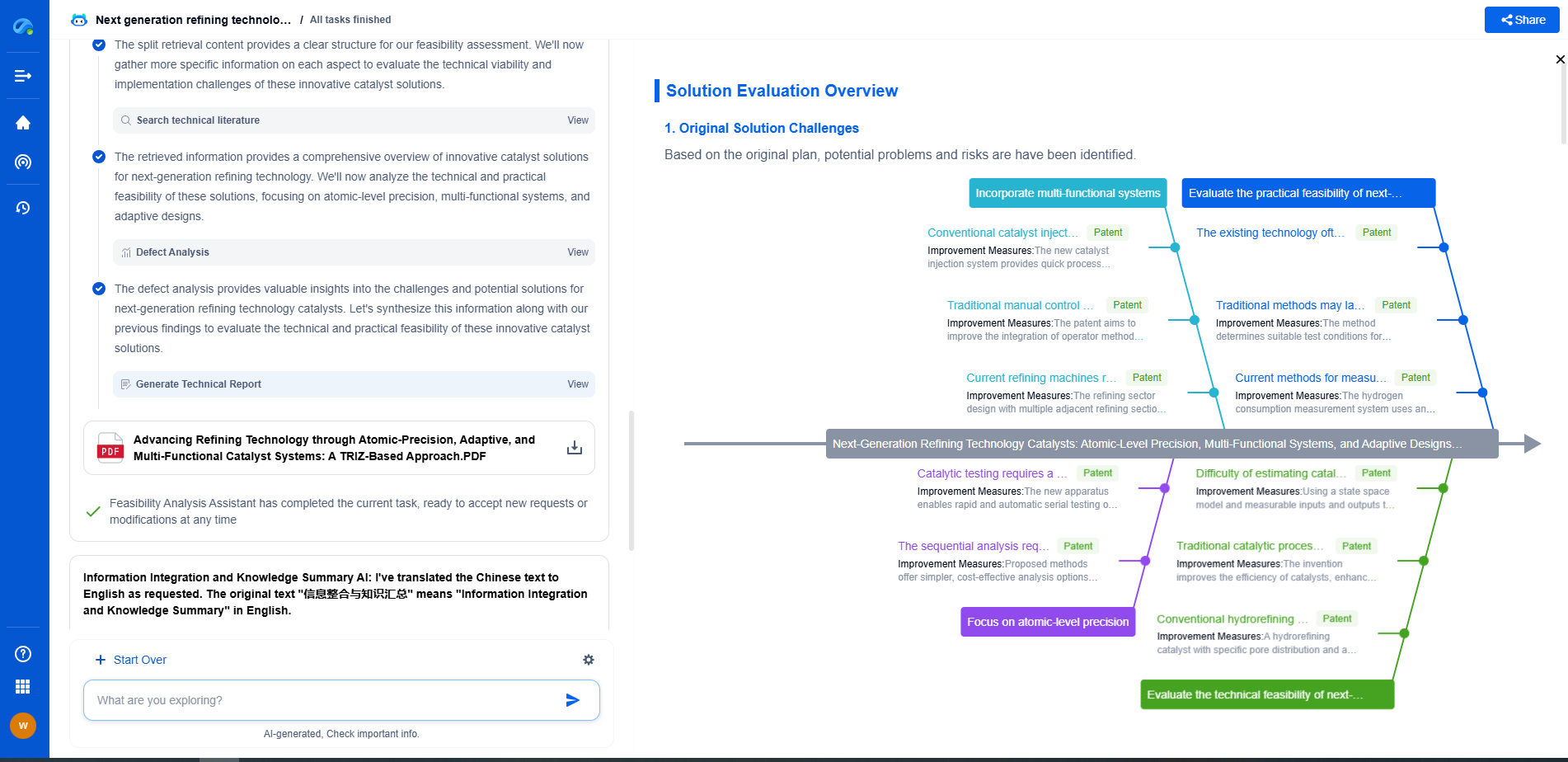
Patsnap Eureka, our intelligent AI assistant built for R&D professionals in high-tech sectors, empowers you with real-time expert-level analysis, technology roadmap exploration, and strategic mapping of core patents—all within a seamless, user-friendly interface.
Whether you’re innovating around secure boot flows, edge AI deployment, or heterogeneous compute frameworks, Eureka helps your team ideate faster, validate smarter, and protect innovation sooner.
🚀 Explore how Eureka can boost your computing systems R&D. Request a personalized demo today and see how AI is redefining how innovation happens in advanced computing.