Interference Testing: Identifying and Mitigating Signal Disruptions
JUL 7, 2025 |
Understanding Signal Interference
Signal interference occurs when unwanted disturbances affect the transmission and reception of communication signals. These disruptions can originate from various sources, including electronic devices, environmental factors, and even human activity. Understanding the nature of signal interference is the first step in addressing it effectively.
Types of Interference
1. **Electromagnetic Interference (EMI)**: EMI is caused by external electromagnetic fields interfering with the signal pathways of communication devices. It can be a result of natural phenomena, like lightning, or man-made sources, such as electrical circuits and motors.
2. **Radio Frequency Interference (RFI)**: This type of interference specifically impacts radio frequency signals. RFI can originate from devices like AM/FM radios, mobile phones, and wireless routers. As the use of wireless technology expands, managing RFI becomes increasingly crucial.
3. **Crosstalk**: Crosstalk occurs when a signal transmitted on one channel or circuit creates an undesired effect on another channel. It is common in telephone lines and can be particularly problematic in densely packed communication networks.
Importance of Interference Testing
Interference testing is critical for maintaining the integrity of communication systems. By identifying sources and types of interference, engineers can implement strategies to prevent signal degradation. This testing is vital in various industries, including telecommunications, aviation, healthcare, and consumer electronics.
Methods for Identifying Signal Disruptions
1. **Spectrum Analysis**: Spectrum analyzers are used to examine the frequency spectrum of signals. This method helps in identifying the presence of unwanted signals and determining their source. By analyzing the frequency, amplitude, and modulation of signals, engineers can pinpoint interference issues.
2. **Field Testing**: Conducted in real-world environments, field testing assesses the impact of potential interference sources in situ. This method is essential for understanding how signals behave in different settings and identifying any location-specific interference issues.
3. **Simulation and Modeling**: Advanced software tools simulate potential interference scenarios, allowing engineers to predict how systems will perform under various conditions. Modeling can reveal vulnerabilities and aid in developing robust interference mitigation strategies.
Mitigating Signal Interference
1. **Shielding and Grounding**: Implementing effective shielding and grounding techniques can significantly reduce electromagnetic interference. Properly designed enclosures and grounding paths ensure that unwanted electromagnetic fields do not affect the signal integrity.
2. **Filtering**: Filters can block unwanted frequencies while allowing desired signals to pass through. This approach is widely used in radio communication systems to eliminate RFI and enhance signal clarity.
3. **Adaptive Techniques**: Modern communication systems often utilize adaptive techniques, such as frequency hopping and spread spectrum, to dynamically adjust to interference. These technologies can automatically detect and switch to less congested frequencies, maintaining optimal performance.
4. **Regulatory Compliance**: Adhering to regulatory standards ensures that devices operate within specified limits, minimizing the risk of causing or suffering from interference. Compliance with standards like the Federal Communications Commission (FCC) guidelines is crucial for preventing cross-system disruptions.
Future Trends in Interference Testing
As technology advances, new challenges and solutions in interference testing emerge. The proliferation of Internet of Things (IoT) devices, the rollout of 5G networks, and the increasing complexity of communication systems drive the need for innovative interference testing techniques. Machine learning and artificial intelligence are poised to enhance the detection and mitigation of signal disruptions, providing more efficient and intelligent solutions.
Conclusion
Interference testing is an indispensable aspect of modern communication systems. By understanding and addressing signal disruptions, engineers can ensure the reliability and performance of devices across various industries. As we continue to rely on seamless connectivity, the importance of identifying and mitigating signal interference becomes even more pronounced, paving the way for a more connected and efficient future.
Empower Your Wireless Innovation with Patsnap Eureka
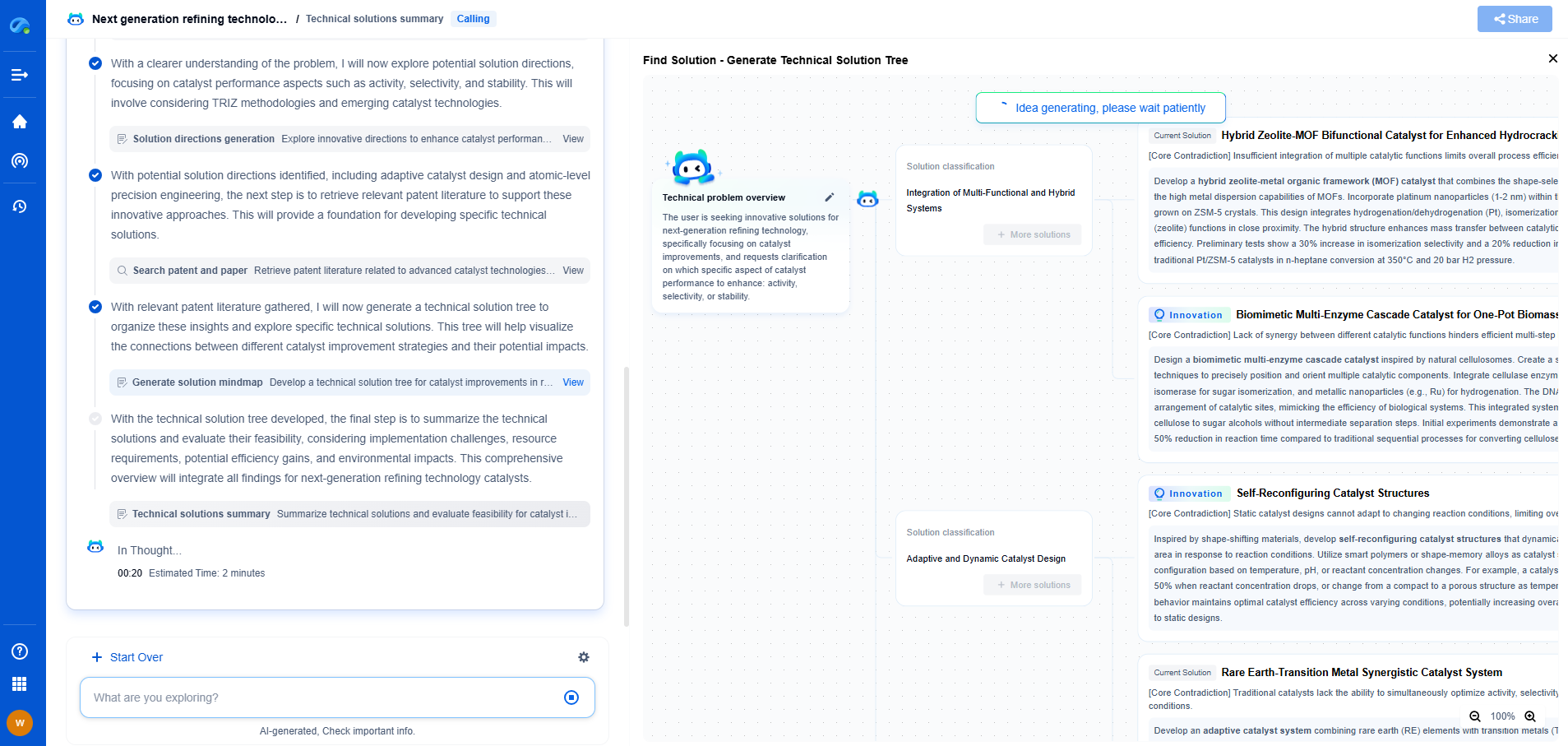
From 5G NR slicing to AI-driven RRM, today’s wireless communication networks are defined by unprecedented complexity and innovation velocity. Whether you’re optimizing handover reliability in ultra-dense networks, exploring mmWave propagation challenges, or analyzing patents for O-RAN interfaces, speed and precision in your R&D and IP workflows are more critical than ever.
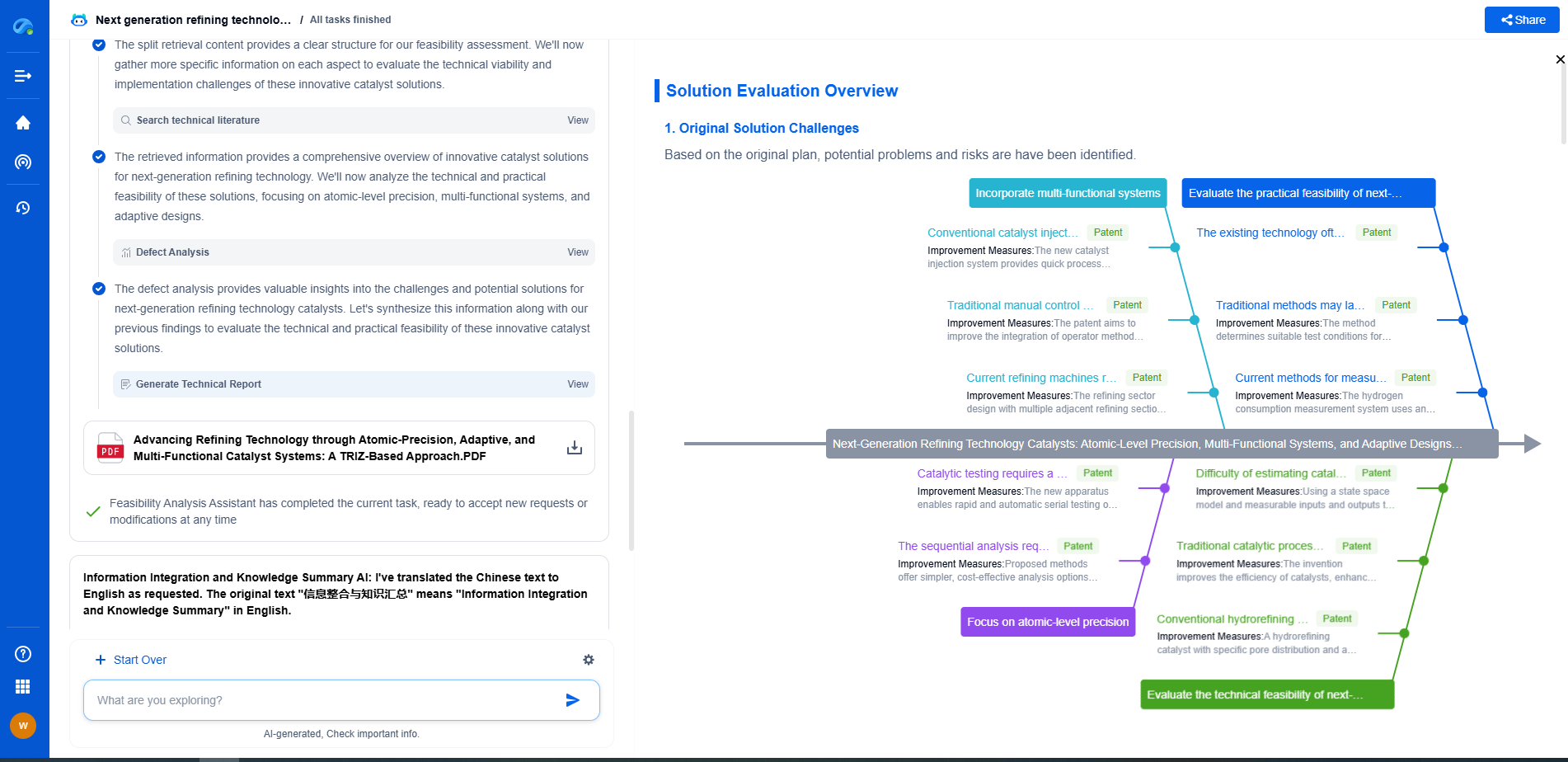
Patsnap Eureka, our intelligent AI assistant built for R&D professionals in high-tech sectors, empowers you with real-time expert-level analysis, technology roadmap exploration, and strategic mapping of core patents—all within a seamless, user-friendly interface.
Whether you work in network architecture, protocol design, antenna systems, or spectrum engineering, Patsnap Eureka brings you the intelligence to make faster decisions, uncover novel ideas, and protect what’s next.
🚀 Try Patsnap Eureka today and see how it accelerates wireless communication R&D—one intelligent insight at a time.