Key challenges in optimizing refinery energy use
JUN 19, 2025 |
Complexity of Refinery Processes
Refineries are complex systems with numerous interconnected processes, each requiring specific energy inputs. The variety of units such as distillation columns, crackers, and reformers, all have distinct energy demands and operational characteristics. The challenge lies in finding an optimal balance between these processes to minimize energy consumption without compromising the quality and output of the final products. Integrating advanced process control systems and employing process optimization techniques can help refineries manage this complexity by identifying inefficiencies and suggesting improvements.
Aging Infrastructure
Many refineries around the world are operating with aging infrastructure that was not designed with modern energy efficiency standards in mind. Older equipment tends to consume more energy and is often less reliable, leading to increased maintenance costs and downtime. Retrofitting existing facilities with energy-efficient technologies, such as heat exchangers and high-efficiency boilers, can offer substantial energy savings. However, the initial investment and potential disruption to operations can be significant barriers to implementation.
Variable Feedstock Quality
The quality of crude oil feedstock can vary widely, affecting the energy required for processing. Heavier, sour crudes typically require more energy to refine due to their higher sulfur content and greater viscosity. As the global supply of light crude diminishes, refineries must adapt to processing heavier feedstocks. This adaptation can involve significant changes to refinery configuration and operations, potentially increasing energy consumption. Developing flexible processing strategies and investing in technologies like hydrocracking and sulfur recovery units can help refineries manage variable feedstock quality more efficiently.
Regulatory and Environmental Constraints
Refineries are subject to stringent environmental regulations aimed at reducing emissions of greenhouse gases and other pollutants. While compliance is necessary, it can pose challenges to energy optimization. For example, emissions control technologies such as scrubbers and carbon capture systems can increase energy demands. Balancing regulatory compliance with energy efficiency requires careful planning and innovative solutions, such as integrating renewable energy sources or improving heat recovery and recycling processes.
Data Management and Analysis
Effective optimization of energy use in refineries relies on accurate data collection and analysis. However, the sheer volume of data generated by modern refineries can be overwhelming, and many facilities still rely on outdated systems for monitoring and analysis. Implementing advanced data analytics and digitalization tools can enhance the ability to track energy consumption and identify inefficiencies. These tools can also facilitate predictive maintenance, reducing unplanned downtime and further optimizing energy use.
Cultural and Organizational Challenges
Finally, one of the less tangible but equally important challenges in optimizing refinery energy use is the cultural and organizational mindset. Energy efficiency improvements often require changes in operational practices and employee behavior. Encouraging a culture of energy awareness and incorporating energy management into daily operations can be challenging but is crucial for long-term success. Training programs, incentive schemes, and clear communication of energy goals can support the development of an energy-conscious workforce.
In conclusion, optimizing energy use in refineries involves addressing a range of technical, regulatory, and organizational challenges. By leveraging advanced technologies, improving data management, and fostering a culture of energy efficiency, refineries can reduce their energy consumption, lower operational costs, and minimize their environmental footprint. As the energy landscape continues to evolve, ongoing innovation and adaptation will be key to overcoming these challenges and achieving sustainable refinery operations.
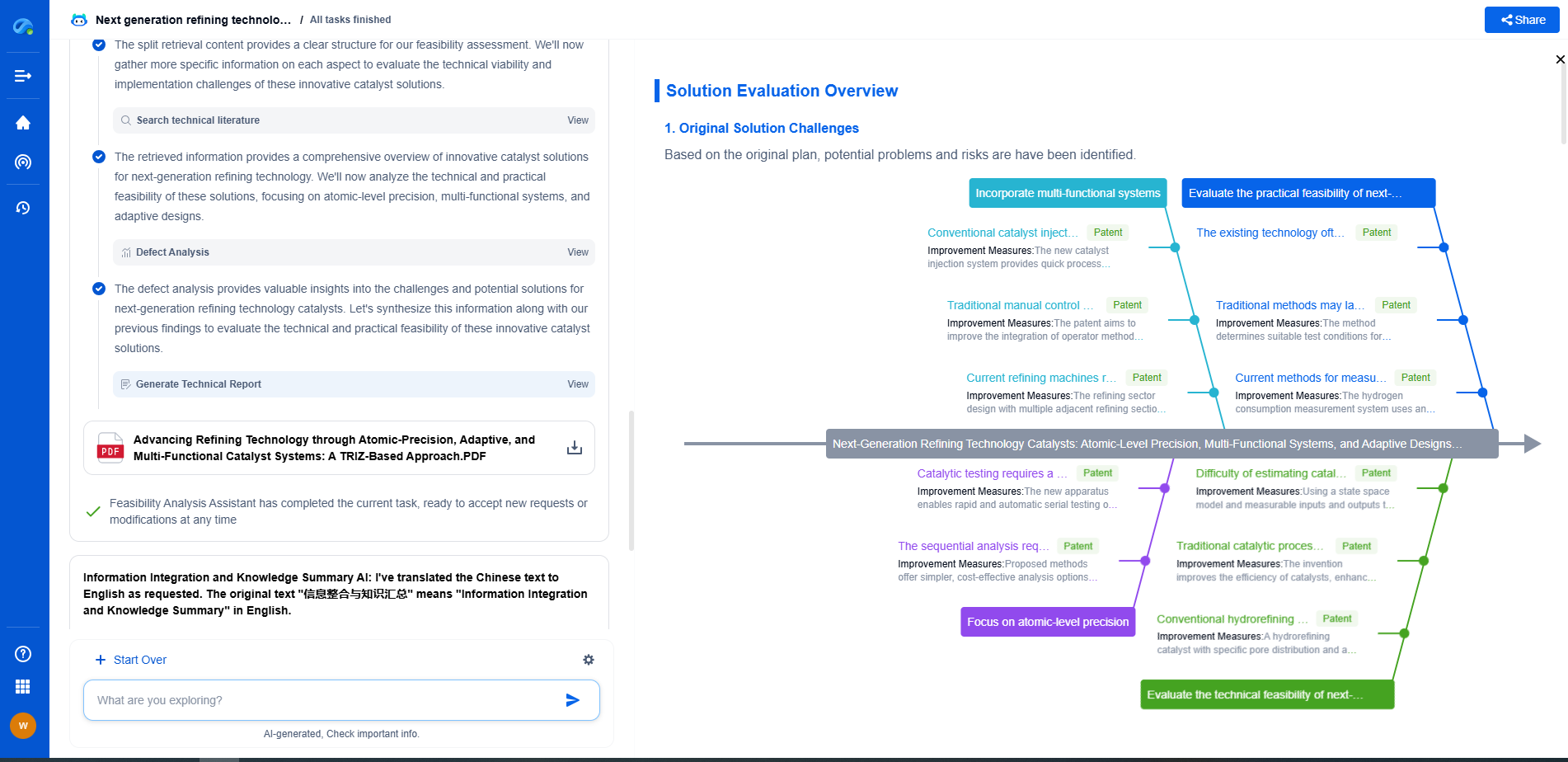
Discover Patsnap Eureka: AI Agents Built for Scientific Innovation
Whether you're designing the next generation of refining technologies or analyzing catalysts and process flows, keeping up with rapidly evolving research and IP data in petroleum processing is no easy task.
Patsnap Eureka, our intelligent AI assistant built for R&D professionals in high-tech sectors, empowers you with real-time expert-level analysis, technology roadmap exploration, and strategic mapping of core patents—all within a seamless, user-friendly interface.
Ready to accelerate your innovation process and make smarter, faster decisions? Discover Patsnap Eureka today and unlock the full power of confident, AI-driven innovation.