Lessons from Early 5G SMF/AMF Implementations
JUL 7, 2025 |
The evolution of mobile networks has reached a pivotal point with the deployment of 5G technology. Among its numerous advancements, the implementation of the Session Management Function (SMF) and Access and Mobility Management Function (AMF) are crucial for the seamless operation of 5G networks. Early implementations of these functions offer valuable lessons for network operators and technology providers. This blog delves into the key lessons learned from these early 5G SMF/AMF implementations.
Understanding SMF and AMF
Before diving into the lessons, it is essential to understand the roles of SMF and AMF in a 5G network. SMF is responsible for session management functions, such as session establishment, modification, and release, while also allocating network resources. On the other hand, AMF handles connection and mobility management, including user authentication, registration, and handover procedures. Together, these functions form the backbone of an efficient 5G network, managing the critical operations that enable high-speed connectivity and low latency.
Lesson 1: Interoperability is Key
One of the primary challenges faced during early implementations was ensuring interoperability between SMF, AMF, and existing network infrastructure. Network operators discovered the importance of having a robust testing framework to verify communication between various network elements. This includes SMF and AMF's interaction with radio networks, core networks, and edge devices. Successful implementations emphasized the need for standardized interfaces and protocols, ensuring that different vendors' equipment could seamlessly work together. Operators learned to prioritize interoperability from the outset, reducing integration headaches and ensuring smoother deployments.
Lesson 2: Scalability Needs Careful Planning
5G networks are designed to support an unprecedented number of devices and applications, from smartphones to IoT devices. Early SMF/AMF implementations highlighted the necessity of planning for scalability from the beginning. Network operators recognized the importance of deploying a flexible architecture that can handle increased traffic and user demands as 5G adoption grows. This involved choosing scalable hardware and software solutions, investing in network slicing capabilities, and implementing cloud-native approaches to allow for dynamic scaling according to network demands.
Lesson 3: Security Cannot Be an Afterthought
With 5G's promise of high-speed and low latency, the importance of security becomes even more pronounced. Early adopters of SMF/AMF faced significant challenges in ensuring robust security measures were in place. The complexity of 5G networks, combined with the diversity of connected devices, calls for advanced security protocols and real-time threat detection mechanisms. Network operators learned that integrating security at every layer of the network, from the core to the edge, is crucial. Furthermore, continuous monitoring and updating of security practices were emphasized to protect against evolving threats.
Lesson 4: Embrace Automation and AI
Automation and artificial intelligence (AI) have emerged as powerful tools in the management of 5G networks. Early implementations of SMF/AMF demonstrated the benefits of leveraging these technologies to enhance network efficiency and reliability. Automation aids in streamlining operations, such as resource allocation and fault management, reducing human intervention and potential errors. AI-driven analytics provide insights into network performance, enabling proactive measures to optimize operations and improve user experiences. Network operators learned that investing in automation and AI capabilities is essential for harnessing the full potential of 5G.
Lesson 5: Continuous Testing and Optimization
Finally, early 5G SMF/AMF implementations underscored the importance of continuous testing and optimization. The dynamic nature of 5G networks requires regular performance evaluations and adjustments. Network operators adopted a culture of ongoing testing to identify and address potential bottlenecks, ensuring optimal service delivery. Continuous feedback loops, involving both technical teams and end-users, played a vital role in refining network operations and achieving the high standards expected of 5G networks.
Conclusion
The early implementations of 5G SMF/AMF functions have provided invaluable insights into the complexities and challenges of deploying a next-generation mobile network. By focusing on interoperability, scalability, security, automation, and continuous optimization, network operators can overcome initial hurdles and maximize the benefits of 5G technology. As 5G continues to evolve, these lessons serve as a guide for future deployments, ensuring that the promise of faster, more reliable, and secure connectivity is fully realized.
Empower Your Wireless Innovation with Patsnap Eureka
From 5G NR slicing to AI-driven RRM, today’s wireless communication networks are defined by unprecedented complexity and innovation velocity. Whether you’re optimizing handover reliability in ultra-dense networks, exploring mmWave propagation challenges, or analyzing patents for O-RAN interfaces, speed and precision in your R&D and IP workflows are more critical than ever.
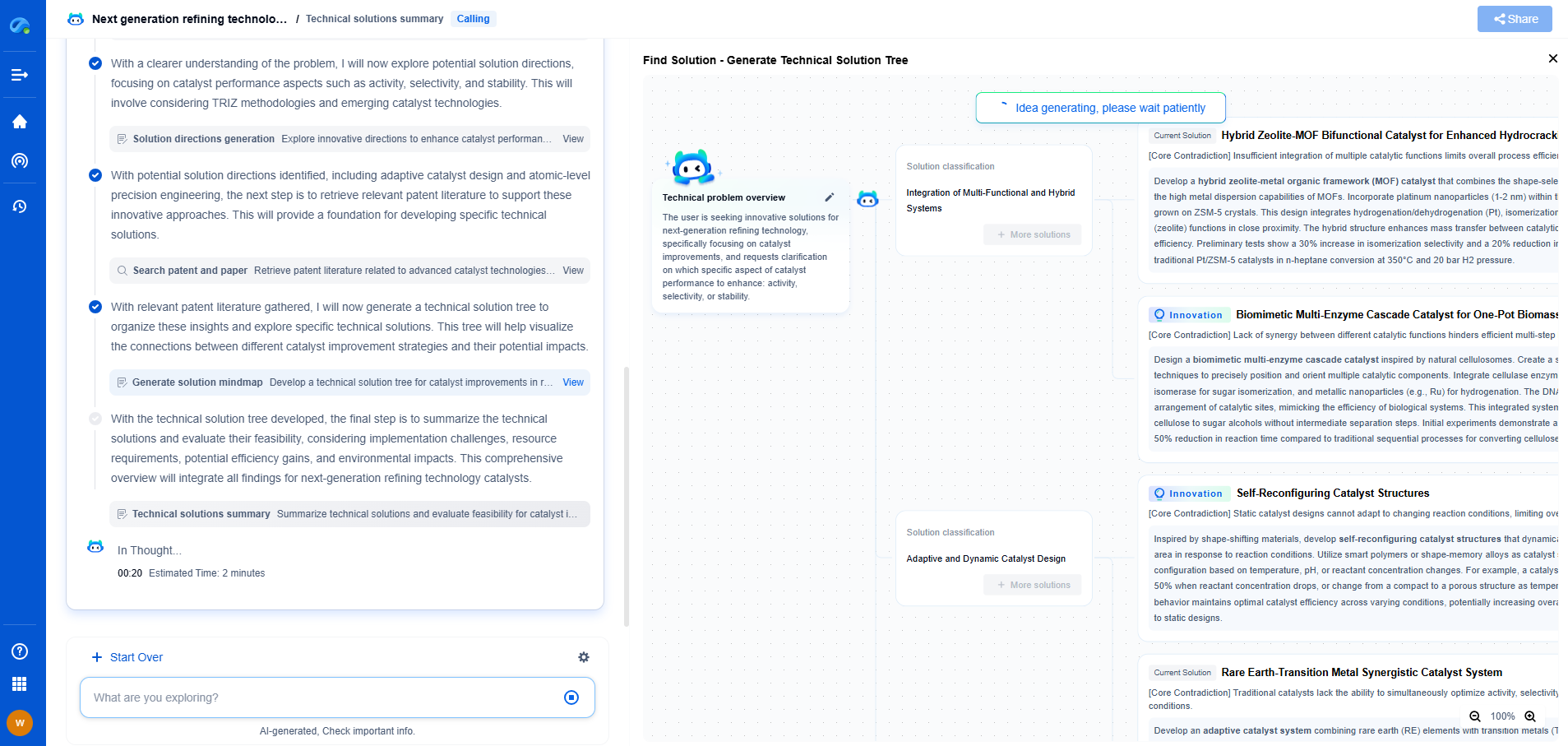
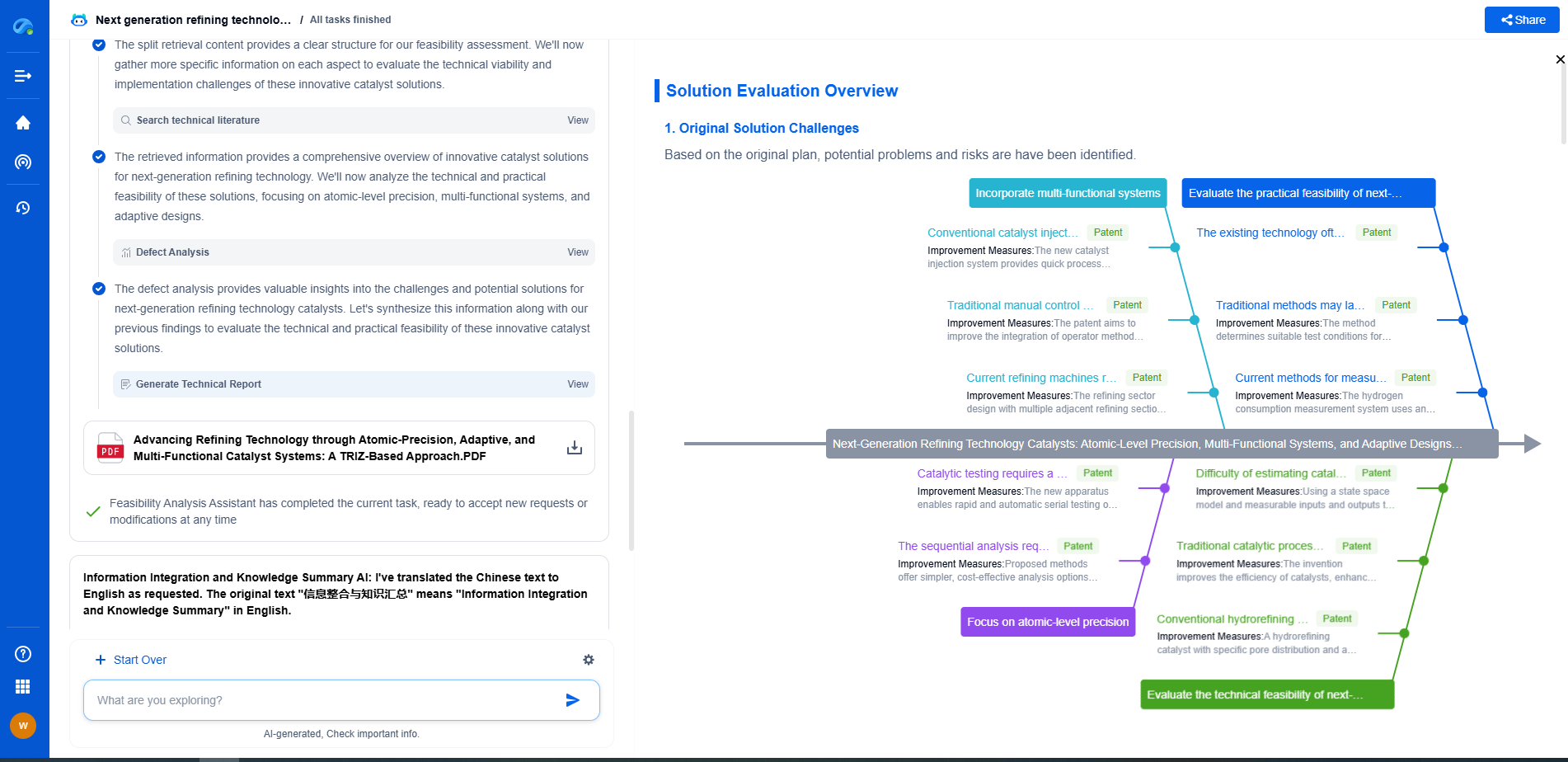
Patsnap Eureka, our intelligent AI assistant built for R&D professionals in high-tech sectors, empowers you with real-time expert-level analysis, technology roadmap exploration, and strategic mapping of core patents—all within a seamless, user-friendly interface.
Whether you work in network architecture, protocol design, antenna systems, or spectrum engineering, Patsnap Eureka brings you the intelligence to make faster decisions, uncover novel ideas, and protect what’s next.
🚀 Try Patsnap Eureka today and see how it accelerates wireless communication R&D—one intelligent insight at a time.