Managing Mobility in Industrial IoT Deployments
JUL 7, 2025 |
Understanding Mobility in Industrial IoT
Mobility in IIoT refers to the ability of devices, sensors, and data to move across different locations while maintaining seamless connectivity and functionality. This capability is essential for industries like manufacturing, logistics, and healthcare, where assets and operations frequently change locations. Mobile IIoT solutions enable real-time monitoring, data collection, and decision-making, all of which contribute to improved productivity and reduced downtime.
Challenges of Mobility in IIoT
1. Connectivity: Ensuring reliable and continuous connectivity is paramount. Disruptions in communication can lead to data loss, operational inefficiencies, and safety hazards. Choosing the right communication protocol, such as cellular, Wi-Fi, or LPWAN, is crucial to maintaining robust connectivity.
2. Data Security: Mobile devices and sensors are more susceptible to security threats. Protecting sensitive data from unauthorized access and breaches requires robust encryption and authentication protocols. It's essential to implement security measures that do not compromise performance or scalability.
3. Device Management: Managing a fleet of devices spread across different locations is challenging. It involves provisioning, configuring, updating, and troubleshooting devices remotely. Efficient device management systems are necessary to ensure minimal downtime and maximize productivity.
Strategies for Effective Mobility Management
1. Network Optimization: Deploying a hybrid network infrastructure that combines multiple communication technologies can enhance connectivity. Adaptive network solutions that switch seamlessly between available networks ensure continuous operation.
2. Edge Computing: By processing data closer to the source, edge computing reduces latency and bandwidth usage. This approach enhances the speed and reliability of data processing, crucial for mobile IIoT applications where quick decision-making is vital.
3. Advanced Data Analytics: Employ predictive analytics to foresee potential connectivity or performance issues. By analyzing patterns and trends, industries can proactively address problems before they impact operations.
4. Comprehensive Security Framework: Develop a multi-layered security strategy tailored to mobile environments. This includes endpoint security, secure data transmission, and regular security audits to ensure compliance with industry standards.
5. Scalable Device Management: Implement a centralized device management platform to oversee all mobile assets. This platform should support automated updates, real-time monitoring, and diagnostics to facilitate efficient management.
Future Trends in Mobile IIoT
As technology evolves, the landscape of mobile IIoT will undergo significant transformations. The integration of 5G technology promises faster and more reliable connectivity, which will enhance the capabilities of mobile IIoT applications. Additionally, advancements in AI and machine learning will enable smarter decision-making processes, further optimizing mobility management.
Conclusion
Managing mobility in Industrial IoT deployments is a complex but essential task that plays a pivotal role in ensuring the success of IoT initiatives. By understanding the challenges and implementing strategic solutions, industries can harness the full potential of mobile IIoT technologies. As we move towards a more connected future, the ability to manage mobility effectively will be a key differentiator in achieving operational excellence and competitive advantage. By embracing innovative strategies and leveraging emerging technologies, industries can transform their operations and thrive in the ever-evolving digital landscape.
Empower Your Wireless Innovation with Patsnap Eureka
From 5G NR slicing to AI-driven RRM, today’s wireless communication networks are defined by unprecedented complexity and innovation velocity. Whether you’re optimizing handover reliability in ultra-dense networks, exploring mmWave propagation challenges, or analyzing patents for O-RAN interfaces, speed and precision in your R&D and IP workflows are more critical than ever.
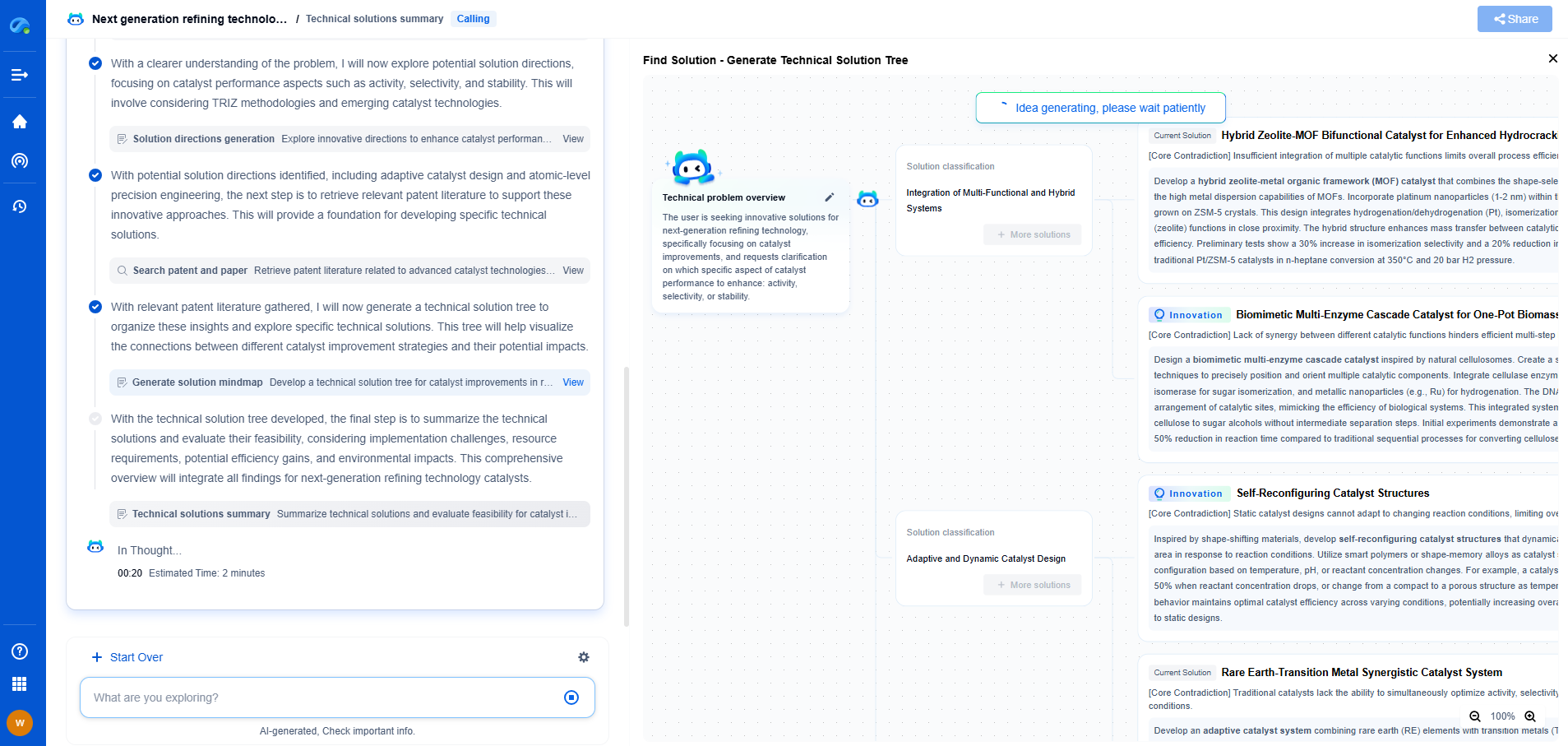
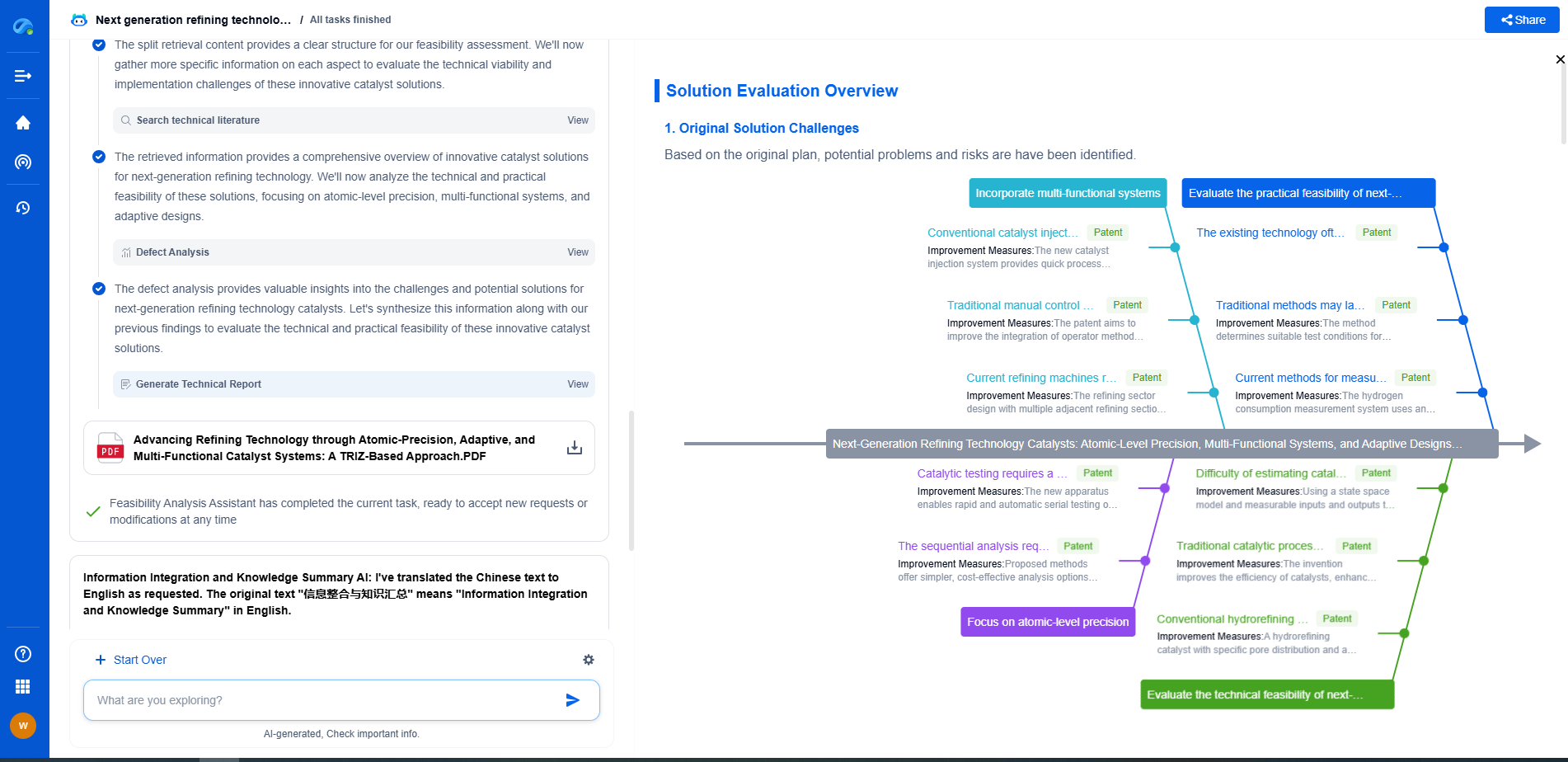
Patsnap Eureka, our intelligent AI assistant built for R&D professionals in high-tech sectors, empowers you with real-time expert-level analysis, technology roadmap exploration, and strategic mapping of core patents—all within a seamless, user-friendly interface.
Whether you work in network architecture, protocol design, antenna systems, or spectrum engineering, Patsnap Eureka brings you the intelligence to make faster decisions, uncover novel ideas, and protect what’s next.
🚀 Try Patsnap Eureka today and see how it accelerates wireless communication R&D—one intelligent insight at a time.