MMU misconfiguration: How to detect and debug memory access violations
JUL 4, 2025 |
The Memory Management Unit (MMU) plays a crucial role in modern computing systems by managing access to memory, translating virtual addresses to physical addresses, and enforcing protection mechanisms. When the MMU is misconfigured, it can lead to memory access violations, causing system crashes and unpredictable behavior. Understanding the common causes of MMU misconfiguration and how to detect and debug these issues is vital for maintaining system stability.
Common Causes of MMU Misconfiguration
Misconfigurations in the MMU can stem from several sources. One common issue is incorrect memory permissions, where a segment of memory is incorrectly marked as readable, writable, or executable. Another potential problem is improper address translations, which can cause memory accesses to reference unintended locations. Configuration errors in the page tables or the translation lookaside buffer (TLB) can also contribute to these problems, resulting in memory access violations.
Detecting Memory Access Violations
Detecting memory access violations early is crucial for debugging and resolving MMU misconfigurations. Several symptoms can indicate a problem, such as segmentation faults, bus errors, or system crashes. Employing diagnostic tools like debuggers and memory analyzers can help identify the root cause of the violation. These tools can trace memory accesses and reveal where invalid accesses are occurring, aiding in pinpointing misconfigurations.
Debugging Techniques
Once a memory access violation is detected, debugging the issue involves a systematic approach. First, review the configuration of the MMU, focusing on the page tables and permissions associated with the affected memory regions. Ensure that memory regions are correctly mapped with appropriate permissions.
Next, analyze the address translation process. Verify that the virtual addresses are correctly mapped to the intended physical addresses. Examine the configuration of the TLB and ensure that it accurately reflects the desired mappings.
Using simulation tools or emulators can be beneficial for replicating the issue in a controlled environment. These tools allow for detailed analysis of the MMU's behavior and can help identify any discrepancies in its configuration.
Best Practices for MMU Configuration
Preventing MMU misconfiguration requires adherence to best practices in system design and development. Regularly review and update memory management configurations to reflect changes in system architecture or operating requirements. Implement thorough testing and validation procedures to catch potential issues before they manifest in production environments.
Additionally, maintain comprehensive documentation of the memory management setup. This documentation should include details about the page table configurations, memory permissions, and address translation schemes. Clear documentation allows for easier troubleshooting and modification of the MMU configuration when necessary.
Conclusion
Memory access violations caused by MMU misconfigurations can have significant impacts on system stability and performance. By understanding the common causes of these issues and employing effective detection and debugging techniques, developers and system administrators can mitigate the risks associated with MMU misconfigurations. Through diligent configuration, testing, and documentation, systems can achieve robust memory management, ensuring reliable operation and preventing costly downtime.
Accelerate Breakthroughs in Computing Systems with Patsnap Eureka
From evolving chip architectures to next-gen memory hierarchies, today’s computing innovation demands faster decisions, deeper insights, and agile R&D workflows. Whether you’re designing low-power edge devices, optimizing I/O throughput, or evaluating new compute models like quantum or neuromorphic systems, staying ahead of the curve requires more than technical know-how—it requires intelligent tools.
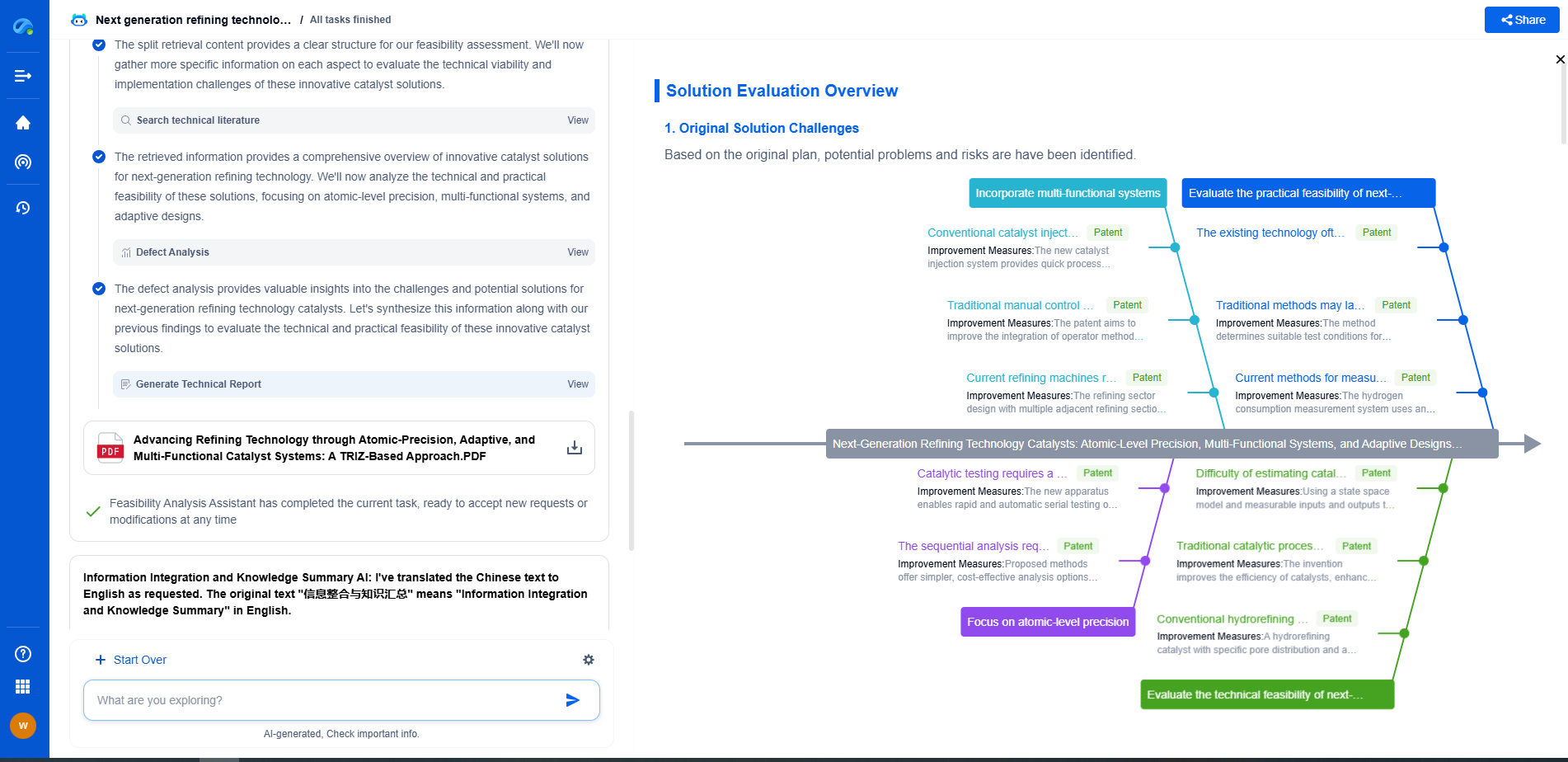
Patsnap Eureka, our intelligent AI assistant built for R&D professionals in high-tech sectors, empowers you with real-time expert-level analysis, technology roadmap exploration, and strategic mapping of core patents—all within a seamless, user-friendly interface.
Whether you’re innovating around secure boot flows, edge AI deployment, or heterogeneous compute frameworks, Eureka helps your team ideate faster, validate smarter, and protect innovation sooner.
🚀 Explore how Eureka can boost your computing systems R&D. Request a personalized demo today and see how AI is redefining how innovation happens in advanced computing.