Mobility Challenges in Private 5G Networks
JUL 7, 2025 |
Private 5G networks are increasingly becoming the backbone of advanced communication systems for enterprises, offering unprecedented speed, reliability, and flexibility. Unlike public 5G networks, which serve a wide range of users, private 5G networks are tailored to meet the specific needs of an organization, providing enhanced security, customized coverage, and control over data traffic. However, while private 5G networks promise significant advantages, they also introduce unique mobility challenges that need to be addressed to fully leverage their potential.
Understanding Mobility in Private 5G
Mobility in 5G networks refers to the seamless movement of devices across different network areas without losing connectivity. This is especially crucial in enterprise environments where mobile devices, sensors, and IoT devices are constantly on the move. Private 5G networks, despite their controlled settings, face distinct mobility challenges due to their bespoke nature and the diverse applications they support.
Challenge 1: Seamless Handover
One of the primary mobility challenges in private 5G networks is ensuring seamless handover between network nodes, especially in environments with high-speed or frequent device movement. Unlike public networks that are designed to handle large-scale handovers, private networks often require customized solutions to manage transitions between different access points or cell towers. This demands sophisticated algorithms to anticipate device movement and ensure uninterrupted connectivity.
Challenge 2: Coverage Optimization
Ensuring optimal coverage in private 5G networks is another significant mobility challenge. Enterprises must strategically place their network infrastructure to provide consistent coverage while minimizing interference and dead zones. This becomes increasingly complex in facilities with dynamic layouts or large geographical areas, such as manufacturing plants or campus environments, where obstacles and movement patterns can disrupt signal propagation.
Challenge 3: Device Management and Compatibility
Private 5G networks cater to a wide array of devices, ranging from mobile phones to IoT sensors, each with varying connectivity requirements. Ensuring compatibility and efficient management of these devices poses a mobility challenge, as the network must dynamically adapt to different connection protocols and bandwidth needs. Enterprises must invest in robust network management systems that can handle diverse device ecosystems and maintain high performance standards.
Challenge 4: Security Concerns
Mobility in private 5G networks also raises security concerns. As devices move across the network, maintaining secure authentication and continuous data protection becomes critical. This necessitates advanced security protocols and real-time monitoring to prevent unauthorized access and data breaches, especially in industries dealing with sensitive information or critical infrastructure.
Solutions to Address Mobility Challenges
To overcome these mobility challenges, enterprises must adopt a comprehensive approach:
1. Advanced Network Planning: Strategic planning of network infrastructure, including the use of AI-driven analytics, can optimize coverage and anticipate mobility patterns, ensuring seamless connectivity.
2. Edge Computing Integration: Implementing edge computing can reduce latency and improve response times, facilitating smoother handover and device management.
3. Robust Security Frameworks: Developing strong security protocols that can adapt to changing mobility scenarios will help protect data integrity and device authentication.
4. Regular Network Audits: Conducting regular audits and updates to network systems will enable enterprises to keep pace with technological advancements and evolving mobility needs.
Conclusion
While private 5G networks offer substantial benefits for businesses, addressing their mobility challenges is crucial to unlocking their full potential. By understanding these challenges and implementing effective solutions, enterprises can ensure that their private 5G networks deliver seamless, secure, and efficient connectivity, paving the way for innovation and enhanced operational capabilities.
Empower Your Wireless Innovation with Patsnap Eureka
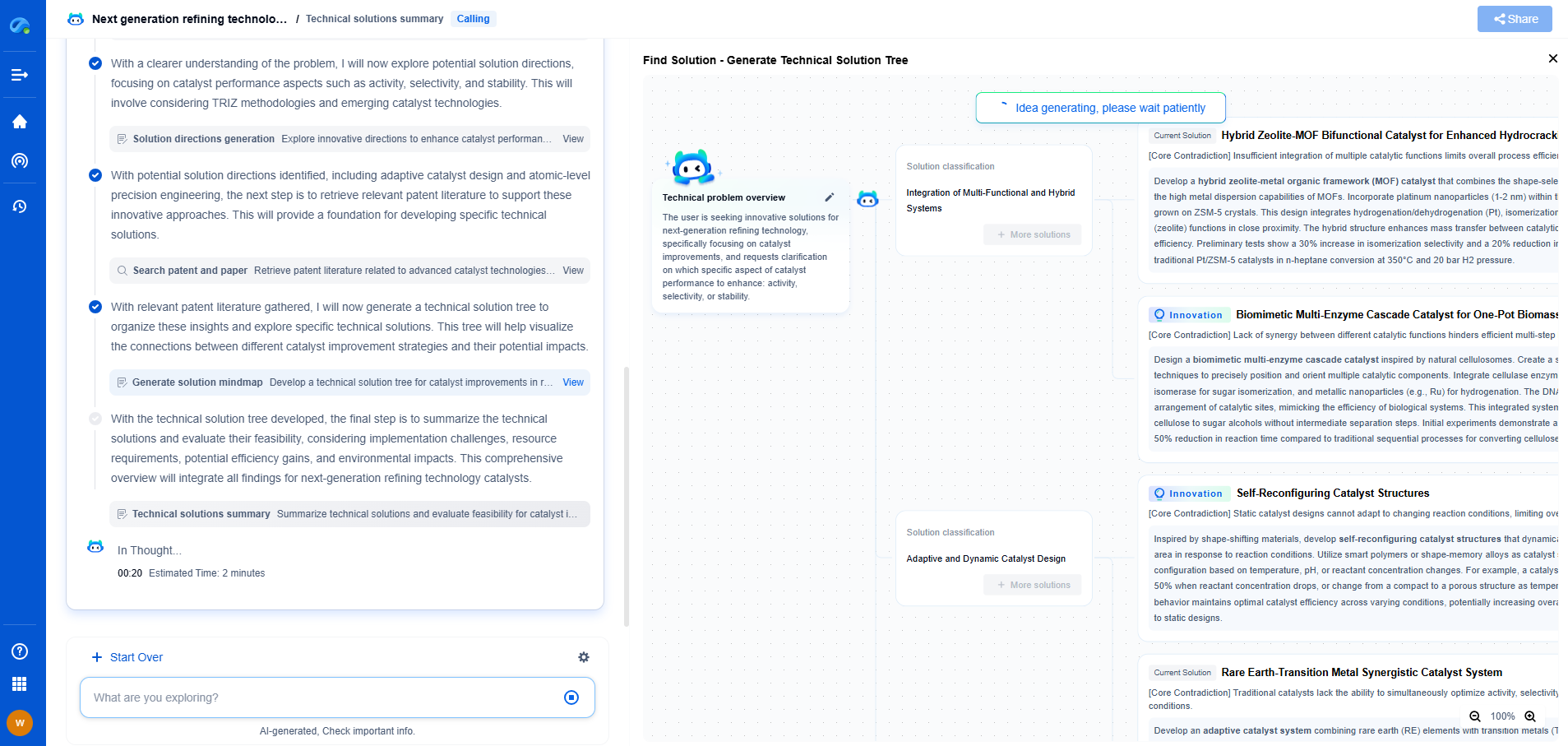
From 5G NR slicing to AI-driven RRM, today’s wireless communication networks are defined by unprecedented complexity and innovation velocity. Whether you’re optimizing handover reliability in ultra-dense networks, exploring mmWave propagation challenges, or analyzing patents for O-RAN interfaces, speed and precision in your R&D and IP workflows are more critical than ever.
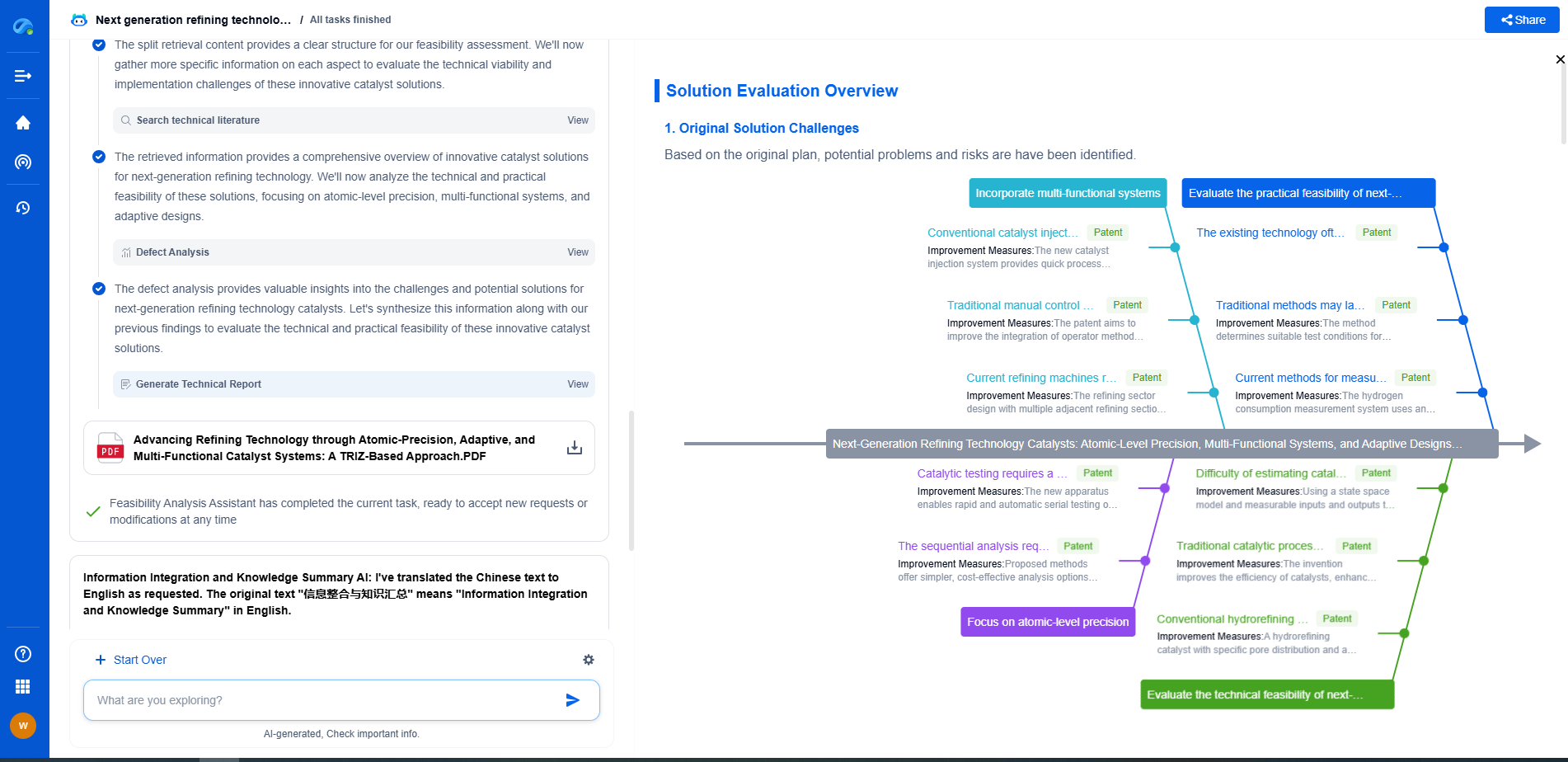
Patsnap Eureka, our intelligent AI assistant built for R&D professionals in high-tech sectors, empowers you with real-time expert-level analysis, technology roadmap exploration, and strategic mapping of core patents—all within a seamless, user-friendly interface.
Whether you work in network architecture, protocol design, antenna systems, or spectrum engineering, Patsnap Eureka brings you the intelligence to make faster decisions, uncover novel ideas, and protect what’s next.
🚀 Try Patsnap Eureka today and see how it accelerates wireless communication R&D—one intelligent insight at a time.