Network Slicing 101: Creating Multiple Virtual Networks on One Physical Infrastructure
JUL 7, 2025 |
Network slicing is a revolutionary technology that allows multiple virtual networks to be created on a single physical infrastructure. This capability is crucial in the era of 5G, where diverse applications require different network characteristics. But what exactly is network slicing, and how does it work?
Understanding the Basics
At its core, network slicing involves partitioning a physical network into multiple, isolated virtual networks. Each slice can be tailored to meet specific performance requirements, such as speed, latency, and capacity. This means that a network slice for a smart factory can be customized for ultra-reliable low-latency communication, while another slice for streaming services can be optimized for high bandwidth.
How Network Slicing Works
The concept of network slicing relies heavily on software-defined networking (SDN) and network function virtualization (NFV). SDN allows network administrators to manage network services through abstraction of lower-level functionality, while NFV enables network functions to run as software on standardized hardware. Together, they allow the creation, customization, and management of network slices.
Each network slice operates as a separate entity, with its own resources and management policies. This isolation ensures that the performance of one slice does not affect others, even though they share the same physical infrastructure.
Applications and Use Cases
Network slicing is heralded as a game-changer for various industries, offering tailored solutions for different needs. In the automotive industry, for instance, autonomous vehicles can benefit from dedicated slices for vehicle-to-everything (V2X) communication, crucial for safety and efficiency.
In healthcare, network slicing enables telemedicine applications, where high-definition video consultations require high bandwidth, while remote monitoring devices necessitate low-latency connections. Similarly, in the entertainment industry, network slices can be optimized for augmented and virtual reality experiences, offering seamless and immersive user experiences.
Benefits of Network Slicing
The primary advantage of network slicing is its ability to offer customized connectivity solutions on a single infrastructure, leading to optimal resource utilization. It enhances operational efficiency by reducing the need for multiple physical networks, thus saving costs.
Moreover, network slicing provides enhanced quality of service (QoS) for different applications. By allocating dedicated resources, it ensures that critical applications receive the necessary bandwidth and latency requirements, leading to improved performance and user satisfaction.
Challenges and Considerations
Despite its potential, network slicing comes with its own set of challenges. Security is a paramount concern, as slices must be isolated and protected from potential cyber threats. Ensuring interoperability between different slices and maintaining consistent service quality are other significant challenges.
Additionally, the complexity of managing multiple slices and the requirement for sophisticated orchestration tools can pose operational challenges. Service providers must invest in advanced software and hardware solutions to efficiently manage and scale network slices.
The Future of Network Slicing
As network slicing continues to evolve, it promises to reshape the landscape of telecommunications and beyond. It holds the key to unlocking the full potential of 5G and future network technologies by providing flexible, scalable, and efficient connectivity solutions.
Continued advancements in SDN and NFV, along with enhanced security measures, will further strengthen network slicing capabilities. As more industries adopt this technology, it will drive innovation and create new opportunities in the digital economy.
In conclusion, network slicing stands at the forefront of networking technology, enabling the creation of multiple virtual networks on a single infrastructure. Its ability to provide tailored network solutions will become increasingly vital as the demand for diverse and specialized applications grows.
Empower Your Wireless Innovation with Patsnap Eureka
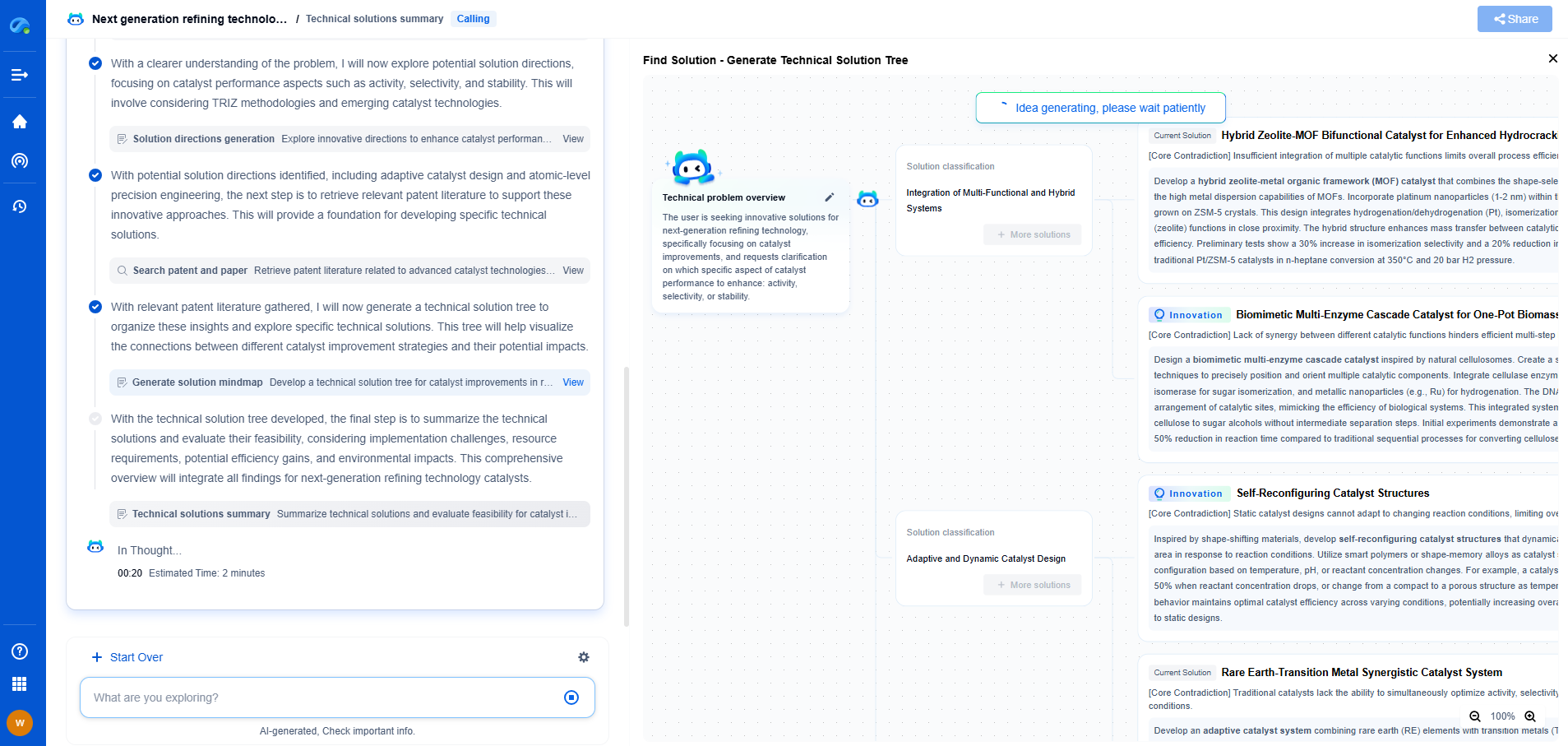
From 5G NR slicing to AI-driven RRM, today’s wireless communication networks are defined by unprecedented complexity and innovation velocity. Whether you’re optimizing handover reliability in ultra-dense networks, exploring mmWave propagation challenges, or analyzing patents for O-RAN interfaces, speed and precision in your R&D and IP workflows are more critical than ever.
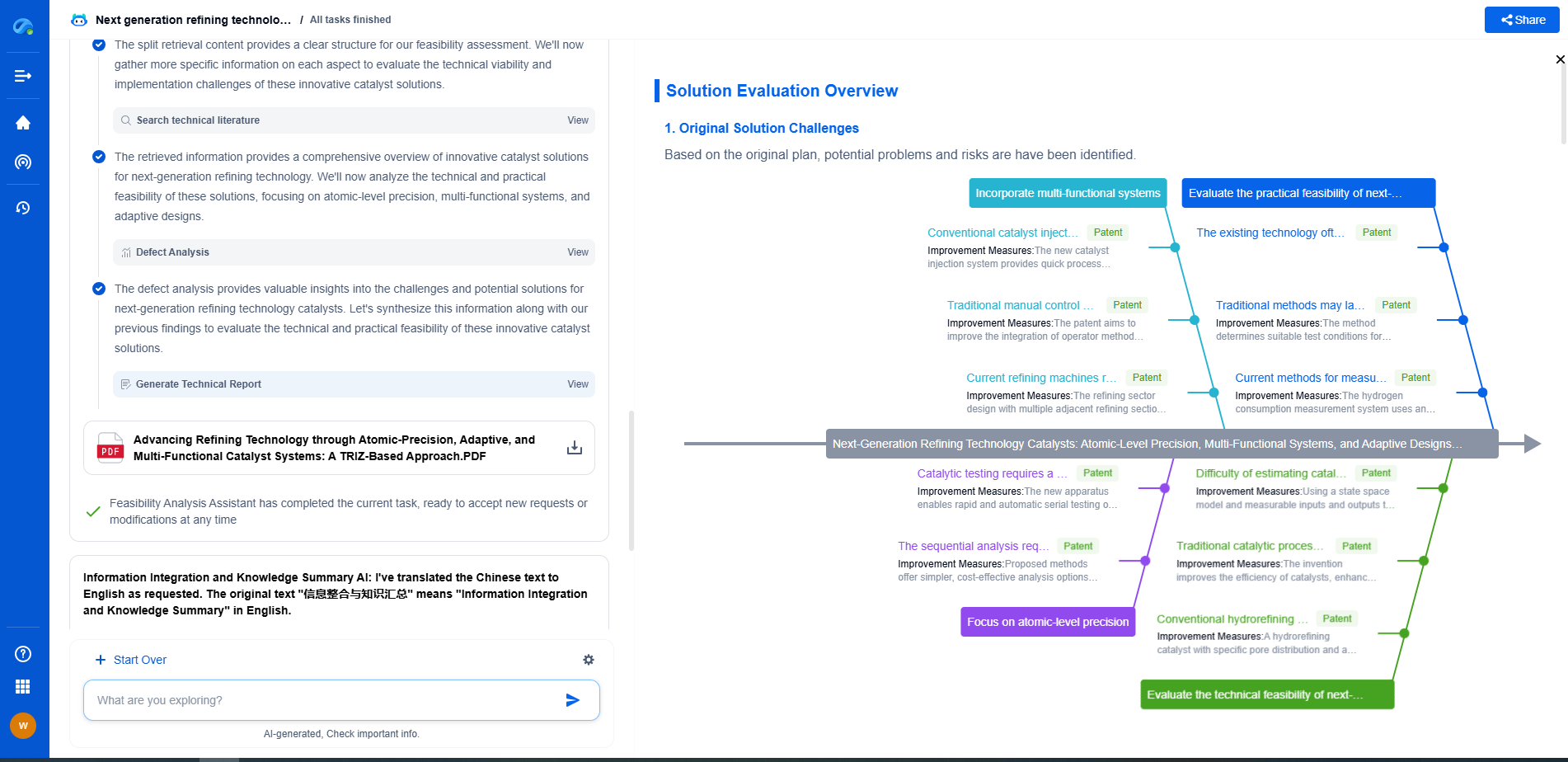
Patsnap Eureka, our intelligent AI assistant built for R&D professionals in high-tech sectors, empowers you with real-time expert-level analysis, technology roadmap exploration, and strategic mapping of core patents—all within a seamless, user-friendly interface.
Whether you work in network architecture, protocol design, antenna systems, or spectrum engineering, Patsnap Eureka brings you the intelligence to make faster decisions, uncover novel ideas, and protect what’s next.
🚀 Try Patsnap Eureka today and see how it accelerates wireless communication R&D—one intelligent insight at a time.