Optimizing VGO Yields in Vacuum Distillation Units
JUN 19, 2025 |
In the refining industry, optimizing the yield of valuable products is a constant endeavor. One of the critical components in this process is the Vacuum Distillation Unit (VDU), which plays a pivotal role in enhancing the efficiency and profitability of oil refineries. Among the various fractions produced in a VDU, Vacuum Gas Oil (VGO) is of significant interest due to its high demand and economic value as a feedstock for further processing in Fluid Catalytic Cracking (FCC) units. This blog delves into strategies and considerations for optimizing VGO yields in vacuum distillation units to maximize output and minimize losses.
Understanding VGO Yield Optimization
The yield of VGO in a vacuum distillation process is influenced by a range of factors, including feedstock quality, operational parameters, and equipment design. Maximizing VGO yield is not merely about increasing the quantity of VGO produced but also about ensuring the quality aligns with downstream processing requirements. An optimal balance must be struck between maximizing quantity and maintaining quality standards.
Feedstock Quality and Preparation
The quality of the crude oil feedstock significantly impacts the VGO yield. Heavy crudes and those with higher sulfur content or contaminants can affect distillation efficiency. Therefore, feedstock selection and preparation are critical first steps. Blending crude oils to achieve a desirable quality, pre-treating the feedstock to remove impurities, and using desalting techniques can enhance the distillation process. Ensuring the feedstock is preheated adequately before entering the VDU can also improve separation efficiency and enhance VGO yield.
Operational Parameters and Control
Optimizing operational parameters is crucial for maximizing VGO yields. Key parameters include temperature, pressure, and reflux ratio. Maintaining an optimal vacuum pressure is essential to facilitate the separation of heavier hydrocarbons at lower temperatures, which prevents thermal cracking and preserves product quality. Adjusting the temperature profile within the distillation column and optimizing the reflux ratio are vital for enhancing separation and maximizing VGO recovery.
Advanced Control Systems
The integration of advanced control systems can significantly enhance the performance of vacuum distillation units. Implementing process control technologies such as Distributed Control Systems (DCS) and Advanced Process Control (APC) can provide real-time monitoring and adjustments, ensuring the VDU operates under optimal conditions. These systems help maintain consistent product quality, reduce energy consumption, and increase overall yield efficiency.
Equipment Design and Maintenance
The design and maintenance of the distillation equipment impact operational efficiency and yield optimization. Columns should be designed to provide adequate contact between vapor and liquid phases, enabling efficient separation. Maintaining the mechanical integrity of the column internals, such as trays and packings, is essential to prevent malfunctions and inefficiencies. Regular inspection and maintenance routines are necessary to avoid fouling and corrosion, which can adversely affect distillation performance.
Energy Efficiency and Process Integration
Optimizing energy usage in vacuum distillation units is not just an environmental concern but also a cost-saving measure. Implementing energy-efficient technologies and practices, such as heat integration and waste heat recovery, can reduce energy consumption and improve overall process efficiency. Integrating the VDU with other refinery processes, like hydrogen generation units and FCC units, can create synergies that enhance both energy efficiency and yield optimization.
Conclusion: Balancing Yield and Quality
Optimizing VGO yields in vacuum distillation units requires a holistic approach that considers feedstock quality, operational parameters, equipment design, and energy efficiency. By carefully managing these factors and implementing advanced technologies, refineries can maximize their VGO output while ensuring the quality meets the requirements for downstream processing. Ultimately, achieving the right balance between yield and quality is key to enhancing the profitability and sustainability of refining operations.
Discover Patsnap Eureka: AI Agents Built for Scientific Innovation
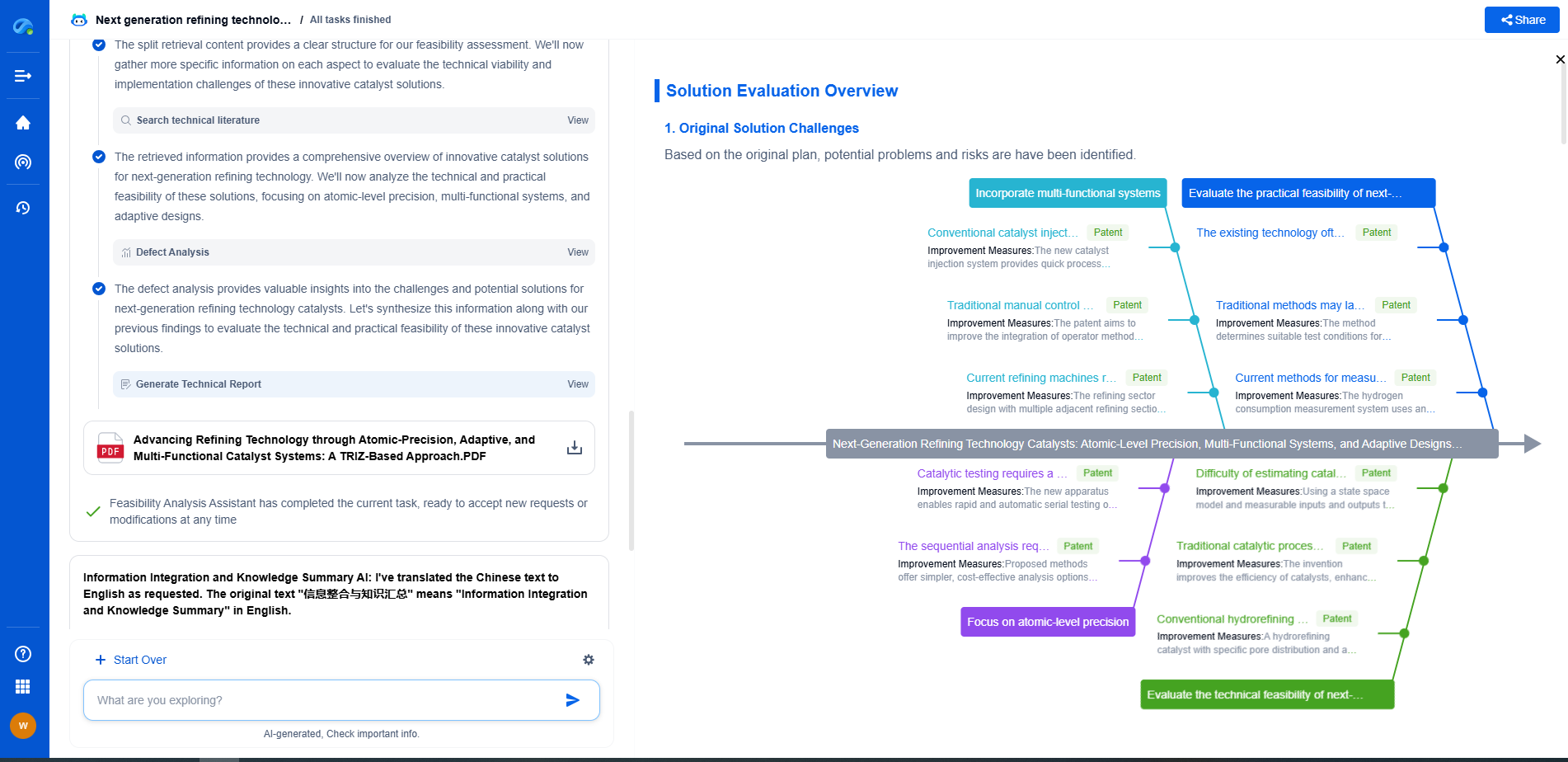
Whether you're designing the next generation of refining technologies or analyzing catalysts and process flows, keeping up with rapidly evolving research and IP data in petroleum processing is no easy task.
Patsnap Eureka, our intelligent AI assistant built for R&D professionals in high-tech sectors, empowers you with real-time expert-level analysis, technology roadmap exploration, and strategic mapping of core patents—all within a seamless, user-friendly interface.
Ready to accelerate your innovation process and make smarter, faster decisions? Discover Patsnap Eureka today and unlock the full power of confident, AI-driven innovation.