Preventing Fake Base Station Attacks with Strong Authentication
JUL 7, 2025 |
Understanding Fake Base Station Attacks
Fake base stations exploit vulnerabilities in mobile networks by mimicking legitimate cell towers. These rogue stations deceive nearby mobile devices into connecting to them instead of the official network. Once connected, attackers can monitor and manipulate communications. The implications are severe, ranging from privacy breaches to potential financial theft and identity fraud.
The Role of Authentication in Cellular Networks
Authentication is the process of verifying the identity of devices and users within a network. In the context of cellular networks, strong authentication ensures that mobile devices communicate only with legitimate base stations. This is crucial in thwarting fake base station attacks, as it prevents unauthorized interception and manipulation of data.
Types of Authentication Techniques
Several authentication techniques can be employed to enhance security against fake base station attacks:
1. **Mutual Authentication**: This involves verifying the identities of both the mobile device and the base station. By ensuring that both parties authenticate each other, mutual authentication prevents devices from connecting to rogue stations.
2. **Public Key Infrastructure (PKI)**: PKI leverages digital certificates and public-private key pairs to secure communications. By assigning unique keys to each base station, the network can verify their authenticity, ensuring that only legitimate stations are trusted.
3. **SIM-Based Authentication**: The Subscriber Identity Module (SIM) card can be used as a secure element to authenticate devices. By storing cryptographic keys on the SIM, mobile networks can authenticate devices based on their SIM credentials.
Implementing Strong Authentication
Implementing strong authentication involves a multi-layered approach. Network providers must ensure that both the infrastructure and the end-user devices are equipped with robust security measures. This includes:
- **Updating Network Protocols**: Protocols like LTE and 5G should be regularly updated to incorporate the latest security standards and authentication methods.
- **Educating Users**: Users should be informed about the risks of fake base stations and encouraged to use secure communication methods, such as VPNs, for critical data transmission.
- **Deploying Advanced Encryption**: Advanced encryption techniques should be employed to secure data transmissions, making it more difficult for attackers to intercept and decipher communications even if they manage to connect a device to a fake base station.
Challenges and Future Directions
Despite the effectiveness of strong authentication, there are challenges in its implementation. One major hurdle is the compatibility of older devices with new security protocols. As technology evolves, ensuring that all devices within a network can support strong authentication measures is crucial.
Looking ahead, the development of quantum-resistant cryptographic techniques and the integration of artificial intelligence in threat detection can further bolster defenses against fake base station attacks. By staying ahead of emerging threats and adopting cutting-edge technologies, mobile networks can protect users from the dangers posed by rogue stations.
In conclusion, preventing fake base station attacks requires a concerted effort towards implementing strong authentication mechanisms. By understanding the nature of these attacks and leveraging advanced security techniques, we can safeguard our communications and ensure the privacy and security of mobile users.
Empower Your Wireless Innovation with Patsnap Eureka
From 5G NR slicing to AI-driven RRM, today’s wireless communication networks are defined by unprecedented complexity and innovation velocity. Whether you’re optimizing handover reliability in ultra-dense networks, exploring mmWave propagation challenges, or analyzing patents for O-RAN interfaces, speed and precision in your R&D and IP workflows are more critical than ever.
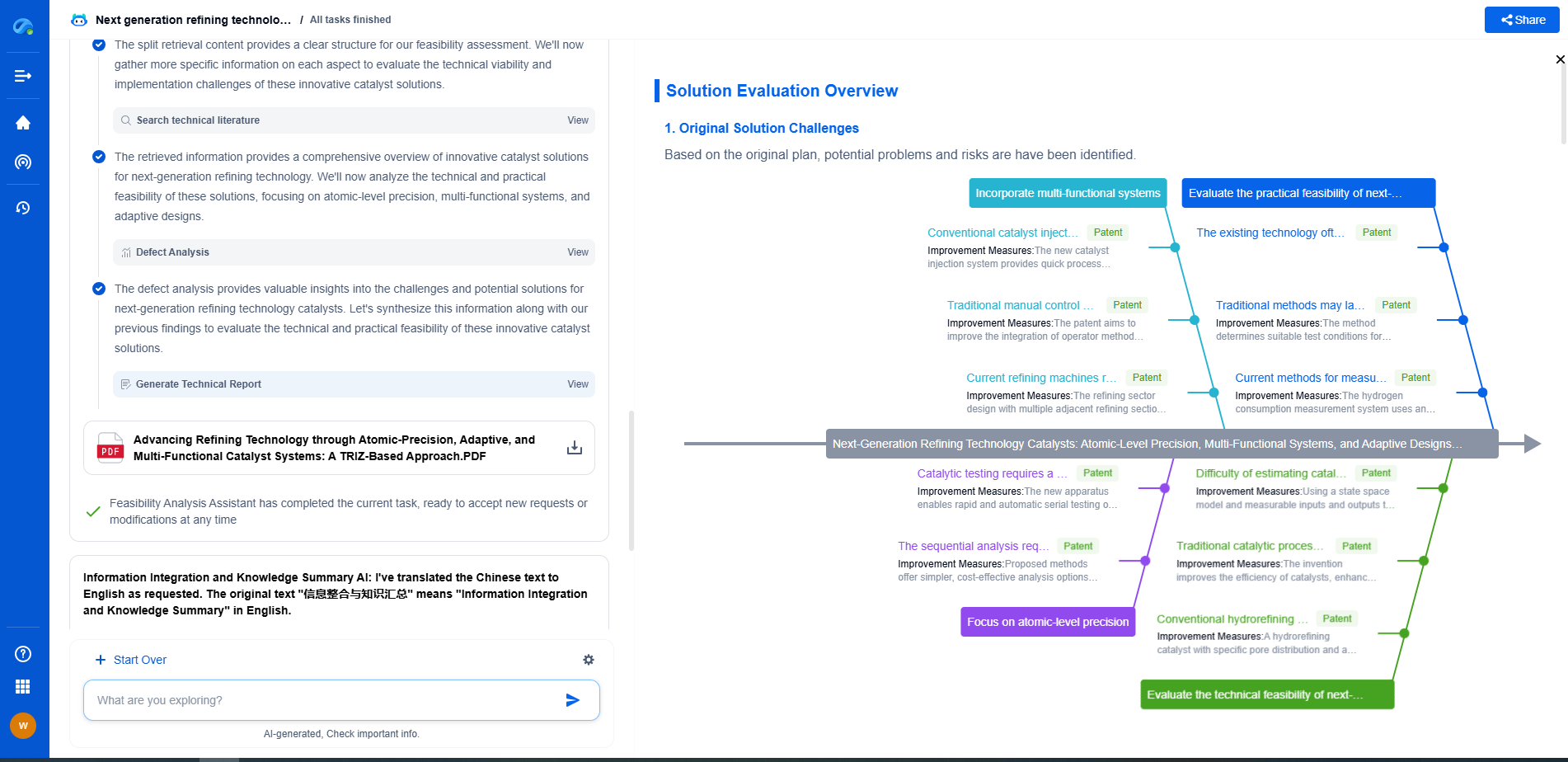
Patsnap Eureka, our intelligent AI assistant built for R&D professionals in high-tech sectors, empowers you with real-time expert-level analysis, technology roadmap exploration, and strategic mapping of core patents—all within a seamless, user-friendly interface.
Whether you work in network architecture, protocol design, antenna systems, or spectrum engineering, Patsnap Eureka brings you the intelligence to make faster decisions, uncover novel ideas, and protect what’s next.
🚀 Try Patsnap Eureka today and see how it accelerates wireless communication R&D—one intelligent insight at a time.