Reducing CPU load through interrupt handling techniques
JUL 4, 2025 |
In the world of computing, optimizing CPU load is paramount for achieving high efficiency and performance. A critical aspect of this optimization revolves around the effective handling of interrupts. Interrupts are signals that inform the processor of high-priority tasks requiring immediate attention, interrupting its current operations. While they are indispensable for responsive systems, poor interrupt handling can lead to increased CPU load, resulting in sluggish performance and power inefficiency. This article delves into techniques to reduce CPU load through effective interrupt handling.
The Role of Interrupts in System Performance
Interrupts play a vital role in ensuring that processors can handle multiple tasks efficiently by interrupting the normal flow of execution to address critical tasks as they arise. This mechanism is essential for real-time processing and multitasking environments. However, each interrupt triggers a context switch, which can be resource-intensive if not managed properly. Thus, optimizing how interrupts are handled can significantly reduce CPU load and improve overall system performance.
Techniques for Efficient Interrupt Handling
1. **Prioritization of Interrupts**
One of the most effective ways to manage CPU load is by prioritizing interrupts. Not all interrupts are created equal; some require immediate attention, while others can wait. By assigning priority levels to different interrupts, systems can ensure that only the most critical processes are handled immediately. This prioritization helps prevent the CPU from being overwhelmed by a multitude of low-priority tasks.
2. **Batch Processing of Interrupts**
Instead of handling each interrupt individually, systems can process them in batches. This technique involves accumulating interrupts and processing them collectively at a scheduled time. Batch processing reduces the frequency of context switches, thus lowering CPU overhead and enhancing efficiency. It is particularly useful in environments where similar interrupts occur frequently.
3. **Interrupt Throttling**
Interrupt throttling involves controlling the rate at which interrupts are allowed to occur. By setting thresholds, systems can limit the number of interrupts within a given timeframe. This technique prevents CPU saturation caused by a flood of interrupts, ensuring that resources are allocated to essential tasks without unnecessary interruptions.
4. **Using Interrupt Coalescing**
Interrupt coalescing is a technique used to combine multiple interrupt events into a single event before notifying the CPU. This is commonly applied in network interfaces where numerous packets might trigger separate interrupts. By coalescing these events, the system can reduce the number of interrupts, cut down on context switching, and ultimately decrease CPU load.
5. **Leveraging Hardware Interrupt Controllers**
Advanced interrupt controllers can offload some processing tasks from the CPU by handling interrupts at the hardware level. These controllers can prioritize and filter interrupts, allowing the CPU to focus on more complex computations. Leveraging hardware capabilities can significantly reduce the strain on the CPU, enhancing overall system performance.
Challenges in Implementing Interrupt Handling Techniques
While the benefits of optimizing interrupt handling are clear, implementing these techniques can present challenges. Systems must be carefully configured to ensure that critical interrupts are not inadvertently delayed, which could negatively impact system responsiveness. Additionally, designing a robust system that can dynamically adjust interrupt handling based on workload demands can be complex but rewarding.
Conclusion
Efficient interrupt handling is crucial for reducing CPU load and enhancing system performance. By prioritizing interrupts, employing batch processing, throttling, coalescing, and utilizing hardware controllers, systems can achieve a balance between responsiveness and efficiency. As technology progresses and systems become increasingly complex, mastering these techniques will be essential for developers and system architects aiming to build high-performing, responsive computing environments.
Accelerate Breakthroughs in Computing Systems with Patsnap Eureka
From evolving chip architectures to next-gen memory hierarchies, today’s computing innovation demands faster decisions, deeper insights, and agile R&D workflows. Whether you’re designing low-power edge devices, optimizing I/O throughput, or evaluating new compute models like quantum or neuromorphic systems, staying ahead of the curve requires more than technical know-how—it requires intelligent tools.
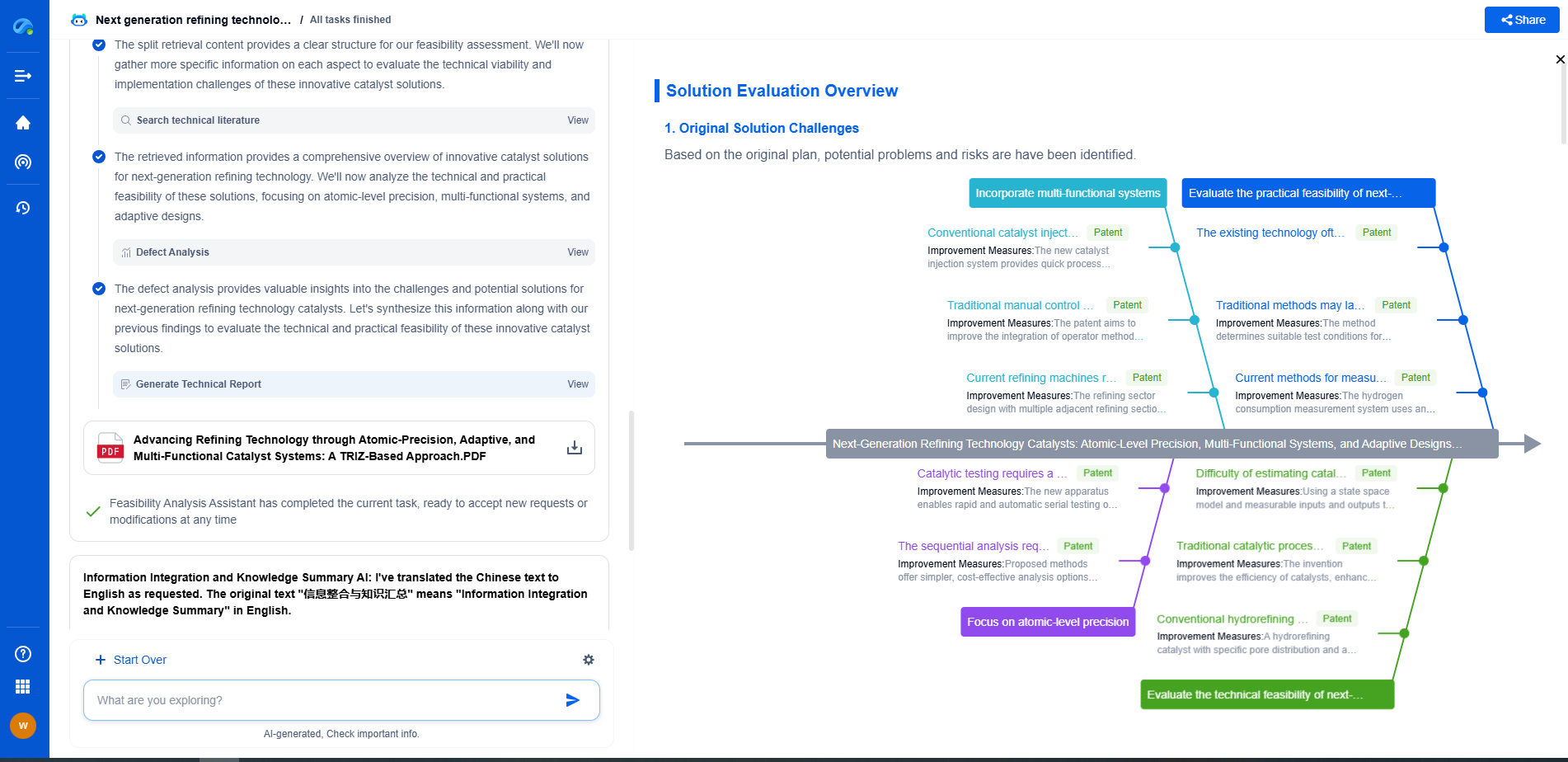
Patsnap Eureka, our intelligent AI assistant built for R&D professionals in high-tech sectors, empowers you with real-time expert-level analysis, technology roadmap exploration, and strategic mapping of core patents—all within a seamless, user-friendly interface.
Whether you’re innovating around secure boot flows, edge AI deployment, or heterogeneous compute frameworks, Eureka helps your team ideate faster, validate smarter, and protect innovation sooner.
🚀 Explore how Eureka can boost your computing systems R&D. Request a personalized demo today and see how AI is redefining how innovation happens in advanced computing.