Reliability Testing for Capacitors: Key Methods and Industry Benchmarks
JUL 9, 2025 |
Reliability testing for capacitors is an essential process in ensuring that these components can perform consistently and reliably within electronic circuits over time. Capacitors, being integral to the functionality of various electronics, require thorough testing to meet industry standards and prevent failures that could lead to significant malfunctions or safety hazards. This blog delves into the key methods used in reliability testing for capacitors and outlines the industry benchmarks that guide these practices.
Understanding the Basics: What is Reliability Testing?
Reliability testing involves simulating various conditions that a capacitor might encounter during its lifecycle to assess its durability and performance. These tests help identify potential failure modes and ensure that capacitors meet or exceed specified reliability criteria. By conducting rigorous testing, manufacturers can improve product quality and enhance consumer trust.
Key Methods of Reliability Testing
Accelerated Life Testing
Accelerated life testing is a fundamental method used to estimate a capacitor's lifespan by subjecting it to elevated stress levels, such as higher temperatures or voltages, to speed up the aging process. The goal is to observe failure mechanisms in a shorter time frame, which allows for the prediction of long-term performance. This testing helps manufacturers identify potential weaknesses and improve design and manufacturing processes.
Temperature Humidity Bias Testing
Temperature humidity bias testing evaluates a capacitor's performance under combined thermal and humidity stress. By simulating harsh environmental conditions, this test reveals how well capacitors maintain their functionality when exposed to moisture and heat. This method is crucial for capacitors used in outdoor or high-humidity environments, where such conditions are prevalent.
Thermal Shock Testing
Thermal shock testing assesses a capacitor's ability to withstand sudden temperature changes. This test exposes the component to rapid temperature fluctuations to evaluate its robustness against thermal stresses. Capacitors that pass this test are less likely to suffer from thermal-induced failures, which are common in environments with fluctuating temperatures.
Vibration and Shock Testing
Vibration and shock testing are crucial for capacitors used in applications where they might be exposed to mechanical stresses, such as automotive or aerospace industries. This testing method evaluates the device's resilience to mechanical forces that can cause physical damage or dislodgement of internal components. Ensuring that capacitors can endure these stresses is vital for their reliability in dynamic applications.
Industry Benchmarks for Capacitor Reliability
Industry benchmarks provide guidelines and standards that capacitors must meet to ensure reliability and safety. These benchmarks vary based on the specific applications and environmental conditions that the capacitors will encounter. Below are some of the well-recognized benchmarks:
JEDEC Standards
The Joint Electron Device Engineering Council (JEDEC) provides widely accepted standards for reliability testing in electronics, including capacitors. These standards outline the procedures for various tests, such as temperature cycling and thermal shock, ensuring consistency and reliability in testing methods across the industry.
AEC-Q200 Qualification
For capacitors used in automotive applications, the AEC-Q200 qualification is a critical benchmark. This standard defines the stress test qualifications and requirements that automotive-grade capacitors must meet to ensure they can withstand the demanding conditions found in vehicles, such as high temperatures, humidity, and mechanical stress.
MIL-STD-202G
The MIL-STD-202G is a military standard that sets forth the methods for testing electronic and electrical component parts, including capacitors. This standard is crucial for components used in military applications, where reliability and performance under extreme conditions are paramount.
Conclusion: The Importance of Reliability Testing
Reliability testing for capacitors is not just an industry obligation but a crucial step in ensuring safety, performance, and longevity of electronic devices. By understanding and implementing key testing methods and adhering to established industry benchmarks, manufacturers can produce capacitors that meet the rigorous demands of modern technology. As electronics continue to evolve and integrate into every aspect of life, the importance of reliable components like capacitors cannot be overstated.
Looking to accelerate your capacitor innovation pipeline?
As capacitor technologies evolve—from miniaturized MLCCs for smartphones to grid-scale energy storage devices—so must the way your team accesses critical knowledge.
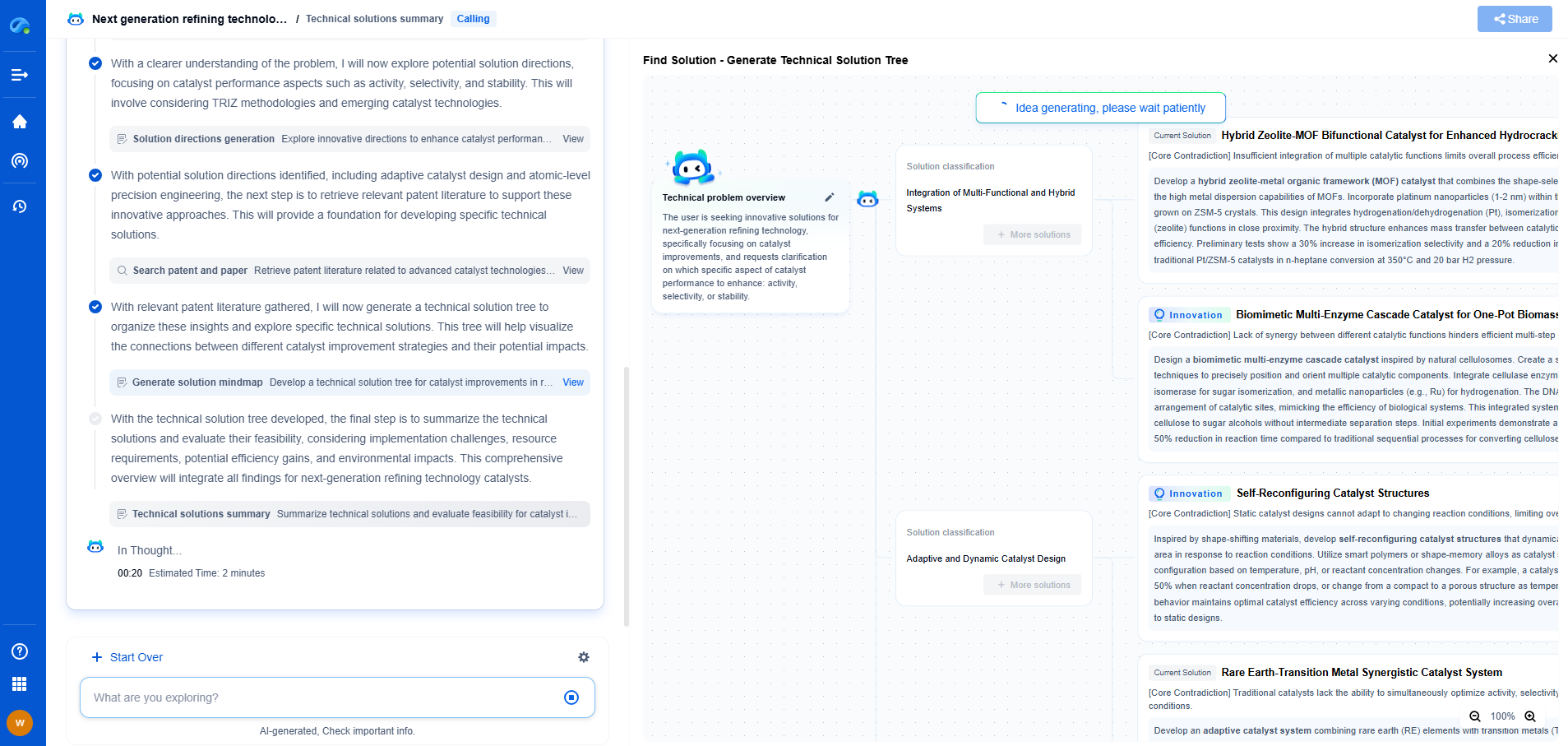
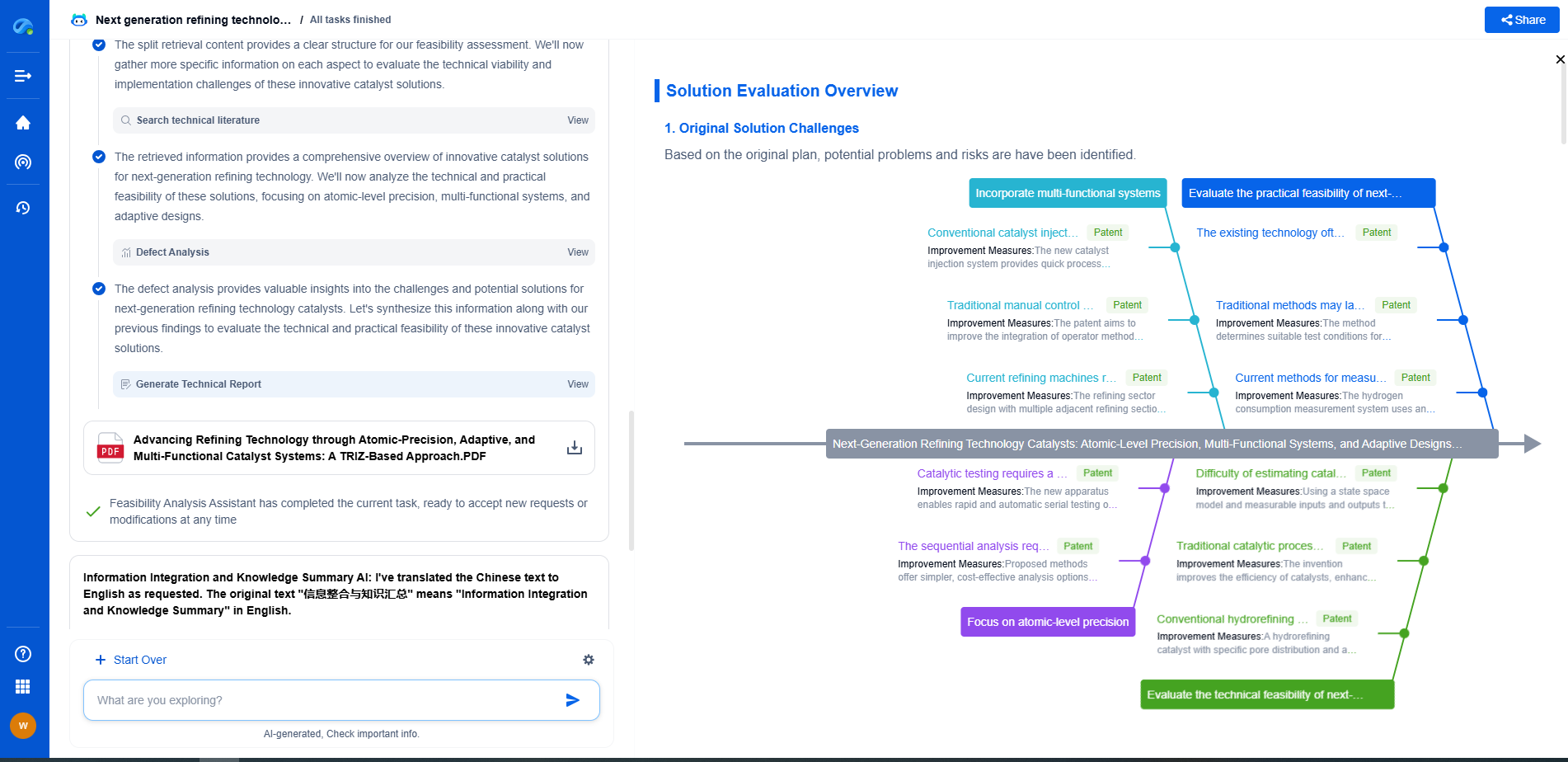
Patsnap Eureka, our intelligent AI assistant built for R&D professionals in high-tech sectors, empowers you with real-time expert-level analysis, technology roadmap exploration, and strategic mapping of core patents—all within a seamless, user-friendly interface.
Try Patsnap Eureka now and discover a faster, smarter way to research and innovate in capacitor technology.