Technology Transfer in Wind Energy: How It Works
JUN 26, 2025 |
Technology transfer in wind energy involves the process of sharing technological knowledge and innovations from one entity, such as a research institution or company, to another, such as a developing country or a new market entrant. This transfer aims to facilitate the adoption and adaptation of advanced technologies to improve energy efficiency and foster sustainable development. Wind energy, being one of the most rapidly growing renewable energy sectors, benefits vastly from effective technology transfer.
The Role of Technology Transfer
Technology transfer plays a crucial role in accelerating the growth of the wind energy sector. It bridges the gap between research and real-world application, allowing for the commercialization of new technologies. By transferring knowledge and expertise, companies and countries can reduce the costs and risks associated with the deployment of wind energy projects. This not only enhances the global capacity for renewable energy production but also supports economic growth and energy security worldwide.
Key Players in Technology Transfer
Various stakeholders are involved in the process of technology transfer in wind energy. These include research and development institutions, private companies, government agencies, and international organizations. Research institutions and universities often serve as the breeding grounds for innovation, developing new technologies that can be transferred to industry players. Private companies, on the other hand, play a pivotal role in commercializing and scaling these technologies to the market. Government agencies and international organizations facilitate the process by providing funding, setting policies, and ensuring that regulations promote technology transfer.
Mechanisms of Technology Transfer
There are several mechanisms through which technology transfer can occur in the wind energy sector:
1. Licensing Agreements: Licensing allows companies to use patented technologies developed by another organization. This provides a legal framework for the transfer of technology and ensures that the original developer benefits from their innovation.
2. Joint Ventures and Partnerships: Collaborative agreements between companies or between companies and research institutions can lead to the sharing of knowledge and resources, facilitating the transfer of technology.
3. Foreign Direct Investment (FDI): Investment by companies in foreign countries can lead to the establishment of local manufacturing plants and the transfer of technology and skills to the local workforce.
4. Training and Workshops: These are essential for building local capacity and ensuring that the workforce can effectively implement and manage new technologies.
Challenges in Technology Transfer
Despite its importance, technology transfer in wind energy faces several challenges which need to be addressed for effective implementation. Intellectual property rights can often complicate the process, as companies may be reluctant to share their proprietary technologies. Additionally, differences in regulatory frameworks and market conditions between countries can pose barriers to technology transfer. There is also the challenge of ensuring that the transferred technology is suitable for the local context and conditions, which requires careful adaptation and customization.
The Importance of Tailored Solutions
For technology transfer in wind energy to be successful, it is crucial that the solutions are tailored to the specific needs and conditions of the receiving market. This involves not only transferring the technology itself but also adapting it to suit local wind patterns, grid infrastructure, and regulatory requirements. Furthermore, building local expertise through training and education initiatives is vital to ensure that the technology is maintained and operated efficiently over the long term.
Conclusion
Technology transfer in wind energy is a vital component of the global transition towards sustainable energy systems. By facilitating the spread of innovative technologies, it helps to accelerate the development of wind energy projects, reduce costs, and promote economic growth. While there are challenges to overcome, the benefits of technology transfer are significant, supporting not only environmental sustainability but also energy security and economic development on a global scale.
Empower Your Wind Power Innovation with AI
In the fast-evolving landscape of wind turbine technology—where aerodynamic optimization, generator efficiency, and structural innovation are critical—staying ahead requires more than just expertise. It requires intelligent tools that accelerate R&D and protect your competitive edge.
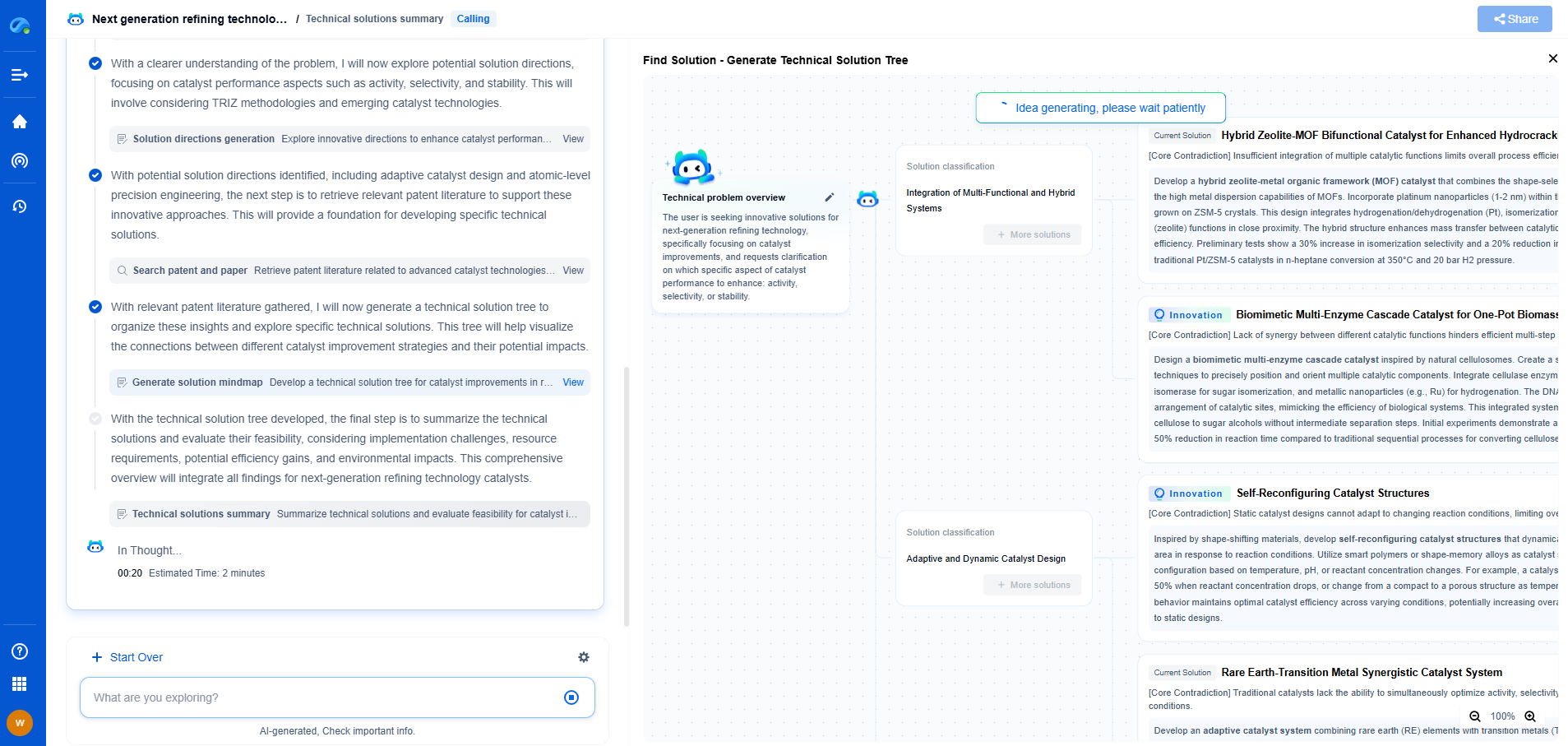
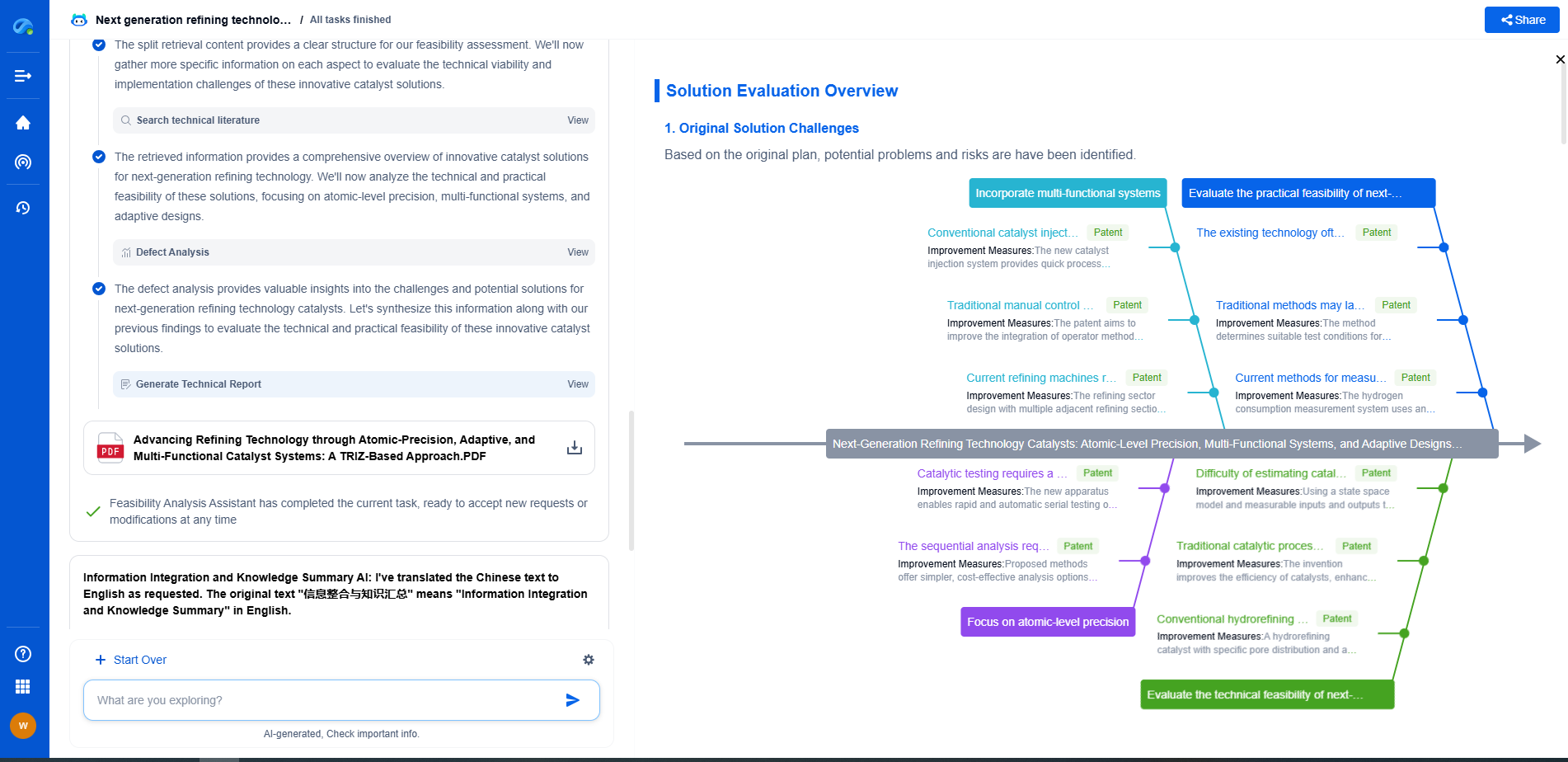
Patsnap Eureka is your AI-powered research assistant, designed specifically for innovators like you working at the forefront of Wind Motors. Whether you're analyzing blade design trends, exploring novel gearbox architectures, or navigating complex global patent landscapes, Eureka streamlines the entire process with precision and speed.
👉 Experience how Patsnap Eureka can revolutionize your R&D and IP strategy. Request a demo today and power up your next breakthrough.