Testing Durability in Polymers for Medical Device Applications
JUL 3, 2025 |
The integration of polymers into medical devices has revolutionized the healthcare industry, offering flexibility, cost-effectiveness, and ease of manufacturing. However, one of the critical factors that determine the success of a polymer in medical applications is its durability. Ensuring that these materials perform reliably over extended periods requires a comprehensive understanding of their properties and how they interact with the human body and their environment.
Factors Affecting Polymer Durability
Several factors can influence the durability of polymers in medical devices. These include mechanical stress, chemical exposure, thermal conditions, and biological interactions. Understanding these factors is crucial in selecting the appropriate material for specific medical applications.
1. Mechanical Stress: Medical devices often undergo repetitive mechanical stress, whether it’s due to movement within the body or handling by medical professionals. Over time, this can lead to wear and tear, making it essential to test polymers for fatigue resistance and tensile strength.
2. Chemical Exposure: Polymers used in medical devices can be exposed to a variety of chemicals, including bodily fluids and cleaning agents. This exposure can lead to chemical degradation, affecting the device’s performance. Testing for chemical resistance is crucial to ensure the longevity of the device.
3. Thermal Conditions: Many medical devices are subjected to varying temperatures, whether during sterilization processes or through exposure to body heat. Polymers must be tested for thermal stability to ensure they do not degrade or lose structural integrity under these conditions.
4. Biological Interactions: Since many medical devices are used in direct contact with biological tissues, it’s imperative to test how polymers interact with the biological environment. This includes evaluating biocompatibility and resistance to biofouling.
Methods for Testing Durability
The durability of polymers in medical devices can be assessed using a variety of testing methods. These tests help in predicting how the material will perform over time and under different conditions.
Accelerated Aging Tests: These tests simulate the long-term effects of environmental conditions on polymers in a shorter time frame. By exposing materials to high temperatures, humidity, and UV light, manufacturers can predict how a polymer will hold up over its expected lifespan.
Mechanical Testing: Mechanical properties like tensile strength, impact resistance, and elongation at break are critical indicators of durability. Tests such as dynamic mechanical analysis (DMA) help in understanding how polymers will perform under mechanical stress.
Chemical Resistance Testing: This involves exposing polymers to various chemical agents to evaluate their reactions. Resistance to degradation by body fluids, disinfectants, and other chemicals is crucial for polymers used in medical environments.
Biocompatibility Testing: Ensuring that a polymer does not elicit an adverse biological response is crucial. Tests such as cytotoxicity, sensitization, and irritation studies are conducted to confirm that the material is safe for medical use.
Advancements in Polymer Durability
The field of polymer science is continually evolving, with new materials and technologies emerging to enhance the durability of medical devices. Innovations such as self-healing polymers, which can repair themselves after damage, and the development of polymers with enhanced resistance to environmental stressors, are paving the way for more reliable and longer-lasting medical devices.
Conclusion
The durability of polymers in medical devices is a critical factor in ensuring patient safety and device efficacy. By understanding the factors that affect durability and employing rigorous testing methods, manufacturers can select materials that will perform reliably under the demanding conditions of medical use. As technology advances, the development of new polymers promises to further improve the durability and performance of medical devices, ultimately enhancing patient care.
Transform Polymeric Innovation with Patsnap Eureka
From biodegradable polymers to high-performance composites, the world of polymeric compounds is evolving faster than ever—driven by the demands of sustainability, functional customization, and global IP competition. Whether you're exploring novel copolymer architectures, optimizing polymerization techniques, or tracking material patents in bioplastics, time-to-insight is everything.
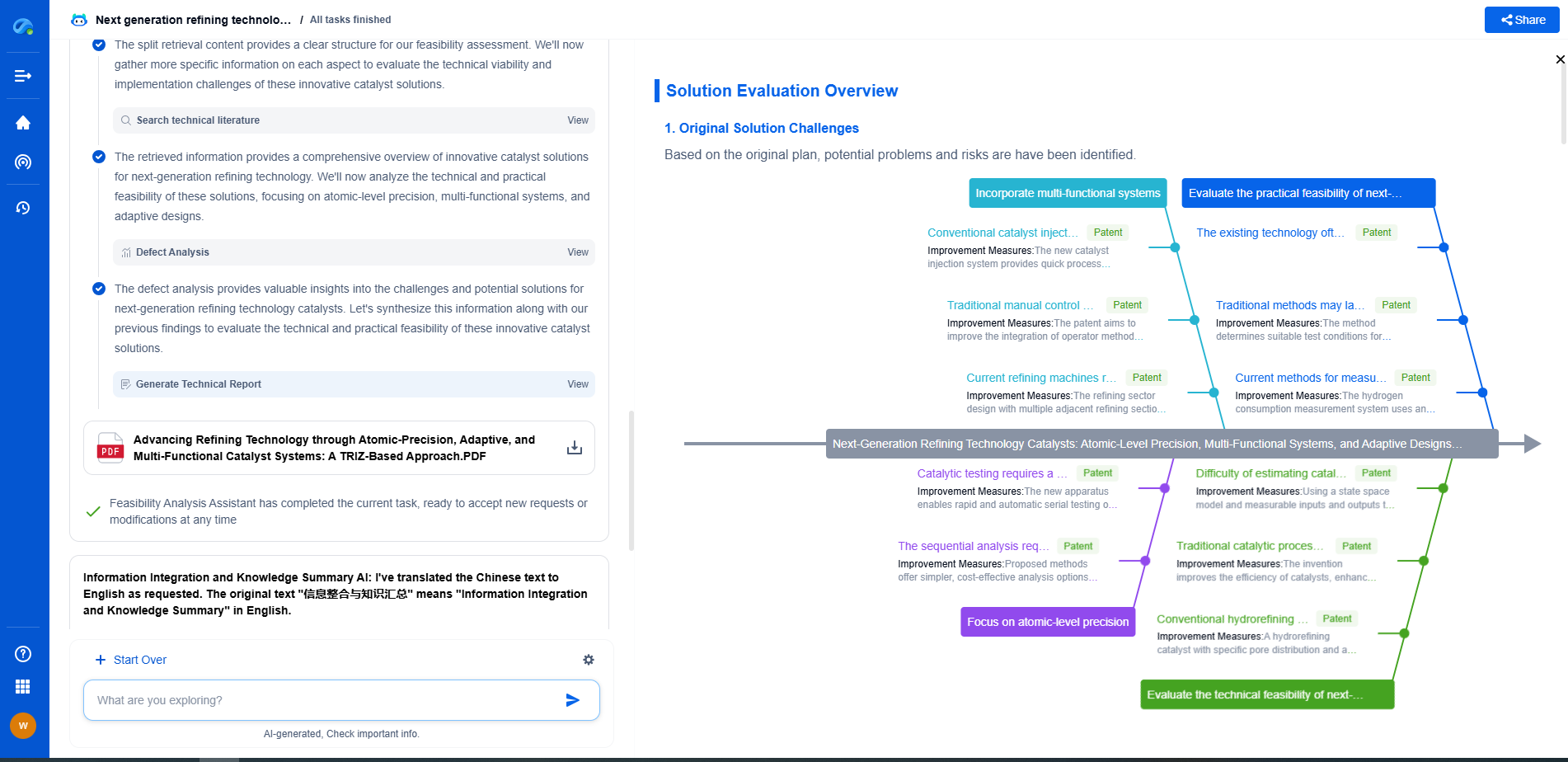
Patsnap Eureka, our intelligent AI assistant built for R&D professionals in high-tech sectors, empowers you with real-time expert-level analysis, technology roadmap exploration, and strategic mapping of core patents—all within a seamless, user-friendly interface.
Whether you're working on next-gen packaging films, bio-based resins, smart polymers for electronics, or new thermal-resistant composites, Eureka accelerates your journey from idea to patent to product—with unmatched clarity and speed.
🔍 Experience how Eureka can power your polymer R&D with AI intelligence—start your free trial today and unlock the future of materials innovation.