Troubleshooting SCTP Initialization Failures Between gNB and AMF
JUL 7, 2025 |
Setting up a reliable 5G network involves ensuring robust communication between the gNodeB (gNB) and the Access and Mobility Management Function (AMF). One of the foundational components of this communication is the Stream Control Transmission Protocol (SCTP), which ensures reliable transport of signaling messages. However, initialization failures in SCTP can disrupt this communication, causing service degradation or complete outages. This blog explores the key steps to troubleshoot and resolve SCTP initialization failures between gNB and AMF.
Understanding SCTP in 5G Networks
SCTP is a transport layer protocol, similar to TCP and UDP, but designed to offer more robust and reliable message delivery. It’s used in 5G networks for its ability to handle multiple streams, minimizing the risk of head-of-line blocking and ensuring the integrity of signaling messages. In the context of a 5G setup, SCTP handles the signaling traffic between the gNB and AMF, making it crucial for network operations.
Identifying Common Causes of SCTP Initialization Failures
1. Network Configuration Errors
Improper configuration is a frequent culprit in SCTP initialization failures. This can include incorrect IP addresses, subnet mismatches, or faulty routing configurations that prevent the gNB and AMF from establishing a reliable connection.
2. Firewall and Security Blockages
Firewalls and security policies may inadvertently block SCTP traffic. This is especially prevalent in environments with strict network security protocols. Ensuring that the necessary ports are open and that SCTP traffic is allowed is critical.
3. SCTP Parameter Misconfiguration
SCTP requires specific parameters to be configured correctly, such as the number of streams, heartbeat intervals, and retry mechanisms. Inaccuracies in these parameters can lead to failed initialization attempts.
4. Hardware and Software Issues
Physical hardware issues, such as faulty network interfaces or cables, and software bugs in the gNB or AMF can also contribute to SCTP failures. Keeping hardware in good condition and ensuring software is up-to-date can mitigate these risks.
Troubleshooting Steps for SCTP Initialization Failures
1. Verify Network Configurations
Begin by reviewing the IP addresses, subnet masks, and routing configurations on both the gNB and AMF. Ensure that they are configured to communicate within the same network or have appropriate routing paths.
2. Inspect Firewall and Security Settings
Check the firewall rules on both the gNB and AMF. Ensure that SCTP traffic is allowed and that the necessary ports (typically port 36412 for SCTP) are open. Collaborate with the network security team to adjust policies if needed.
3. Review SCTP Parameter Settings
Examine the SCTP settings on both ends of the connection. Ensure that the parameters such as the number of streams, retransmission settings, and heartbeat intervals are correctly configured. Adjust as necessary based on vendor recommendations or 3GPP standards.
4. Conduct Hardware and Software Checks
Inspect physical connections and replace any faulty cables or hardware components. Ensure that both the gNB and AMF are running the latest firmware and software patches. Engage with vendors for any known issues or patches.
Advanced Troubleshooting Techniques
1. Utilize Network Monitoring Tools
Deploy network monitoring tools to analyze SCTP traffic between the gNB and AMF. These tools can provide insights into packet loss, delays, and retransmission rates, helping to pinpoint the underlying issue.
2. Engage in Log Analysis
Examine the logs from both the gNB and AMF for error messages or unusual patterns during the SCTP initialization process. Logs can often reveal specific error codes or messages that indicate the root cause of the failure.
3. Perform Controlled Tests
Conduct controlled tests by gradually enabling or disabling certain features or settings. This can help isolate the problematic component or configuration that is causing the SCTP initialization failure.
Conclusion
Troubleshooting SCTP initialization failures between gNB and AMF is a critical task in maintaining the reliability and performance of 5G networks. By systematically addressing network configurations, security settings, SCTP parameters, and hardware/software issues, network operators can resolve these challenges effectively. Employing advanced techniques such as network monitoring and log analysis can further aid in identifying and rectifying underlying problems, ensuring seamless communication and service delivery.
Empower Your Wireless Innovation with Patsnap Eureka
From 5G NR slicing to AI-driven RRM, today’s wireless communication networks are defined by unprecedented complexity and innovation velocity. Whether you’re optimizing handover reliability in ultra-dense networks, exploring mmWave propagation challenges, or analyzing patents for O-RAN interfaces, speed and precision in your R&D and IP workflows are more critical than ever.
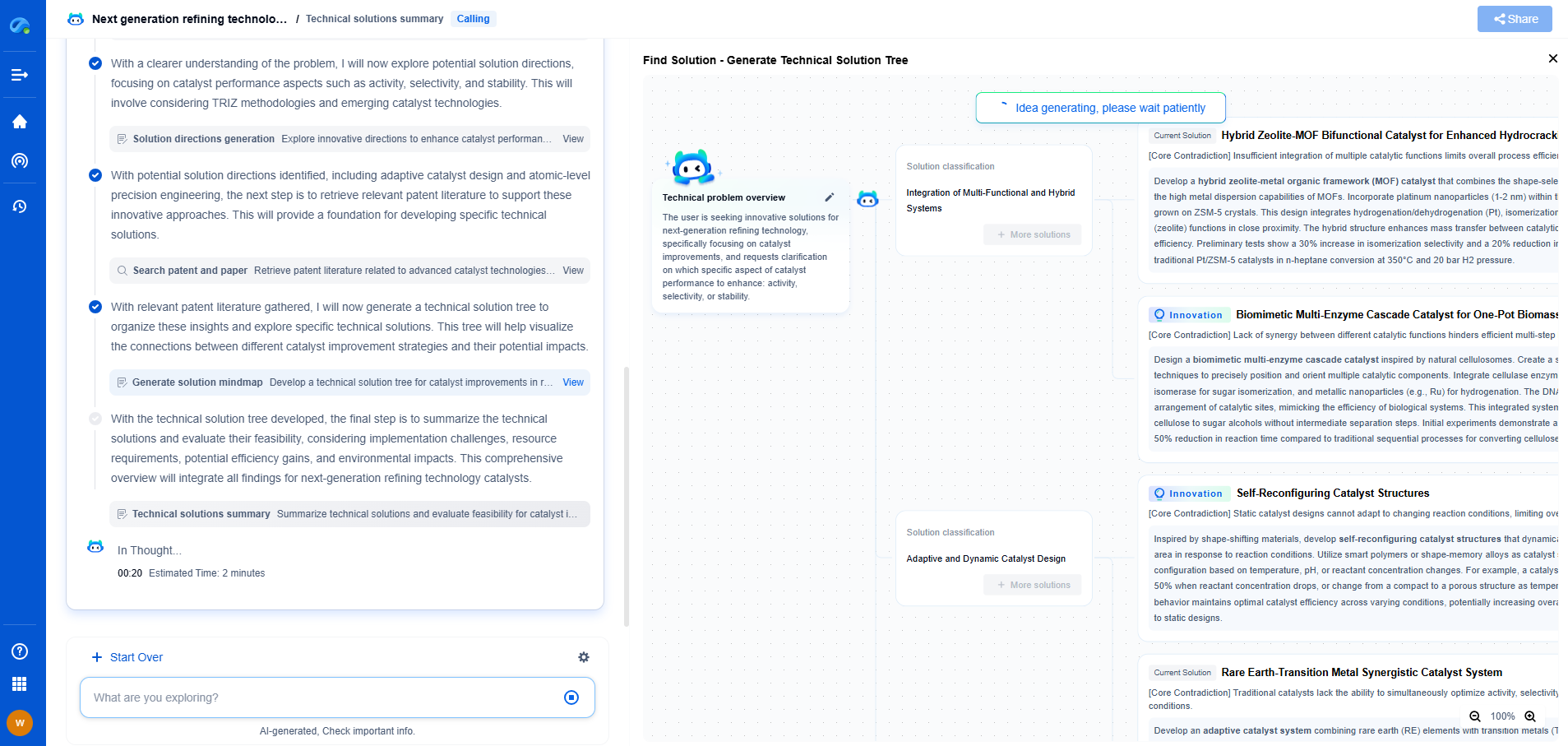
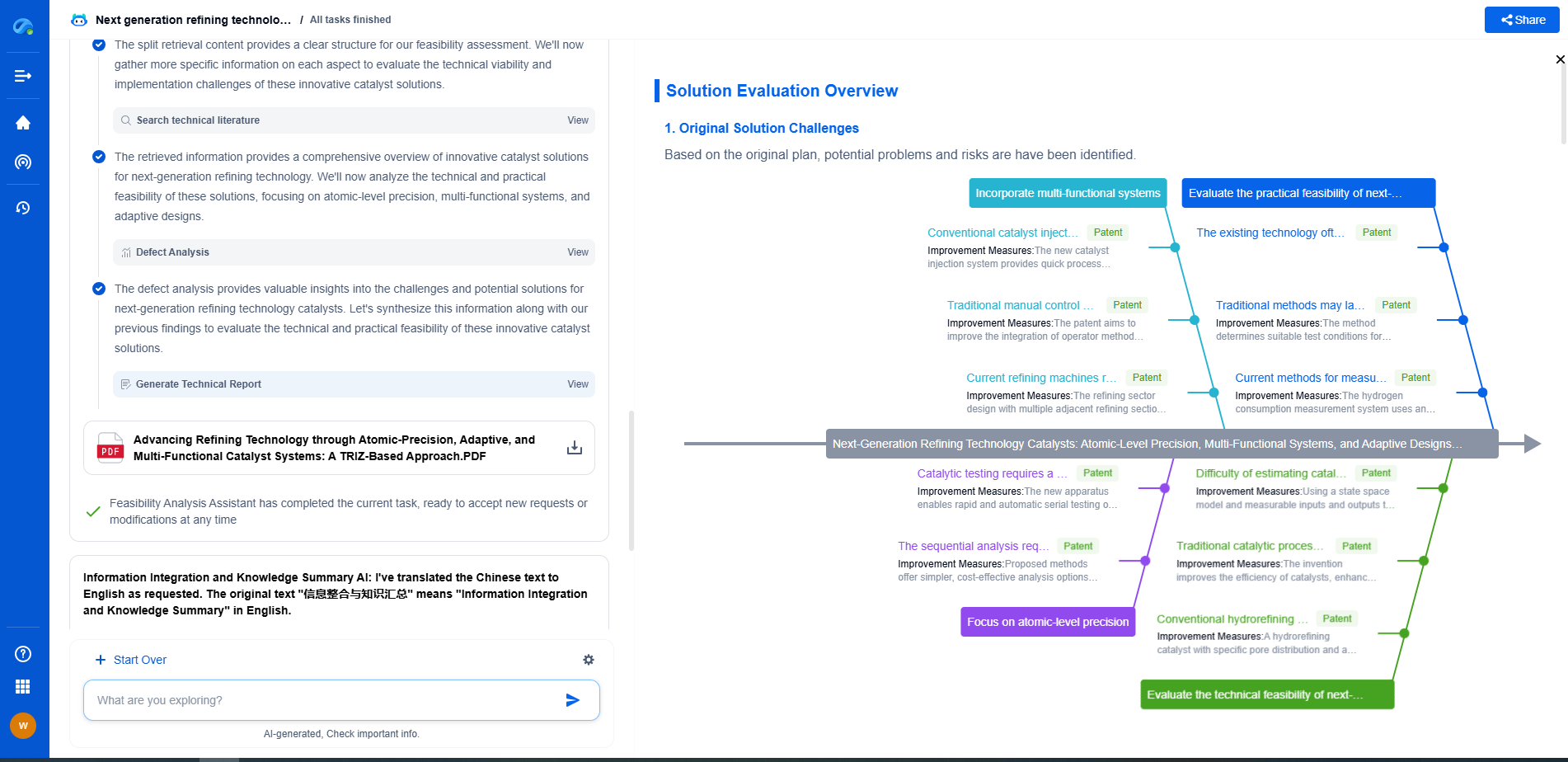
Patsnap Eureka, our intelligent AI assistant built for R&D professionals in high-tech sectors, empowers you with real-time expert-level analysis, technology roadmap exploration, and strategic mapping of core patents—all within a seamless, user-friendly interface.
Whether you work in network architecture, protocol design, antenna systems, or spectrum engineering, Patsnap Eureka brings you the intelligence to make faster decisions, uncover novel ideas, and protect what’s next.
🚀 Try Patsnap Eureka today and see how it accelerates wireless communication R&D—one intelligent insight at a time.