Understanding the certification process for bio-blended fuels
JUN 19, 2025 |
Introduction to Bio-Blended Fuels
Bio-blended fuels have emerged as a promising solution to mitigate the environmental impact of traditional fossil fuels. These fuels combine conventional petroleum-based fuels with biofuels, which are derived from renewable biological sources such as plants and waste materials. As the demand for sustainable energy sources increases, bio-blended fuels are gaining traction for their potential to reduce greenhouse gas emissions and reliance on fossil fuels.
The Importance of Certification
Certification plays a crucial role in ensuring the quality and sustainability of bio-blended fuels. It provides consumers and stakeholders with confidence that the fuel meets certain standards regarding performance, environmental impact, and safety. The certification process helps verify that bio-blended fuels adhere to regulatory requirements and industry standards, promoting transparency and trust in the market.
Steps in the Certification Process
The certification process for bio-blended fuels typically involves several key steps:
1. **Feedstock Verification**: The first step in certification is verifying the source and quality of the feedstock used to produce biofuels. This involves tracing the origin of the biological materials to ensure they are sustainably sourced and comply with environmental regulations. Feedstock verification is essential for assessing the carbon footprint and ecological impact of the bio-blended fuel.
2. **Production Process Assessment**: Once the feedstock is verified, the production process undergoes evaluation. This includes examining the technologies and methods used to convert the biomass into fuel. Certification bodies assess the efficiency, emissions, and sustainability of the production process to ensure it aligns with industry best practices and minimizes environmental harm.
3. **Quality Testing**: Quality testing is a critical component of the certification process. Bio-blended fuels are subjected to rigorous tests to measure their performance characteristics, such as energy content, combustion properties, and compatibility with existing engines. These tests ensure that the fuel meets the necessary specifications for safe and efficient use.
4. **Environmental Impact Analysis**: An environmental impact analysis evaluates the lifecycle emissions and ecological effects of bio-blended fuels. This analysis considers factors like greenhouse gas emissions, land use changes, and biodiversity impacts. Certification bodies use this information to determine whether the fuel contributes to sustainability goals and complies with environmental standards.
5. **Compliance with Regulations**: Bio-blended fuels must comply with various national and international regulations. Certification involves checking adherence to legal requirements, including renewable energy mandates and emission reduction targets. This ensures that the fuel can be marketed and used in regions with specific regulatory frameworks.
Benefits of Certification
Certification offers several benefits to producers, consumers, and the environment:
- **Market Access**: Certified bio-blended fuels gain access to markets with stringent sustainability criteria, opening opportunities for expansion and growth.
- **Consumer Confidence**: Certification provides consumers with assurance that the fuel is safe, sustainable, and effective. This confidence can drive demand and increase adoption rates.
- **Environmental Sustainability**: Certified fuels contribute to environmental sustainability by adhering to standards that promote reduced emissions and responsible resource management.
Challenges in Certification
Despite its advantages, the certification process for bio-blended fuels faces challenges:
- **Complex Supply Chains**: The diverse and global nature of biofuel supply chains can complicate feedstock verification and traceability efforts.
- **Evolving Standards**: As biofuel technology and regulations evolve, certification standards must adapt to accommodate new developments, requiring continuous updates and reevaluations.
- **Costs and Resources**: The certification process can be resource-intensive and costly, potentially posing barriers for smaller producers seeking certification.
Conclusion
Certification is a vital element in the development and commercialization of bio-blended fuels. It ensures these fuels meet quality, sustainability, and regulatory standards, fostering consumer trust and promoting environmental responsibility. While challenges exist, the benefits of certification make it an essential process for advancing the biofuel industry and contributing to a cleaner energy future. By understanding and navigating the certification process, stakeholders can play a significant role in the transition toward more sustainable fuel options.
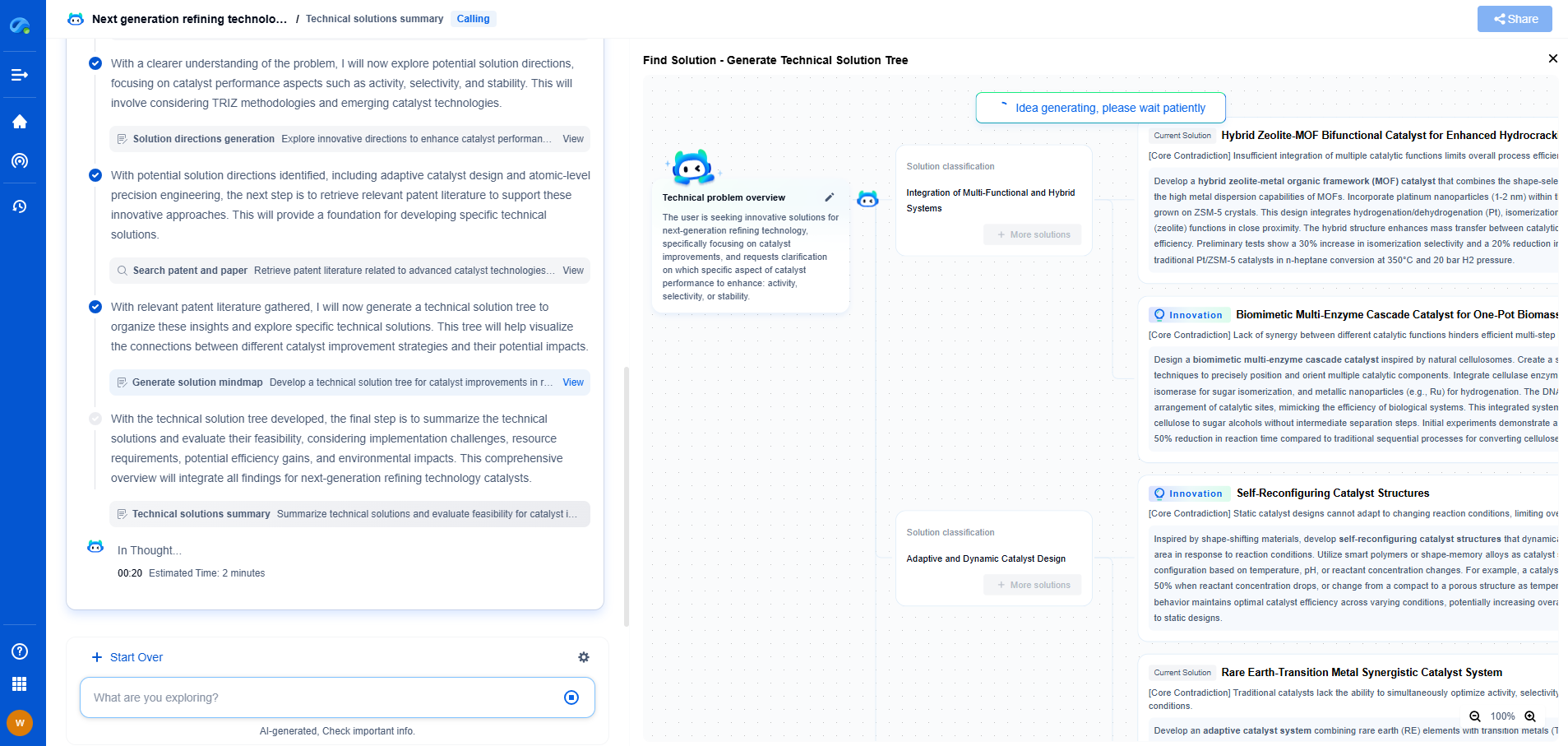
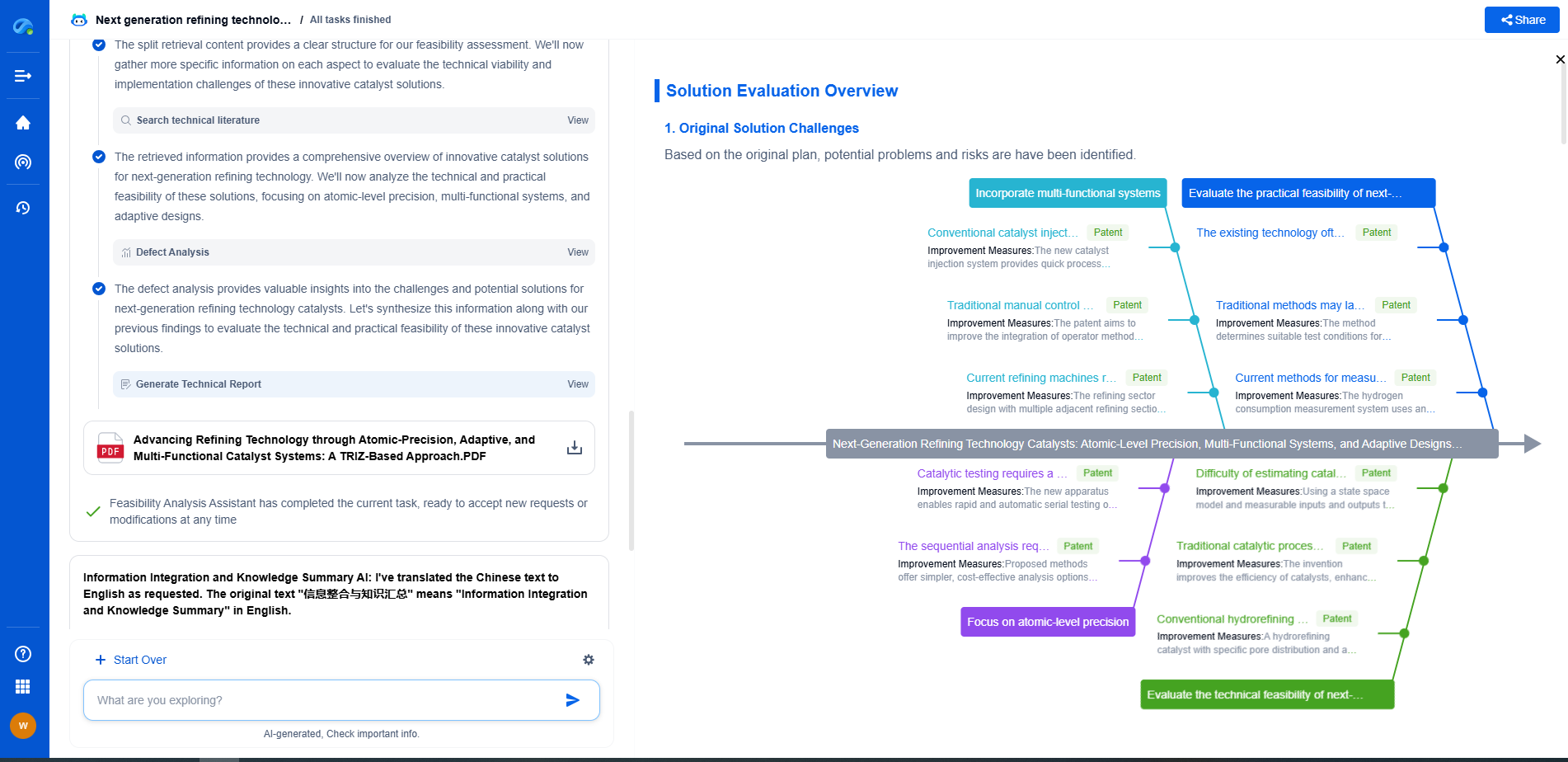
Discover Patsnap Eureka: AI Agents Built for Scientific Innovation
Whether you're designing the next generation of refining technologies or analyzing catalysts and process flows, keeping up with rapidly evolving research and IP data in petroleum processing is no easy task.
Patsnap Eureka, our intelligent AI assistant built for R&D professionals in high-tech sectors, empowers you with real-time expert-level analysis, technology roadmap exploration, and strategic mapping of core patents—all within a seamless, user-friendly interface.
Ready to accelerate your innovation process and make smarter, faster decisions? Discover Patsnap Eureka today and unlock the full power of confident, AI-driven innovation.