Validating AI-Based SON Algorithms with Drive Test Data
JUL 7, 2025 |
The telecommunications industry is undergoing a rapid transformation with the integration of artificial intelligence (AI) into network management. Self-Organizing Networks (SON) utilize AI to automate the configuration, optimization, and healing of mobile networks. However, the effectiveness of these AI-based SON algorithms heavily depends on robust validation processes. Drive test data emerges as a crucial component in this validation, providing real-world insights that ensure these algorithms deliver tangible improvements in network performance.
Understanding AI-Based SON Algorithms
AI-based SON algorithms are designed to enhance the efficiency of mobile networks by automating complex tasks traditionally managed by human operators. They analyze vast amounts of data from the network to identify patterns, predict issues, and implement solutions autonomously. These algorithms employ machine learning models to optimize network parameters, manage radio resources more effectively, and ensure seamless connectivity for users.
The Importance of Validation
While these algorithms promise significant advancements, their deployment without rigorous validation could lead to unforeseen problems. Validation is essential to ensure that the AI models are accurate, reliable, and capable of performing in diverse real-world scenarios. It involves testing the algorithms under various conditions to identify potential weaknesses or biases that could affect network performance.
Role of Drive Test Data
Drive test data plays a pivotal role in validating AI-based SON algorithms. Drive tests involve collecting data on network performance metrics such as signal strength, data throughput, and call quality by physically traversing the network's coverage area. This data provides a ground truth against which the predictions and adjustments made by AI algorithms can be assessed.
Advantages of Using Drive Test Data
Drive test data offers several advantages for validating SON algorithms. Firstly, it provides real-time, location-specific information that reflects the actual user experience. This is crucial for confirming that the AI model's predictions align with real-world conditions. Secondly, drive tests can uncover environmental and geographical factors affecting network performance that may not be evident from static data alone. Lastly, drive test data helps in detecting anomalies and ensuring that the AI-driven changes do not adversely impact network stability or user satisfaction.
Challenges in Integrating Drive Test Data
Despite its advantages, integrating drive test data into the validation process presents certain challenges. Collecting extensive drive test data can be resource-intensive and costly. Furthermore, the dynamic nature of mobile networks means that the conditions during drive tests may not always represent typical network behavior. Therefore, a careful balance must be struck between the depth and breadth of data collected and the feasibility of conducting widespread drive tests.
Best Practices for Validation
To effectively use drive test data for validating AI-based SON algorithms, certain best practices should be followed. First, ensure that drive tests cover a representative sample of the network's geography and demographics. This helps in accounting for varying conditions and user behaviors. Second, combine drive test results with other data sources, such as network logs and customer feedback, to provide a comprehensive validation framework. Additionally, continuous validation should be implemented to adapt to evolving network demands and technology advancements.
Future Prospects
As AI technology continues to evolve, so too will the methods for validating AI-based SON algorithms. The integration of advanced simulation tools and virtual drive tests may offer more cost-effective solutions for validation. Moreover, the development of real-time analytics and edge computing could enable continuous validation and adaptation of AI models without the need for extensive drive tests.
Conclusion
The validation of AI-based SON algorithms using drive test data is a critical step in ensuring that these technologies deliver on their promise of improving network performance and user experience. By leveraging real-world data, network operators can confidently deploy AI solutions, knowing they have been thoroughly tested and validated. As the telecommunications landscape continues to evolve, robust validation processes will remain integral to the successful implementation of AI in network management.
Empower Your Wireless Innovation with Patsnap Eureka
From 5G NR slicing to AI-driven RRM, today’s wireless communication networks are defined by unprecedented complexity and innovation velocity. Whether you’re optimizing handover reliability in ultra-dense networks, exploring mmWave propagation challenges, or analyzing patents for O-RAN interfaces, speed and precision in your R&D and IP workflows are more critical than ever.
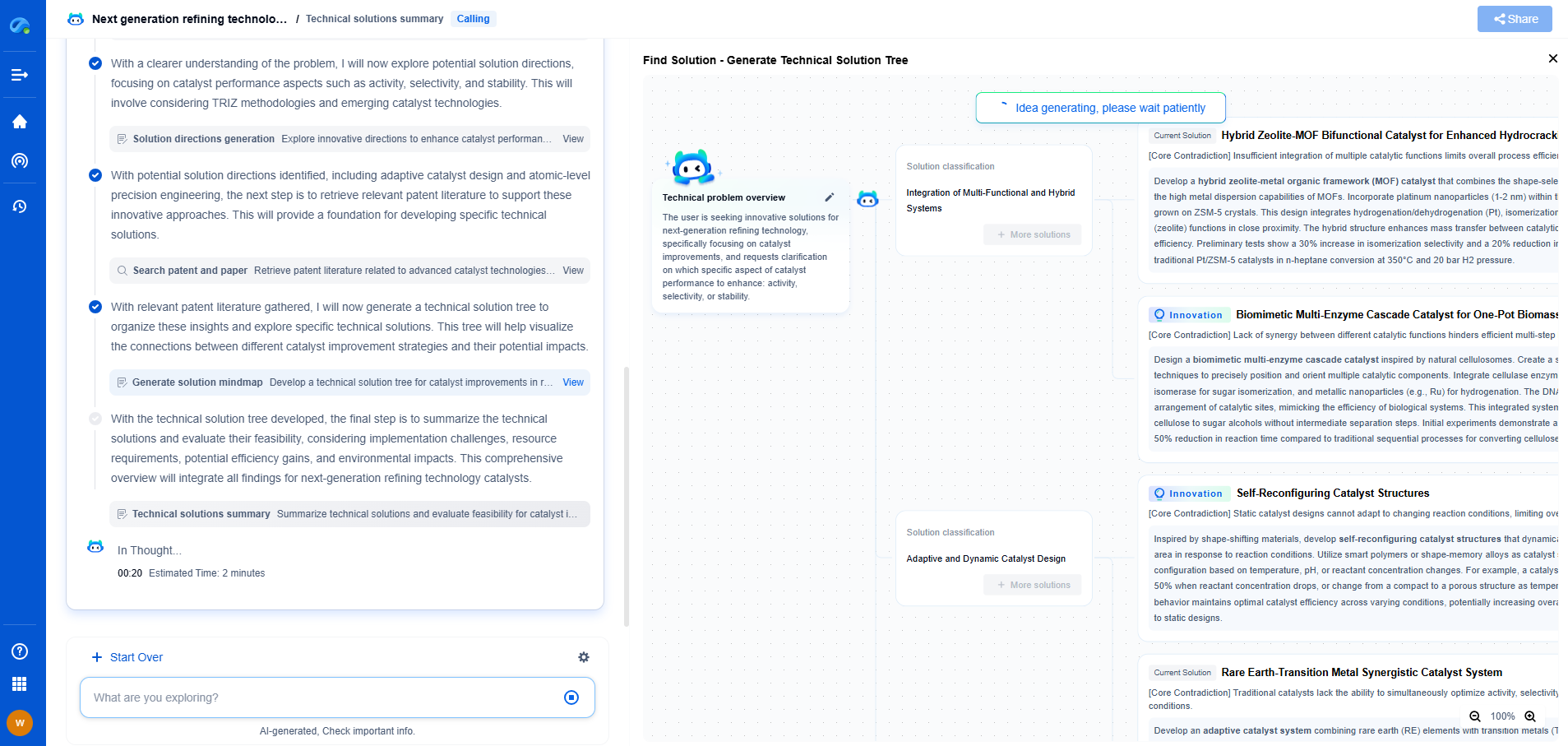
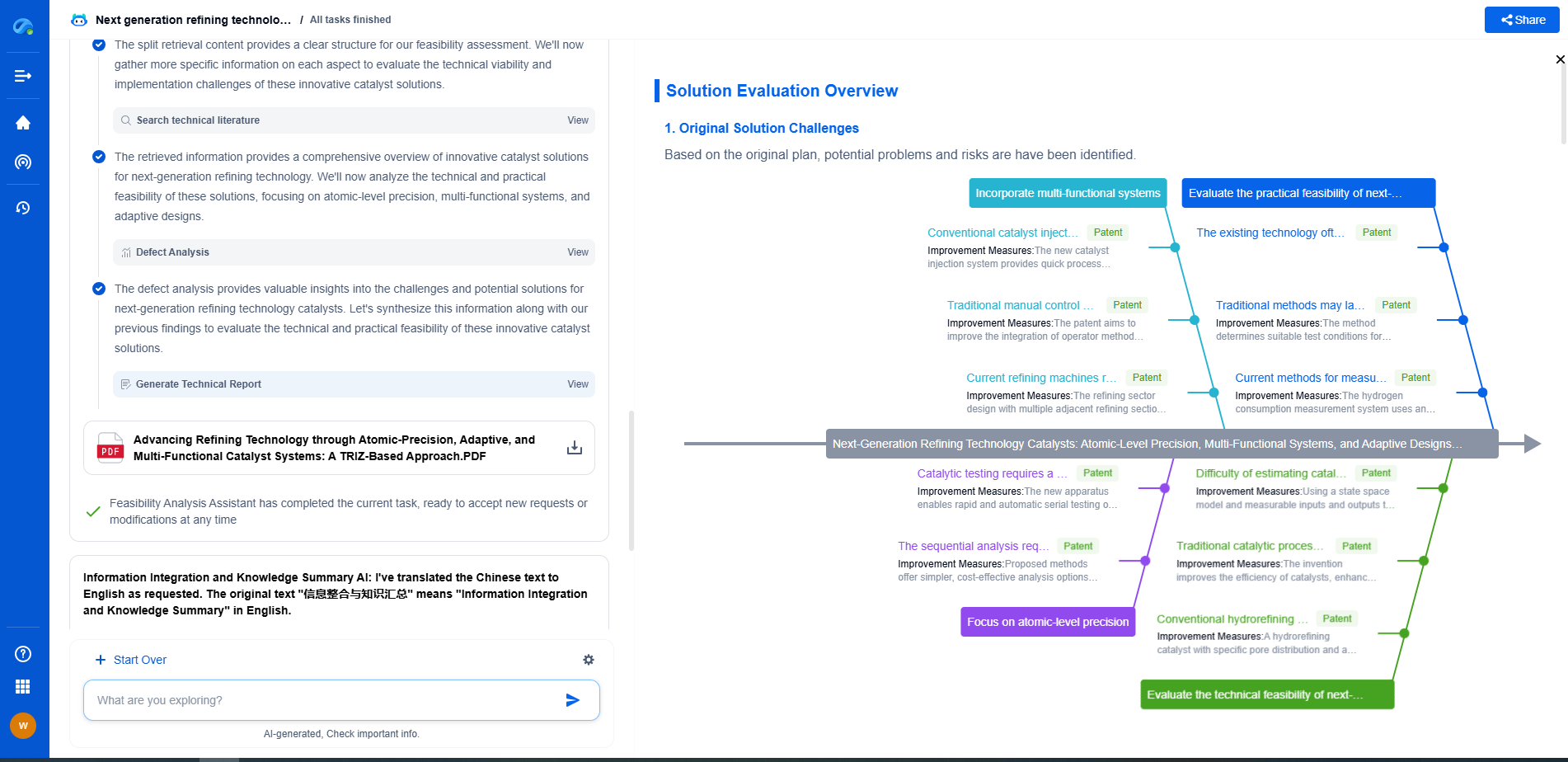
Patsnap Eureka, our intelligent AI assistant built for R&D professionals in high-tech sectors, empowers you with real-time expert-level analysis, technology roadmap exploration, and strategic mapping of core patents—all within a seamless, user-friendly interface.
Whether you work in network architecture, protocol design, antenna systems, or spectrum engineering, Patsnap Eureka brings you the intelligence to make faster decisions, uncover novel ideas, and protect what’s next.
🚀 Try Patsnap Eureka today and see how it accelerates wireless communication R&D—one intelligent insight at a time.