What are Harmonic Distortion Limits? Maintaining Power Quality
JUN 26, 2025 |
Harmonic distortion is an important consideration in maintaining power quality in electrical systems. It refers to deviations from the ideal sinusoidal waveform in power systems, which can result from non-linear loads such as variable speed drives, rectifiers, and other electronic devices. As these non-linear loads become more prevalent, understanding and managing harmonic distortion is critical to ensure the efficient and safe operation of electrical systems.
Sources of Harmonic Distortion
The primary sources of harmonic distortion in power systems are electronic devices that draw current in a non-linear manner. These include common household and industrial devices such as computers, printers, LED lighting, and industrial motor drives. As these devices operate, they introduce harmonics into the power system, disrupting the ideal sinusoidal waveform of voltage and current.
Effects of Harmonic Distortion
Harmonic distortion can have a variety of detrimental effects on power systems and connected equipment. It can cause overheating in transformers, motors, and conductors, leading to equipment failure and reduced lifespan. Moreover, it can result in increased losses in the power system, leading to higher energy costs. Harmonics can also interfere with the operation of sensitive electronic equipment, causing malfunction or failure.
Setting Harmonic Distortion Limits
To mitigate the negative impacts of harmonic distortion, it is essential to establish and adhere to harmonic distortion limits. These limits are typically defined by standards such as IEEE 519-2014 and IEC 61000-3-2, which specify the maximum allowable harmonic distortion levels for different types of electrical systems. By maintaining harmonics within these prescribed limits, power quality can be preserved, minimizing the risk of equipment damage and operational inefficiencies.
Managing Harmonic Distortion
Effective management of harmonic distortion involves several strategies that can be implemented at both the design and operational stages of an electrical system. One fundamental approach is the use of passive harmonic filters, which are designed to block or reduce specific harmonic frequencies. Active harmonic filters can also be used, offering a more dynamic solution by adapting to changing load conditions and effectively canceling out harmonics.
Another strategy is to improve the design of electrical systems by minimizing the use of non-linear loads or by distributing them evenly throughout the system. Additionally, transformers and generators can be specified with higher impedance to dampen harmonics. Regular monitoring and analysis of power quality can also help in identifying and addressing harmonic issues promptly.
The Role of Power Factor Correction
Power factor correction is another crucial aspect of managing harmonic distortion. By improving the power factor, the efficiency of the power system is enhanced, reducing the level of harmonics generated. Power factor correction devices, such as capacitors, can be strategically placed within the system to offset the effects of non-linear loads.
Future Perspectives
As the demand for electronic devices continues to rise, the challenge of managing harmonic distortion will become increasingly important. Advancements in technology and power electronics are expected to provide more sophisticated solutions for mitigating harmonic distortion. This includes the development of more efficient filters, smart grid technologies, and enhanced power quality monitoring systems.
In conclusion, maintaining power quality in the face of harmonic distortion is a critical aspect of modern electrical systems. By understanding the sources, effects, and limits of harmonic distortion, and implementing effective management strategies, the reliability and efficiency of power systems can be significantly improved.
Stay Ahead in Power Systems Innovation
From intelligent microgrids and energy storage integration to dynamic load balancing and DC-DC converter optimization, the power supply systems domain is rapidly evolving to meet the demands of electrification, decarbonization, and energy resilience.
In such a high-stakes environment, how can your R&D and patent strategy keep up?
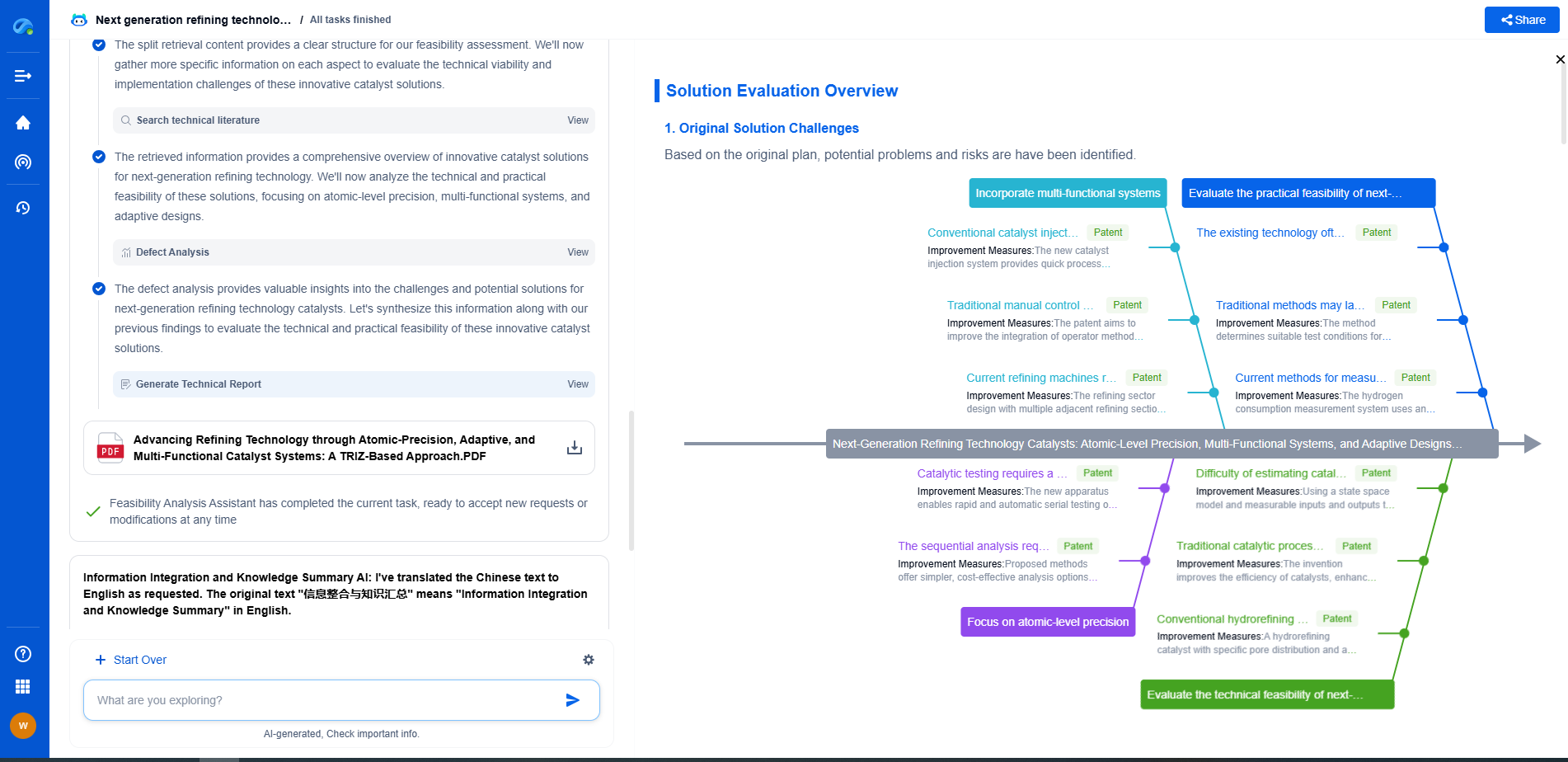
Patsnap Eureka, our intelligent AI assistant built for R&D professionals in high-tech sectors, empowers you with real-time expert-level analysis, technology roadmap exploration, and strategic mapping of core patents—all within a seamless, user-friendly interface.
👉 Experience how Patsnap Eureka can supercharge your workflow in power systems R&D and IP analysis. Request a live demo or start your trial today.