What Are the Functional Units in a Power Distribution System?
JUN 26, 2025 |
The Role of Substations
Substations are integral to power distribution systems as they serve as the transition points between high-voltage transmission lines and lower-voltage distribution networks. They perform several critical functions, including voltage transformation, power regulation, and fault isolation. Substations house transformers that step down the voltage levels from transmission lines so that the electricity can be safely distributed to residential and commercial consumers. Moreover, they contain protective devices and switches that help manage the flow of electricity and safeguard the system against overloads or faults.
Distribution Transformers: Adapting Voltage Levels
Once electricity exits a substation, it passes through distribution transformers, which further adjust the voltage to suitable levels for local distribution. These transformers are strategically installed throughout the power distribution network, often mounted on poles or positioned on the ground near consumers. Their primary function is to ensure that the voltage is reduced to a safe and usable level for homes and businesses. Distribution transformers are crucial for minimizing energy loss and improving the efficiency of the power delivery process.
The Network of Distribution Lines
Distribution lines are the arteries of a power distribution system, transporting electricity from substations to end-users. These lines are categorized into primary and secondary distribution lines. Primary distribution lines carry medium voltage electricity over longer distances to reach local areas, whereas secondary distribution lines deliver low voltage electricity directly to consumers. The materials and construction of these lines are critical, as they must withstand environmental factors and ensure uninterrupted electricity flow.
Switchgear and Protection Devices
Switchgear and protection devices are essential for maintaining safety and reliability in power distribution systems. These components include circuit breakers, switches, and fuses, all of which play a role in controlling the power flow and protecting the system from damage. Circuit breakers and switches allow for the isolation of faulty sections, enabling repairs without disrupting the entire network. Fuses and protective relays act as safeguards, automatically disconnecting power in the event of an overload or fault, thus preventing equipment damage and ensuring safety.
Metering and Monitoring Systems
Accurate metering and monitoring systems are vital for efficient power distribution management. Meters measure the amount of electricity consumed by end-users, providing data essential for billing and energy management. Advanced metering infrastructure (AMI) systems facilitate real-time monitoring of electricity usage, enabling utilities to optimize the distribution network and respond promptly to outages or issues. Additionally, monitoring systems help in assessing the health of the distribution network, predicting maintenance needs, and improving overall reliability.
Control Centers: The Brain of the System
Control centers are the nerve centers of a power distribution system, where operators monitor and manage the entire network. These centers utilize sophisticated software and communication technologies to oversee electricity flow, detect anomalies, and coordinate responses to power outages or system failures. With the integration of smart grid technologies, control centers can now implement automated responses, enhance grid resilience, and improve energy efficiency.
Conclusion
In conclusion, the functional units of a power distribution system work in concert to deliver electricity safely and efficiently to consumers. From substations and transformers to distribution lines and control centers, each component plays a crucial role in ensuring the reliability and stability of the electrical grid. Understanding these units and their functions is essential for appreciating the complexity and importance of power distribution systems in our daily lives. As technology advances, these systems continue to evolve, promising even greater efficiency and resilience in the future.
Stay Ahead in Power Systems Innovation
From intelligent microgrids and energy storage integration to dynamic load balancing and DC-DC converter optimization, the power supply systems domain is rapidly evolving to meet the demands of electrification, decarbonization, and energy resilience.
In such a high-stakes environment, how can your R&D and patent strategy keep up?
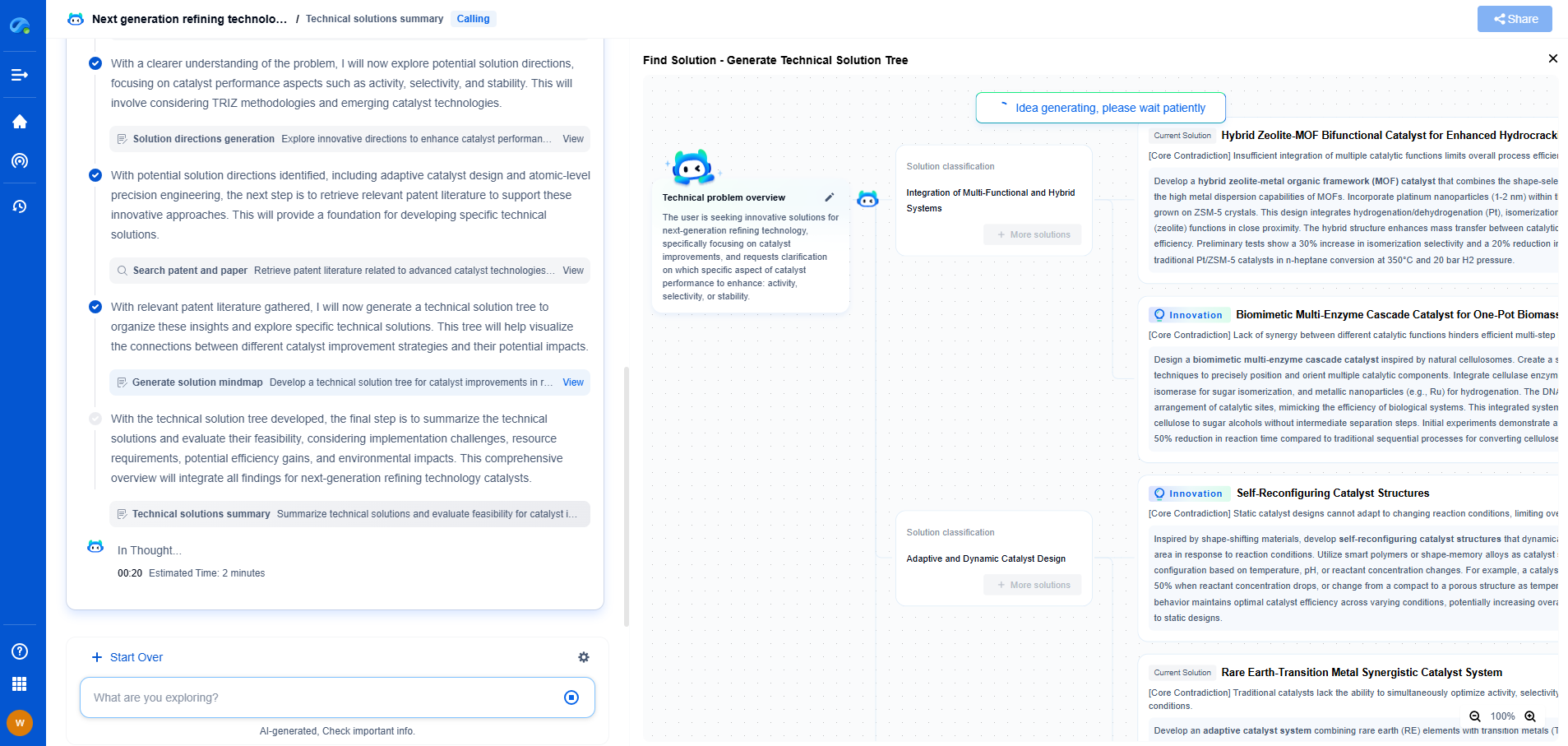
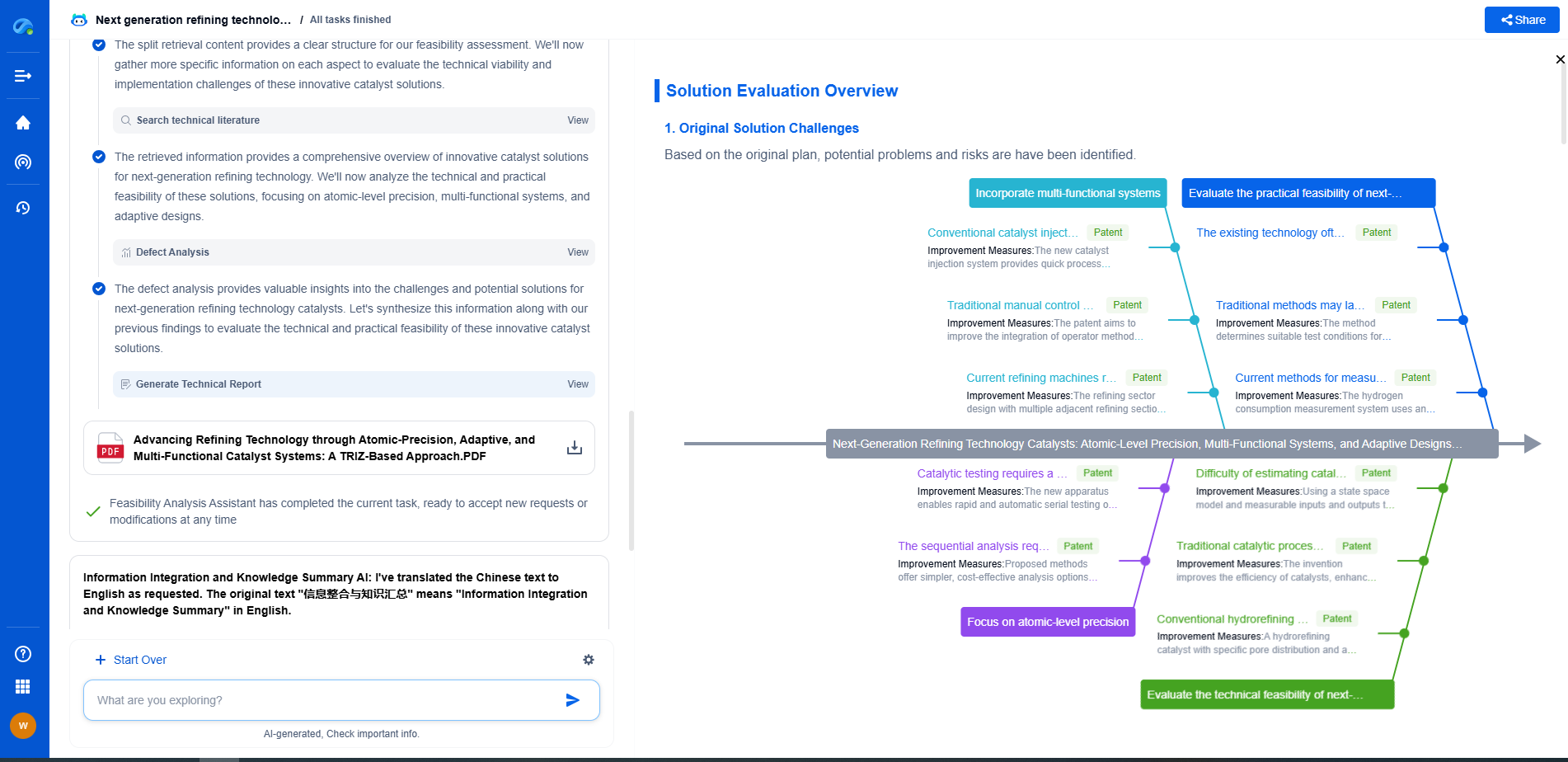
Patsnap Eureka, our intelligent AI assistant built for R&D professionals in high-tech sectors, empowers you with real-time expert-level analysis, technology roadmap exploration, and strategic mapping of core patents—all within a seamless, user-friendly interface.
👉 Experience how Patsnap Eureka can supercharge your workflow in power systems R&D and IP analysis. Request a live demo or start your trial today.