What is a firmware controller?
JUL 4, 2025 |
Firmware controllers are crucial components in modern electronic devices, serving as intermediaries between hardware and software. These controllers ensure that devices operate smoothly and according to their designed functions. Let’s delve into what firmware controllers are, their functions, and their significance in the world of technology.
What is Firmware?
To comprehend firmware controllers, it's essential first to understand what firmware is. Firmware is a specific class of computer software that provides low-level control for a device's specific hardware. It lies somewhere between hardware and software, residing permanently in the memory of a device, often on a flash ROM chip. Unlike regular software, firmware is tightly integrated into the device, and changing it requires a deliberate update process.
The Role of Firmware Controllers
Firmware controllers manage and control the firmware within a device. They are responsible for executing and overseeing the operations that the firmware dictates, ensuring that the hardware components interact effectively with the software applications. These controllers are critical in initializing the device's hardware, loading the operating system, and managing device drivers, which are essential for the functioning of peripherals.
Functions and Responsibilities
Firmware controllers perform several key functions:
1. **Initialization and Start-up**: One of the primary roles of a firmware controller is to start the device and prepare it for operation. This involves performing checks to validate hardware components, loading the necessary instructions into the device’s memory, and launching the operating system.
2. **Hardware Management**: Controllers facilitate communication between the hardware and software by managing inputs from external devices and directing outputs. They ensure that commands from the software are accurately executed by the hardware components.
3. **Security**: Firmware controllers are integral to a device’s security framework. They manage access controls and protect against unauthorized access or alterations to the firmware, which can be a target for malicious attacks.
4. **Updates and Maintenance**: Controllers are often responsible for applying firmware updates that enhance functionality, fix bugs, or patch security vulnerabilities. This process involves downloading updates, verifying authenticity, and applying changes without disrupting the device’s operation.
Significance of Firmware Controllers
Firmware controllers are vital for maintaining the reliability and efficiency of electronic devices. They enhance performance by ensuring that hardware operates at its full potential and interfaces seamlessly with software applications. Moreover, by providing security functions, they safeguard devices from potential threats, thereby protecting sensitive data and maintaining system integrity.
Challenges in Firmware Control
Despite their importance, firmware controllers face several challenges. Updating firmware can be complex and risky, as improper updates might render a device inoperable. Additionally, as devices become more interconnected, ensuring consistent and secure firmware across various platforms becomes increasingly challenging. This necessitates ongoing research and development to enhance controller capabilities and update mechanisms.
Future of Firmware Controllers
The future of firmware controllers looks promising, with advancements aimed at making them more adaptive and intelligent. As artificial intelligence and machine learning technologies evolve, firmware controllers are likely to become more autonomous, capable of self-optimizing and diagnosing issues without human intervention. This evolution will enhance the performance, security, and functionality of electronic devices.
In Summary
Firmware controllers play a pivotal role in the seamless operation of electronic devices. By managing the intricate interactions between hardware and software, they ensure devices function effectively and securely. As technology continues to advance, the development and enhancement of firmware controllers will remain a critical area, driving innovation and efficiency in the digital age.
Accelerate Breakthroughs in Computing Systems with Patsnap Eureka
From evolving chip architectures to next-gen memory hierarchies, today’s computing innovation demands faster decisions, deeper insights, and agile R&D workflows. Whether you’re designing low-power edge devices, optimizing I/O throughput, or evaluating new compute models like quantum or neuromorphic systems, staying ahead of the curve requires more than technical know-how—it requires intelligent tools.
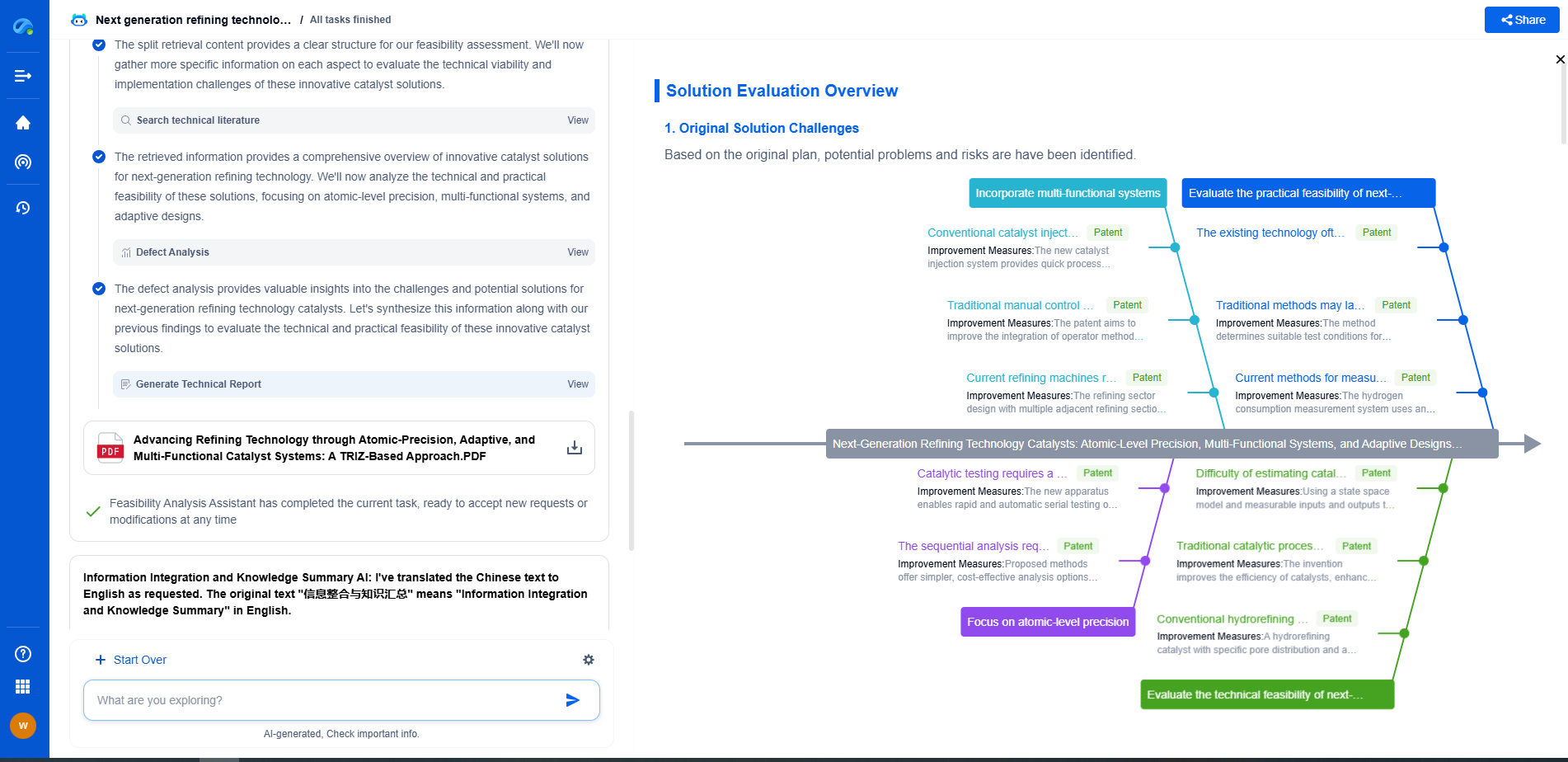
Patsnap Eureka, our intelligent AI assistant built for R&D professionals in high-tech sectors, empowers you with real-time expert-level analysis, technology roadmap exploration, and strategic mapping of core patents—all within a seamless, user-friendly interface.
Whether you’re innovating around secure boot flows, edge AI deployment, or heterogeneous compute frameworks, Eureka helps your team ideate faster, validate smarter, and protect innovation sooner.
🚀 Explore how Eureka can boost your computing systems R&D. Request a personalized demo today and see how AI is redefining how innovation happens in advanced computing.