What is AI-Driven Networking? How ML Optimizes QoS Parameters in Real-Time
JUN 26, 2025 |
The landscape of digital communication and networking infrastructure is rapidly evolving, driven by an explosion of data and the need for more efficient, reliable, and secure networks. As businesses and consumers demand faster and more dependable connectivity, AI-driven networking has emerged as a transformative force, leveraging artificial intelligence and machine learning (ML) to optimize network performance and quality of service (QoS) in real-time.
Understanding AI-Driven Networking
AI-driven networking refers to the application of artificial intelligence technologies to manage, control, and optimize network operations. It involves the use of algorithms and models to analyze data, predict trends, and make intelligent decisions that enhance network performance. These technologies can automate complex processes, reducing the need for human intervention and significantly improving efficiency. By integrating AI into networking, organizations can achieve enhanced scalability, flexibility, and agility, ultimately leading to superior user experiences.
The Role of Machine Learning in Networking
Machine learning, a subset of AI, plays a crucial role in AI-driven networking by providing the mechanisms through which networks learn from data. ML models can analyze large volumes of network data to identify patterns and anomalies, predict future network conditions, and make data-driven decisions to optimize network performance. These models can be trained to recognize and respond to various situations, allowing networks to adapt to changes in demand, topology, or external factors in real-time.
Optimizing Quality of Service (QoS) Parameters
Quality of Service (QoS) is a measure of performance for telecommunication services and networks, and it encompasses factors such as bandwidth, latency, jitter, and packet loss. ML algorithms can significantly enhance QoS by dynamically adjusting these parameters to ensure optimal performance and user satisfaction. Here’s how ML optimizes each of these parameters:
1. Bandwidth Management:
ML algorithms can predict bandwidth usage patterns and allocate resources accordingly. By analyzing historical data and real-time traffic, they can anticipate peak usage times and adjust bandwidth allocation to prevent congestion, ensuring smooth data flow and minimal delays.
2. Latency Reduction:
Latency, the time taken for data to travel from one point to another, can be minimized through ML. By predicting and preemptively addressing network bottlenecks, ML algorithms can reroute traffic or adjust priorities to ensure that critical applications receive the necessary resources, thus reducing delays.
3. Jitter Control:
Jitter, the variation in packet arrival time, can be detrimental to real-time applications like VoIP or video conferencing. ML models can monitor network conditions and make real-time adjustments to packet routing, minimizing jitter and enhancing the quality of voice and video communications.
4. Minimizing Packet Loss:
Packet loss can lead to degraded network performance and user experience. ML algorithms can detect patterns and anomalies that may lead to packet loss and take corrective actions, such as rerouting traffic or adjusting transmission rates, to mitigate its impact.
Real-Time Network Optimization
One of the most significant advantages of AI-driven networking is its ability to optimize networks in real-time. Traditional network management approaches often rely on static configurations and manual interventions, which can be slow and inefficient. In contrast, AI-driven solutions can autonomously monitor network conditions, predict issues before they arise, and implement solutions instantly. This capability not only enhances network reliability and performance but also reduces operational costs and downtime.
Conclusion
AI-driven networking, powered by machine learning, represents a paradigm shift in how networks are managed and optimized. By leveraging AI technologies to analyze data and make intelligent decisions, organizations can significantly enhance the quality of service and deliver superior user experiences. As the demand for high-performance networks continues to grow, AI-driven networking will undoubtedly play a pivotal role in shaping the future of digital communication and connectivity.
Unleash the Full Potential of AI Innovation with Patsnap Eureka
The frontier of machine learning evolves faster than ever—from foundation models and neuromorphic computing to edge AI and self-supervised learning. Whether you're exploring novel architectures, optimizing inference at scale, or tracking patent landscapes in generative AI, staying ahead demands more than human bandwidth.
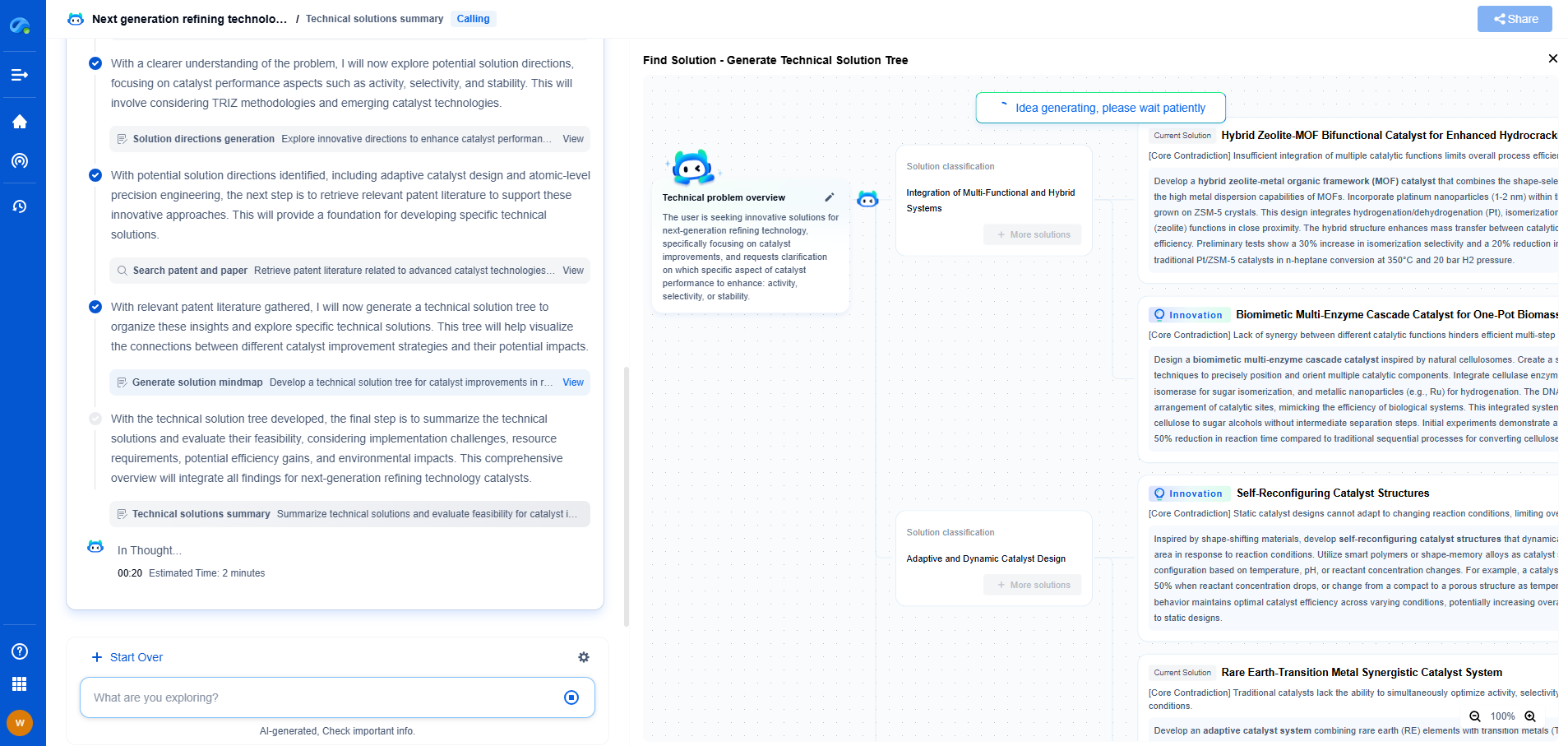
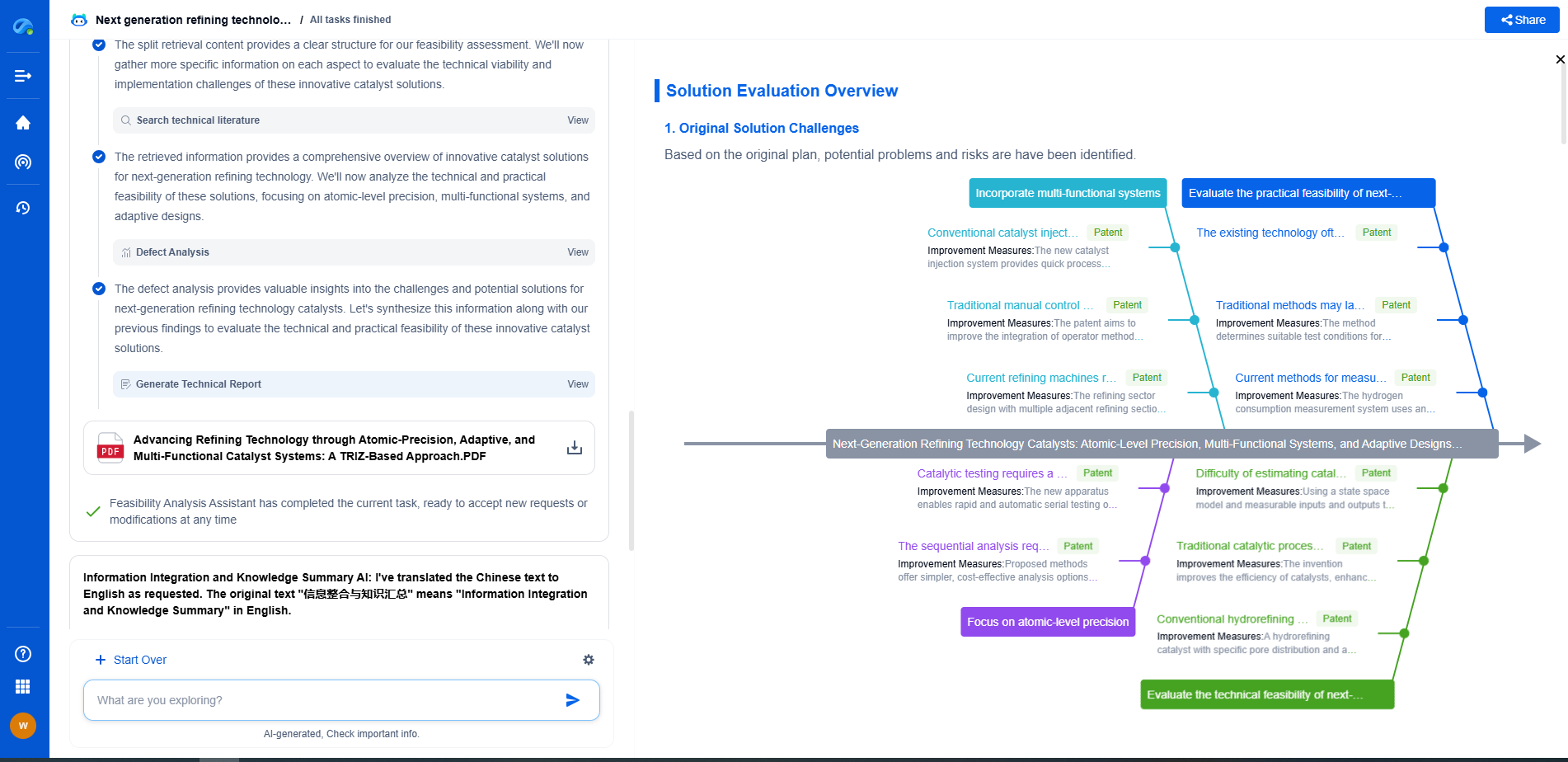
Patsnap Eureka, our intelligent AI assistant built for R&D professionals in high-tech sectors, empowers you with real-time expert-level analysis, technology roadmap exploration, and strategic mapping of core patents—all within a seamless, user-friendly interface.
👉 Try Patsnap Eureka today to accelerate your journey from ML ideas to IP assets—request a personalized demo or activate your trial now.