What Is Root Cause Analysis (RCA) in Control Engineering?
JUL 2, 2025 |
Understanding Root Cause Analysis
Root cause analysis is a systematic approach used to pinpoint the underlying issues that contribute to a problem. Unlike a superficial examination that might only address the symptoms of a problem, RCA digs deeper to find the true origin of the issue. This process is crucial in control engineering, where even minor disruptions can lead to significant operational failures and safety hazards.
The Importance of RCA in Control Engineering
Control engineering involves designing systems that manage and regulate processes and machinery. Given the complexity of these systems, failures can arise from numerous sources, including hardware malfunctions, software errors, or human factors. RCA helps engineers identify these sources, ensuring that solutions are not just temporary fixes but long-lasting improvements.
Implementing RCA in Control Engineering
1. **Problem Identification**: The first step in RCA is to clearly define the problem. This involves collecting data, reviewing system logs, and consulting operational staff to understand the issue's nature and extent.
2. **Data Collection and Analysis**: Gathering relevant data is crucial in identifying potential root causes. Engineers may use tools like check sheets, control charts, and fault trees to organize and analyze information systematically.
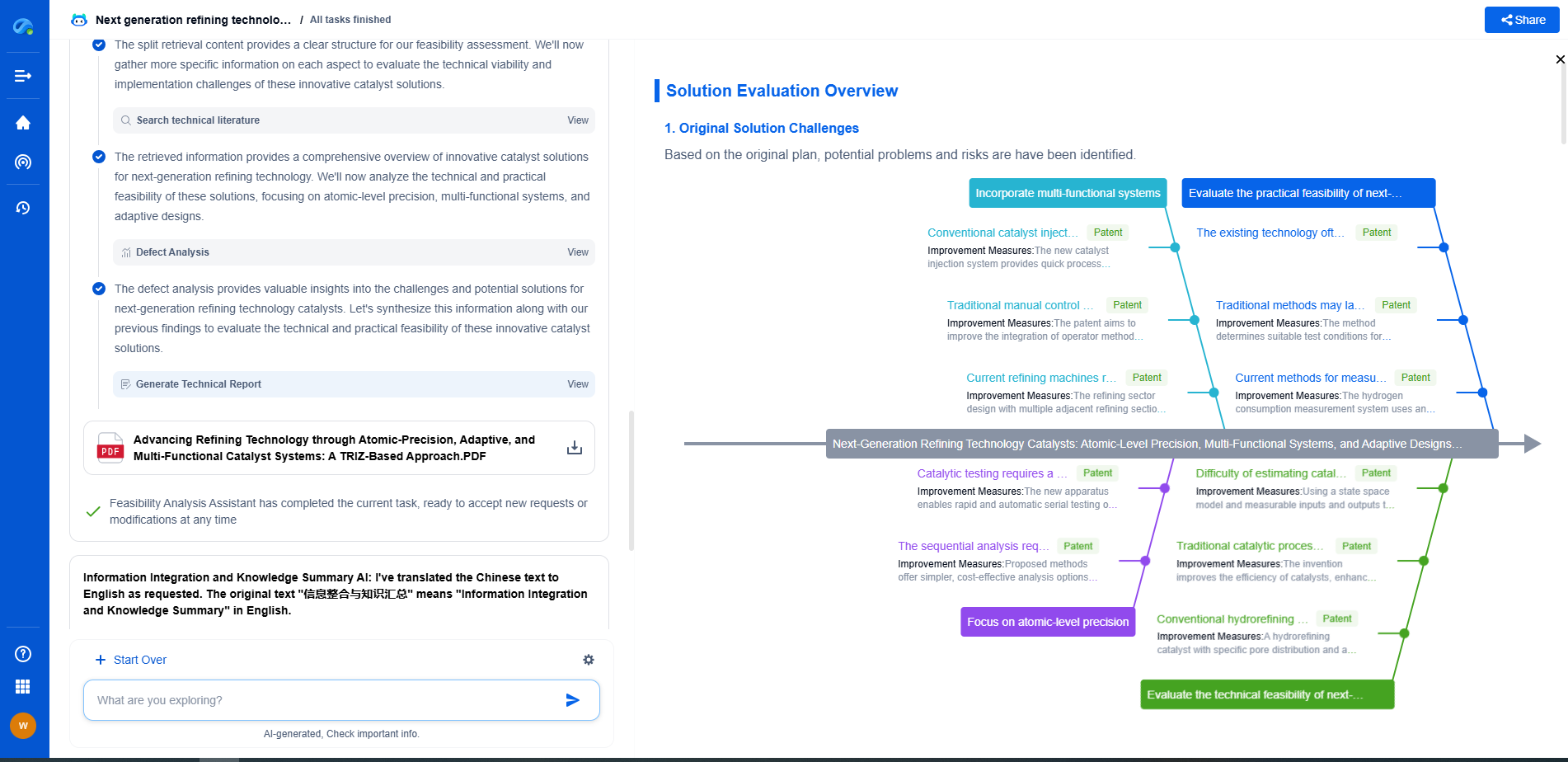
3. **Identifying Root Causes**: Once data is collected, engineers employ various techniques to identify the root cause. Common methods include the "5 Whys" technique, cause-and-effect diagrams (Ishikawa or fishbone diagrams), and Pareto analysis. These tools help in tracing the problem back to its source by exploring different pathways and relationships within the system.
4. **Developing Solutions**: After identifying the root cause, the next step is to develop and implement solutions. This might involve redesigning certain system components, updating software, or retraining personnel to prevent human errors.
5. **Verification and Monitoring**: Implemented solutions must be verified to ensure they effectively address the root cause. Continuous monitoring is essential to confirm that the problem does not recur and that the system performs reliably over time.
Challenges in RCA
Despite its benefits, RCA in control engineering can be challenging. Complex systems may have multiple interrelated issues, making root cause identification difficult. Additionally, data collection can be resource-intensive, requiring significant time and expertise. Engineers must also remain unbiased in their analysis, avoiding the temptation to jump to conclusions without thorough investigation.
The Role of Technology in RCA
Advancements in technology have significantly enhanced the RCA process. Modern tools and software enable engineers to perform more accurate and efficient analyses. For example, machine learning algorithms can quickly process vast amounts of data to identify patterns and potential root causes. Simulation software allows engineers to test solutions virtually before implementing them in the real world, reducing the risk of unintended consequences.
Conclusion
Root cause analysis is a vital component of control engineering that ensures long-term system reliability and efficiency. By systematically identifying and addressing the fundamental causes of problems, engineers can enhance system performance, reduce downtime, and improve safety. Despite the challenges involved, the benefits of RCA make it an indispensable tool in the field of control engineering, and ongoing technological advancements continue to support and streamline this critical process.
Ready to Reinvent How You Work on Control Systems?
Designing, analyzing, and optimizing control systems involves complex decision-making, from selecting the right sensor configurations to ensuring robust fault tolerance and interoperability. If you’re spending countless hours digging through documentation, standards, patents, or simulation results — it's time for a smarter way to work.
Patsnap Eureka is your intelligent AI Agent, purpose-built for R&D and IP professionals in high-tech industries. Whether you're developing next-gen motion controllers, debugging signal integrity issues, or navigating complex regulatory and patent landscapes in industrial automation, Eureka helps you cut through technical noise and surface the insights that matter—faster.
👉 Experience Patsnap Eureka today — Power up your Control Systems innovation with AI intelligence built for engineers and IP minds.