Why Do Pipelines Leak? Top Integrity Threats Explained
JUN 20, 2025 |
Corrosion: The Silent Enemy
Corrosion is one of the most pervasive and insidious threats to pipeline integrity. It occurs when materials are degraded by chemical reactions with their environment, leading to the weakening and eventual failure of pipeline structures. Pipeline corrosion can be external, caused by soil and atmospheric conditions, or internal, resulting from the transported substances. Over time, corrosion can create small leaks that are difficult to detect, eventually leading to significant ruptures if not addressed. Regular inspections and the use of corrosion-resistant materials are essential strategies to combat this silent enemy.
Mechanical Damage: The Impact of External Forces
Pipelines are vulnerable to mechanical damage from external forces, which can occur during construction, maintenance, or from third-party activities like excavation and farming. Accidental strikes by construction equipment, vehicles, or tools can dent, puncture, or bend pipelines, compromising their structural integrity. Third-party damage is a leading cause of pipeline leaks and often results from a lack of coordination or communication between pipeline operators and other parties. Implementing robust protection measures, such as pipeline markers and real-time monitoring systems, can help prevent such incidents.
Material Defects: The Weak Links in the Chain
Material defects, whether inherent or introduced during manufacturing and installation, can significantly impact pipeline integrity. Defects such as cracks, weld flaws, or poorly constructed joints can become focal points for failure under operational stress. These flaws may not be immediately apparent and can worsen over time due to the pressures and environmental conditions pipelines are subjected to. To address this threat, stringent quality control measures during the manufacturing and installation processes are critical, along with regular inspections to identify and rectify defects before they lead to leaks.
Environmental Factors: Nature's Role in Pipeline Integrity
Environmental factors, such as temperature fluctuations, soil movement, and natural disasters, play a significant role in pipeline integrity. Extreme temperatures can cause expansion and contraction of pipeline materials, leading to stress and potential fracture points. Soil erosion or landslides can expose or shift pipelines, increasing the likelihood of leaks. Natural disasters like earthquakes or floods can cause immediate and severe damage to pipelines. To mitigate these risks, pipeline routes should be carefully planned, considering geological stability and climate conditions, and pipelines should be designed to withstand environmental stresses.
Aging Infrastructure: Time Takes Its Toll
Many pipelines in operation today were constructed decades ago, making aging infrastructure a significant concern. Over time, pipelines may experience wear and tear due to continuous use and exposure to environmental conditions. Older pipelines might not meet current safety standards or lack modern protective technologies, leaving them more susceptible to leaks. Investment in pipeline modernization, regular maintenance, and employing advanced inspection technologies are vital to ensure that aging infrastructure does not lead to catastrophic failures.
Operational Errors: Human Factors and Pipeline Safety
Human error is an often-overlooked threat to pipeline integrity. Operational mistakes, such as incorrect pressure settings, improper maintenance procedures, or inadequate monitoring, can lead to leaks. Training pipeline personnel thoroughly and implementing stringent operational protocols are crucial to minimizing this risk. Moreover, embracing automation and remote monitoring technologies can help reduce the likelihood of human error and enhance response times to potential leaks.
Conclusion
Pipeline leaks are the result of a complex interplay of various factors, including corrosion, mechanical damage, material defects, environmental influences, aging infrastructure, and operational errors. Addressing these threats requires a multifaceted approach involving modern technology, rigorous maintenance, proactive management, and continuous investment in infrastructure. By understanding and mitigating these threats, we can ensure that pipelines remain safe, reliable, and efficient in delivering the resources upon which we all depend.
Transform the Way You Innovate in Pipeline Technology—with AI-Powered Intelligence
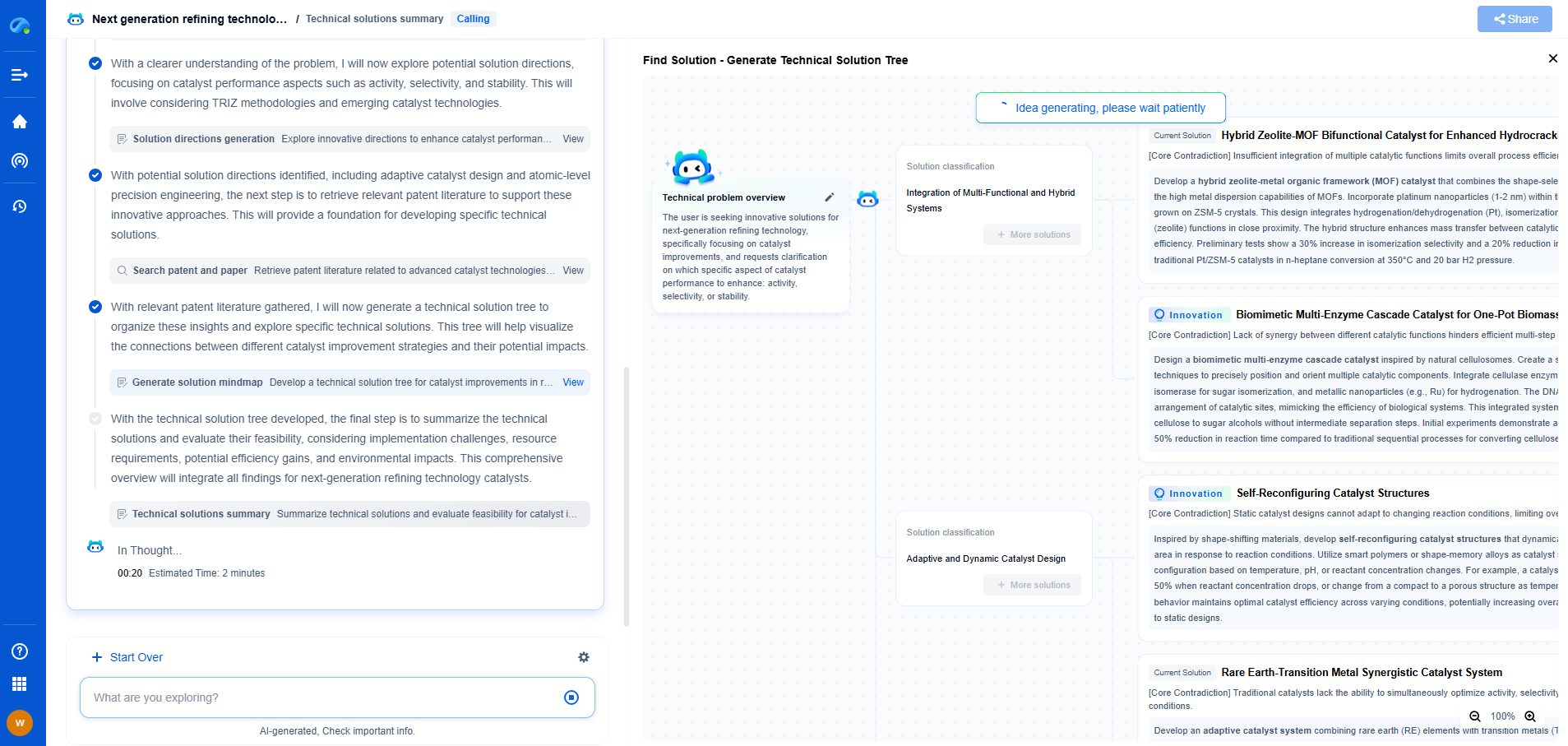
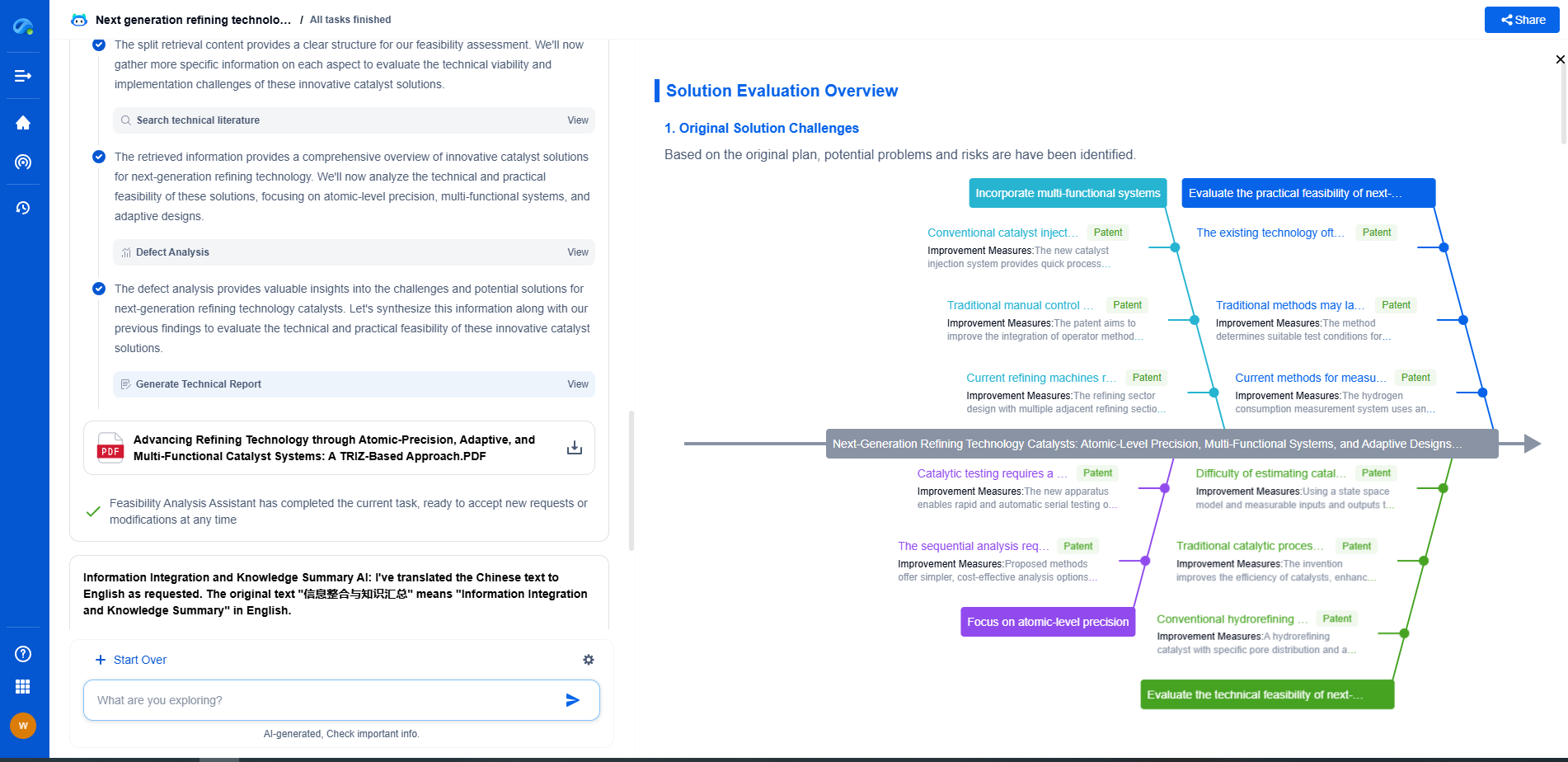
From corrosion-resistant materials to smart monitoring systems and advanced flow control mechanisms, the pipeline industry is undergoing rapid technological transformation. Yet keeping up with evolving engineering solutions, regulatory landscapes, and competitive patents can be a major bottleneck for R&D and IP teams.
Patsnap Eureka is your AI-powered research companion—built specifically for professionals in high-tech and infrastructure domains like pipeline technology. Whether you're designing high-pressure transport systems, assessing trenchless installation innovations, or safeguarding proprietary flow assurance solutions, Eureka provides real-time insights into global patent trends, emerging technologies, and R&D intelligence—all in one intuitive interface.
Empower your team to innovate faster, reduce technical blind spots, and stay ahead of industry shifts. Discover Patsnap Eureka today and bring clarity and confidence to your pipeline technology decisions.