Why Use Transfer Learning Instead of Training from Scratch?
JUN 26, 2025 |
In the ever-evolving world of artificial intelligence and machine learning, new methodologies are constantly being developed to optimize and expedite the training process of models. Among these, transfer learning has emerged as a powerful technique, offering significant advantages over training models from scratch. This blog will explore the rationale behind using transfer learning, its benefits, and its growing importance in the field of AI.
Understanding Transfer Learning
Transfer learning is a machine learning approach where a model developed for a particular task is reused as the starting point for a model on a second, related task. This method leverages the knowledge gained from the first task to improve the learning efficiency and performance of the new task. In contrast, training from scratch involves initializing a model with random weights and requires extensive data and computational resources to achieve optimal performance.
Benefits of Transfer Learning
1. **Reduced Computational Costs and Training Time**
One of the most significant advantages of transfer learning is the reduction in computational costs and training time. Training a deep neural network from scratch can be an arduous process, often necessitating high-performance computing resources and extensive time. By utilizing a pre-trained model, transfer learning circumvents these demands, allowing developers to achieve high performance with significantly fewer resources and in less time.
2. **Improved Model Performance**
Transfer learning often results in improved model performance, especially when dealing with limited data. Pre-trained models have already learned a wide array of features from massive datasets, such as ImageNet in the case of convolutional neural networks. These models provide a solid foundation for further learning, enabling better accuracy and generalization in the target domain when fine-tuned with the specific dataset.
3. **Efficiency with Limited Data**
Gathering and labeling large datasets is a major hurdle in machine learning. Transfer learning mitigates this challenge by enabling the use of smaller, task-specific datasets. Since the pre-trained model already possesses a comprehensive understanding of numerous features, it requires less data to adapt to new tasks, making it particularly useful in scenarios where data is scarce or expensive to collect.
4. **Application Across Various Domains**
Transfer learning is not limited to a single field; its applications span across numerous domains including natural language processing, image recognition, and even complex fields such as medical diagnosis and autonomous driving. For example, models trained on general image datasets can be adapted for specialized tasks like detecting tumors in medical imaging, showcasing the versatility of transfer learning.
Challenges and Considerations
While transfer learning offers remarkable benefits, there are certain challenges and considerations to keep in mind. The success of transfer learning is highly dependent on the similarity between the source and target tasks. If the tasks are too dissimilar, the pre-trained model may be less effective, requiring substantial fine-tuning.
Additionally, there is a risk of overfitting, especially when the target dataset is very small. Careful monitoring of model performance and implementing techniques like data augmentation and regularization are crucial to mitigate this risk.
Conclusion
In conclusion, transfer learning stands out as a vital technique in the machine learning toolkit, offering reduced training time, improved performance, and efficient use of limited data. Its versatility across various domains makes it an attractive choice for researchers and practitioners. As AI continues to advance, transfer learning will undoubtedly play a pivotal role, facilitating the development of innovative solutions with increased efficiency and effectiveness.
Unleash the Full Potential of AI Innovation with Patsnap Eureka
The frontier of machine learning evolves faster than ever—from foundation models and neuromorphic computing to edge AI and self-supervised learning. Whether you're exploring novel architectures, optimizing inference at scale, or tracking patent landscapes in generative AI, staying ahead demands more than human bandwidth.
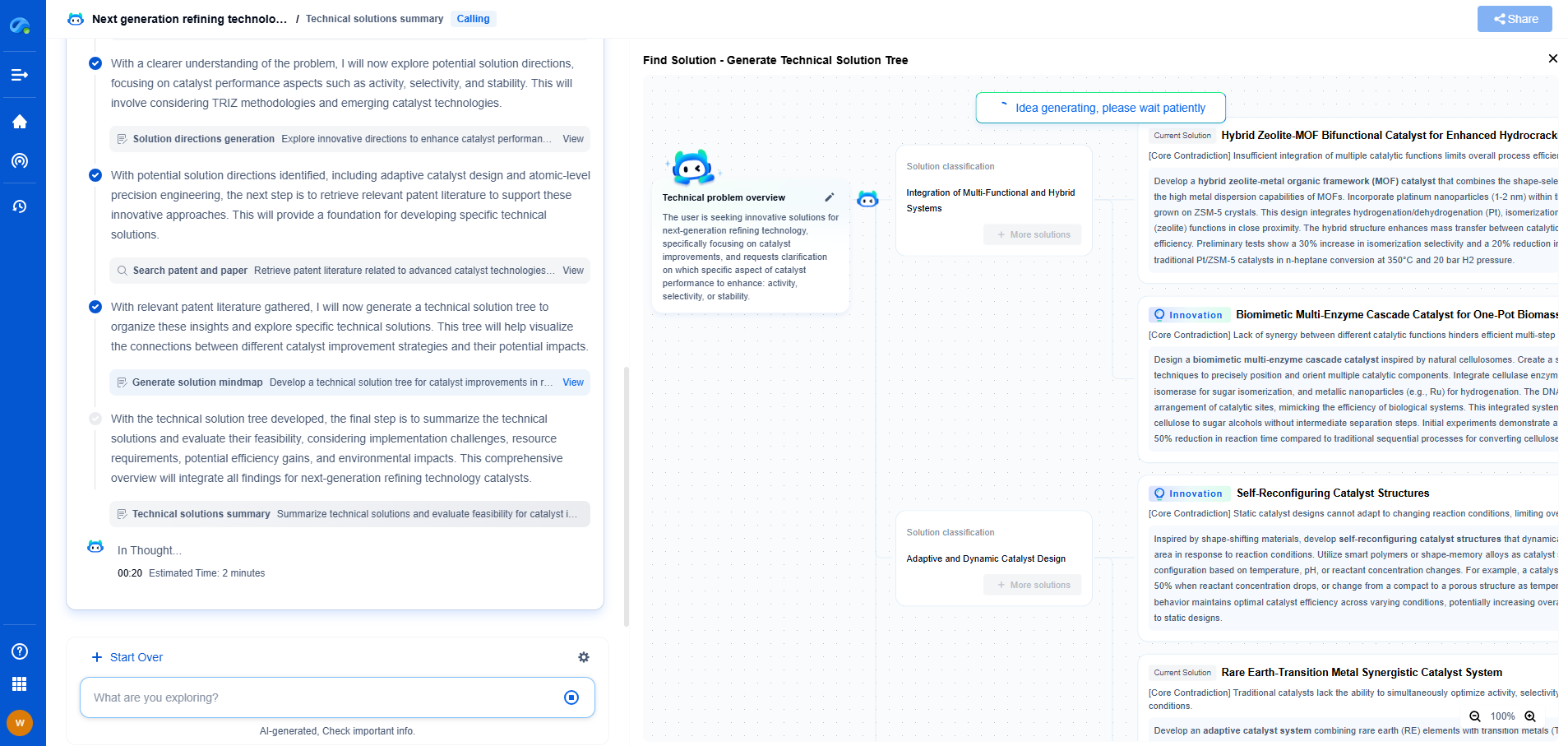
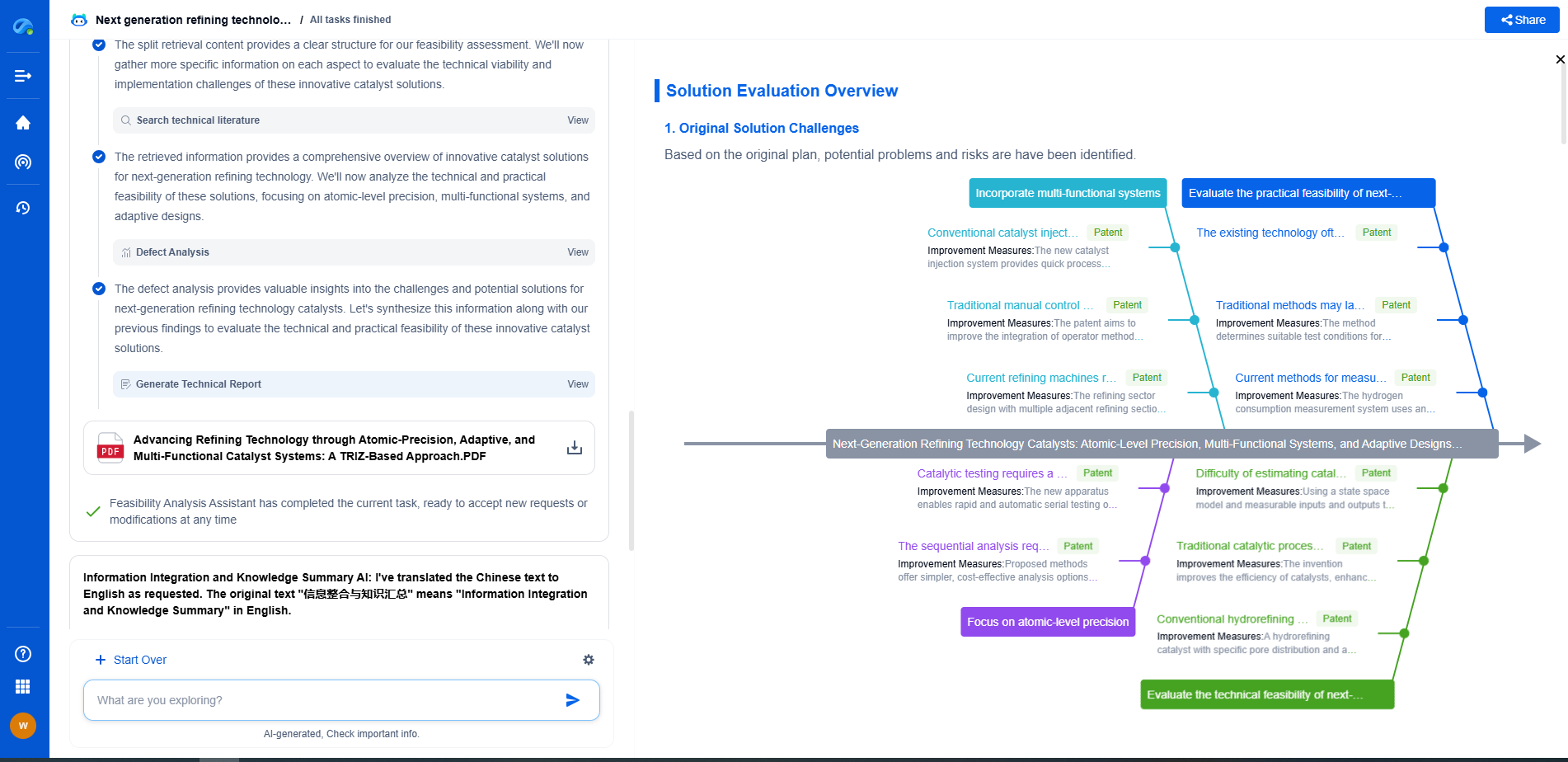
Patsnap Eureka, our intelligent AI assistant built for R&D professionals in high-tech sectors, empowers you with real-time expert-level analysis, technology roadmap exploration, and strategic mapping of core patents—all within a seamless, user-friendly interface.
👉 Try Patsnap Eureka today to accelerate your journey from ML ideas to IP assets—request a personalized demo or activate your trial now.