Zero-Latency Handover: Myth or Future Reality?
JUL 7, 2025 |
In the rapidly evolving world of telecommunications, one concept that has captured the imagination of industry experts and enthusiasts alike is the idea of zero-latency handover. As mobile networks strive to offer seamless connectivity, the vision of transitioning between networks, towers, or technologies without any perceptible delay is tantalizing. But what exactly does zero-latency handover entail, and is it a myth or a feasible future reality?
The Need for Seamless Connectivity
In our increasingly connected world, mobile users expect uninterrupted service wherever they are and whatever they are doing. Whether it's streaming a video, attending a virtual meeting, or navigating through a busy city, any delay or drop in connectivity can be frustrating and disruptive. Traditional handover processes, which involve switching a mobile device's connection from one cell tower to another, often come with brief latency, affecting the user experience. Hence, the concept of zero-latency handover becomes not just desirable, but necessary for maintaining user satisfaction and enabling advanced applications like augmented reality and autonomous vehicles.
Technical Challenges in Achieving Zero-Latency
Achieving zero-latency handover is fraught with technical challenges. First, there's the issue of network signaling, which involves the exchange of information between a mobile device and network nodes to facilitate handover. This process currently incurs delay due to the complexity of signaling protocols and the time taken to execute them. Furthermore, the variability in network conditions, such as congestion and interference, can exacerbate these delays.
Another significant hurdle is the integration of diverse network technologies. Modern mobile networks comprise different types of access technologies, such as 4G, 5G, Wi-Fi, and satellite communications. Seamlessly transitioning between these technologies without latency is challenging due to differences in architecture and standards.
Innovations and Research Driving Progress
Despite these challenges, significant strides are being made towards realizing zero-latency handover. One promising approach is the use of predictive analytics and machine learning to anticipate handover events and prepare networks in advance. By analyzing user patterns and network conditions, algorithms can preemptively establish connections with target cells, minimizing the transition time.
Additionally, advancements in network infrastructure, such as the deployment of 5G technology, offer greater bandwidth and reduced latency. The introduction of edge computing, which brings computation closer to the user, also holds potential for reducing handover latency by minimizing the distance data has to travel.
The Role of Standardization
Standardization plays a crucial role in achieving zero-latency handover. The development of common protocols and interfaces is essential for interoperability between diverse network components and technologies. Organizations such as the International Telecommunication Union (ITU) and 3rd Generation Partnership Project (3GPP) are working towards standardizing handover procedures to enable more seamless transitions.
Moreover, collaboration between telecom operators, equipment manufacturers, and software developers is vital for developing and implementing these standards worldwide. By fostering a unified approach, the industry can overcome technical barriers and bring the vision of zero-latency handover closer to reality.
Real-World Applications and Implications
The realization of zero-latency handover would have profound implications for various sectors. In healthcare, mobile connectivity is crucial for telemedicine and remote monitoring, where any delay can impact patient outcomes. The automotive industry, with its focus on autonomous vehicles, requires instant communication between vehicles and infrastructure to ensure safety and efficiency.
Moreover, in entertainment and gaming, zero-latency handover could enhance experiences by enabling uninterrupted streaming and responsive gameplay. The potential for innovation is immense, unlocking new possibilities in fields that depend heavily on real-time data and communications.
Conclusion: Myth or Future Reality?
Zero-latency handover is an ambitious goal and, while it may seem like a myth today, the rapid pace of technological advancement suggests it could become a reality in the near future. As researchers continue to overcome technical challenges and drive innovation, the dream of seamless, delay-free connectivity is becoming increasingly plausible.
Ultimately, the journey towards zero-latency handover is not just about technology; it's about reshaping the way we interact with the digital world. By ensuring uninterrupted connectivity, we pave the way for a future where digital experiences are more immersive, engaging, and transformative. As the telecommunications industry continues to push the boundaries, zero-latency handover may transition from a visionary concept to an integral part of our everyday lives.
Empower Your Wireless Innovation with Patsnap Eureka
From 5G NR slicing to AI-driven RRM, today’s wireless communication networks are defined by unprecedented complexity and innovation velocity. Whether you’re optimizing handover reliability in ultra-dense networks, exploring mmWave propagation challenges, or analyzing patents for O-RAN interfaces, speed and precision in your R&D and IP workflows are more critical than ever.
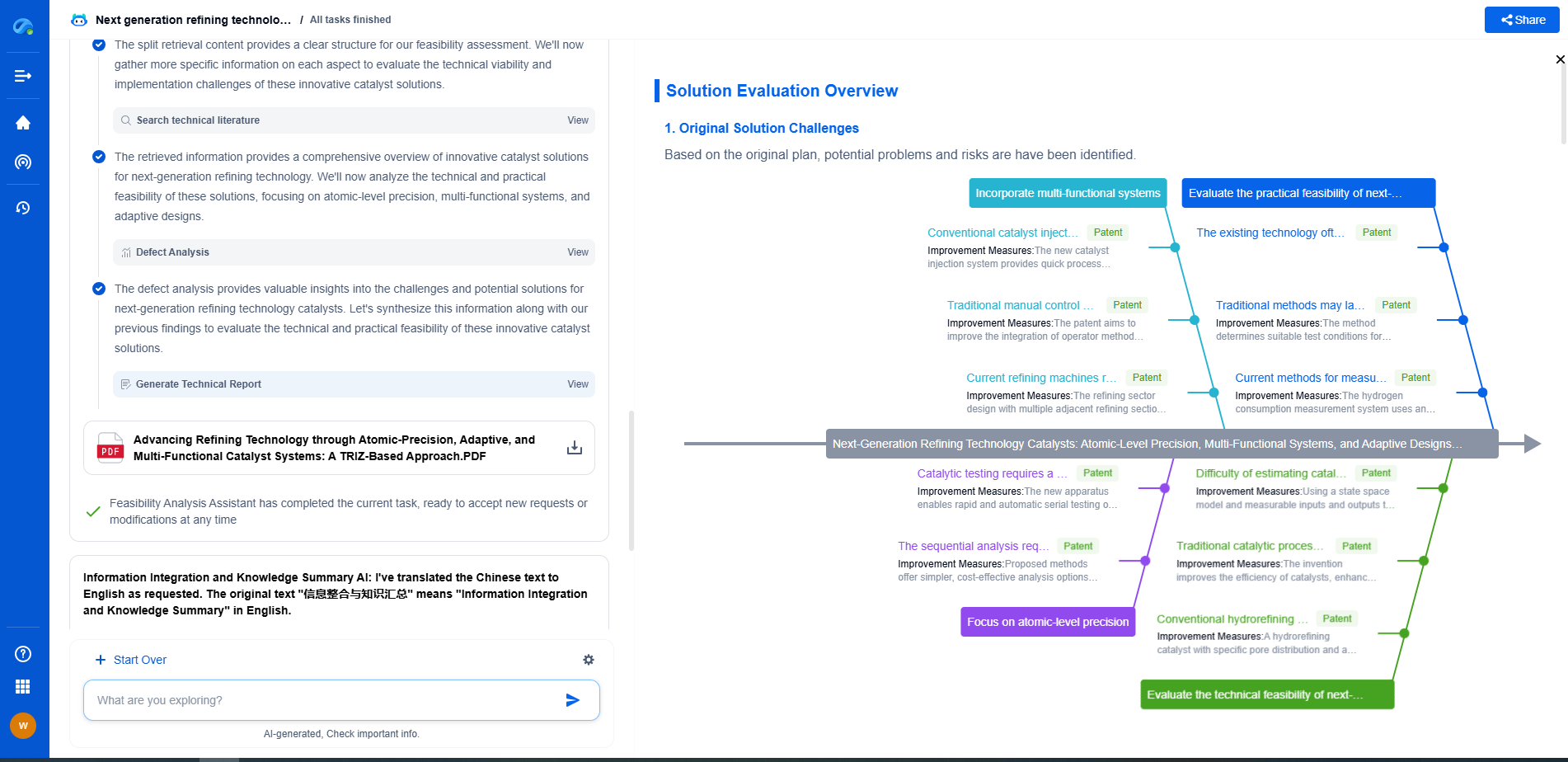
Patsnap Eureka, our intelligent AI assistant built for R&D professionals in high-tech sectors, empowers you with real-time expert-level analysis, technology roadmap exploration, and strategic mapping of core patents—all within a seamless, user-friendly interface.
Whether you work in network architecture, protocol design, antenna systems, or spectrum engineering, Patsnap Eureka brings you the intelligence to make faster decisions, uncover novel ideas, and protect what’s next.
🚀 Try Patsnap Eureka today and see how it accelerates wireless communication R&D—one intelligent insight at a time.