


A 5-cylinder engine balances the compact size of a 4-cylinder with the power of a 6-cylinder. Known for its smooth power delivery, strong torque, and distinct sound, it has been used in performance, luxury, and commercial vehicles. Though less common than 4- or 6-cylinder engines, manufacturers like Audi, Volvo, and Ford have successfully integrated them into their lineups. This article explores the history, performance, advantages, and applications of the 5-cylinder engine.
What Is a 5-Cylinder Engine
What is a 5-cylinder engine? Eureka Technical Q&A explores its unique balance of power and efficiency, highlighting its advantages, sound characteristics, and applications in automotive performance.

A 5-cylinder engine features five cylinders arranged in an inline configuration. It is longer than a 4-cylinder but more compact than an inline-6.
These engines offer a balance of power, efficiency, and size. They deliver smoother power and more torque than 4-cylinder engines while being lighter and more fuel-efficient than 6-cylinder engines.
How a 5-Cylinder Engine Works
Basic Operating Principle
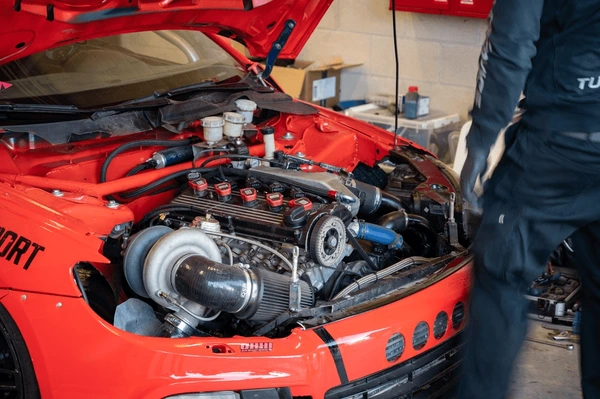
Like other internal combustion engines, this design follows the four-stroke cycle: intake, compression, power, and exhaust. Each piston moves up and down, compressing the fuel-air mixture and creating controlled explosions. These explosions generate force, which transfers to the crankshaft to produce power.
Engine Operation
This engine features five cylinders, each containing a piston that moves in and out. As the pistons fire in sequence, they create continuous power strokes that generate torque. This firing order produces a distinctive sound and a unique power delivery.
Ignition and Fuel Delivery
Each cylinder contains a spark plug that ignites the fuel-air mixture. The engine control unit (ECU) precisely manages fuel injection and ignition timing to maximize performance and efficiency. Many models use advanced fuel injection systems to optimize fuel delivery.
Advantages of 5-Cylinder Engines
Smoother Power Delivery
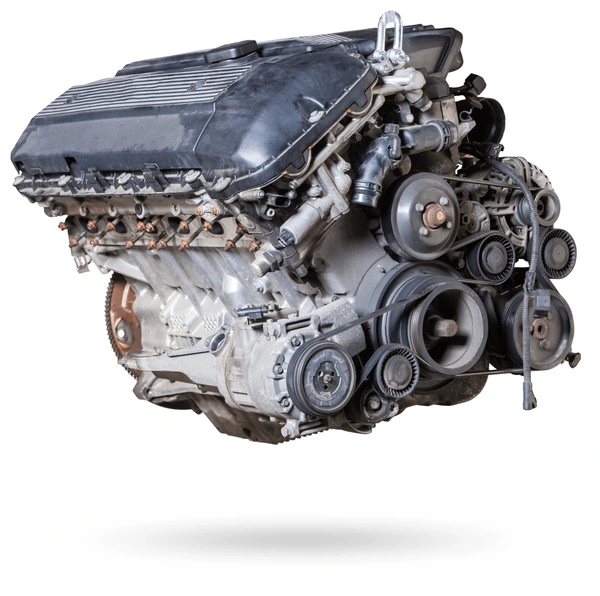
The odd number of cylinders creates a balanced firing sequence, reducing vibration. This results in smoother acceleration and better driving comfort.
Higher Torque Output
A 5-cylinder engine produces more torque than a 4-cylinder, especially at low RPMs. This makes it ideal for turbocharged applications and performance vehicles.
Compact Size Compared to a 6-Cylinder
A 5-cylinder engine is shorter and lighter than an inline-6 or V6. It is a great option for smaller cars, SUVs, and vans needing more power but limited engine bay space.
Unique Exhaust Sound
The asymmetric firing sequence creates a distinct exhaust note. It sounds deeper and more aggressive than a 4-cylinder but not as smooth as a V6 or inline-6.
Disadvantages of 5-Cylinder Engines
Cost and Complexity
Due to their rare design, 5-cylinder engines can be more expensive to manufacture and maintain than 4-cylinder or 6-cylinder engines.
Fuel Efficiency
Although more efficient than a 6-cylinder, 5-cylinder engines can use more fuel than modern turbocharged 4-cylinder engines.
Limited Availability
Most automakers favor turbocharged 4-cylinder or 6-cylinder engines, making 5-cylinder engines rare. They are mostly found in Audi, Volvo, and older Ford models.
Notable 5-Cylinder Engines
Audi 2.5L Turbocharged I5
Audi’s legendary 2.5L turbocharged inline-5, used in the RS3 and TT RS, produces over 400 horsepower. It is known for its performance and sound.
Volvo 2.5L T5 Engine
Volvo used turbocharged inline-5 engines in models like the S60 T5 and V70 R. They offered a blend of power and efficiency.
Ford Duratec 2.5L I5
Ford’s 2.5L 5-cylinder engine powered vehicles like the Focus ST and Kuga. It provided strong mid-range torque and an aggressive exhaust note.
Applications of 5-Cylinder Engines
| Manufacturer | Model | Engine Specs |
|---|---|---|
| Audi | RS3, TT RS, Quattro Rally Cars | 2.5L Turbo I5, 400+ hp |
| Volvo | S60 T5, V70 R, XC90 | 2.3-2.5L Turbo I5, 250-300 hp |
| Ford | Focus ST (Europe), Kuga | 2.5L Turbo I5, 220 hp |
| Acura/Honda | Vigor, TL | 2.5L NA I5, 176 hp |
| Mercedes-Benz | W123/W124 Diesel | 3.0L Diesel I5, 125 hp |
Comparison: 5-Cylinder vs. 4-Cylinder vs. 6-Cylinder
| Feature | 5-Cylinder Engine | 4-Cylinder Engine | 6-Cylinder Engine |
|---|---|---|---|
| Power Output | Moderate to high | Lower | Higher |
| Fuel Efficiency | Moderate | Highest | Lower |
| Vibration and Smoothness | Better than 4-cylinder | More vibration | Smoothest |
| Weight and Size | Compact | Most compact | Heaviest |
| Performance | Strong mid-range torque | Lower torque | Higher horsepower potential |
5-cylinder engines provide better torque and smoother power than 4-cylinders. It is also lighter and more compact than a 6-cylinder, making it a great compromise.
FAQs About 5-Cylinder Engines
Why did car manufacturers stop using 5-cylinder engines
Many automakers switched to turbocharged 4-cylinder or small V6 engines. These offer better fuel efficiency and lower production costs.
What cars still use 5-cylinder engines
Modern Audi RS models, like the RS3 and TT RS, still use turbocharged 5-cylinder engines. Older Volvo and Ford models also featured them.
Is a 5-cylinder engine better than a 4-cylinder
A 5-cylinder engine produces more power and torque than a 4-cylinder, delivering a smoother driving experience. However, 4-cylinder engines are usually more fuel-efficient and cheaper to maintain.
Do 5-cylinder engines last long
Yes, 5-cylinder engines are durable when properly maintained. Volvo’s 5-cylinder engines, in particular, are known for their reliability.
What do 5-cylinder engines sound like
5-cylinder engines have a unique, aggressive exhaust note. It combines the characteristics of a 4-cylinder and a V8, making it popular among car enthusiasts.
Conclusion
The 5-cylinder engine offers a rare but well-balanced mix of power, smoothness, and sound. While less common than 4- or 6-cylinder engines, manufacturers like Audi, Volvo, and Ford have successfully used them in performance and luxury vehicles. As turbocharged 4-cylinder engines become more popular, 5-cylinder engines are becoming rare. However, they remain a favorite among car enthusiasts, particularly in high-performance models like the Audi RS3 and TT RS. Their combination of power, efficiency, and distinctive sound ensures they will always have a special place in automotive history.
To get detailed scientific explanations of 5-Cylinder Engine, try Patsnap Eureka.
