


An induction range has revolutionized cooking technology in recent years, offering a highly efficient, precise, and safe alternative to traditional gas and electric stovetops. Powered by electromagnetic fields, induction ranges heat cookware directly, reducing energy waste and allowing for more precise temperature control. This article explores the features, benefits, and various types of induction ranges, comparing them to other cooking technologies to help you make an informed decision.
What is an Induction Range?
An induction range is a type of kitchen appliance that uses electromagnetic energy to directly heat cooking vessels. Unlike gas or electric ranges that use indirect heat sources, induction ranges generate heat directly in the pan, making the cooking process faster and more efficient.
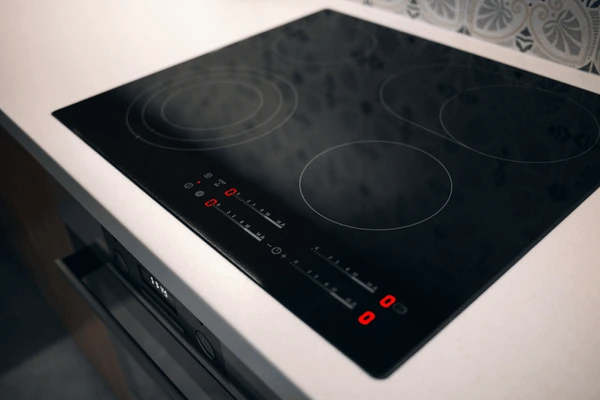
Key Features of Induction Ranges:
- Electromagnetic Heating: Induction ranges use electromagnetic coils beneath the cooktop surface to create an electromagnetic field that heats the cookware itself.
- Fast Cooking: Because heat is generated directly in the pan, induction ranges cook food faster than conventional methods.
- Energy Efficiency: Induction technology is highly efficient, as less heat is lost to the surrounding air, leading to lower energy consumption.
- Precise Control: Induction ranges allow for precise temperature adjustments, making them ideal for delicate cooking tasks.
- Safety Features: Induction cooktops remain cool to the touch, as the surface only heats up when in contact with induction-compatible cookware, reducing the risk of burns.
Types of Induction Ranges
Induction ranges come in various configurations, catering to different cooking needs. Here are the most common types:
1. Freestanding Induction Ranges
These are standalone units that combine a cooktop and oven in one appliance. They are available in different sizes, typically ranging from 24 inches to 36 inches in width. Freestanding induction ranges are ideal for those who want a seamless kitchen experience.
Key Benefits
- Combined cooktop and oven for space-saving.
- Ideal for families or those who do a lot of cooking.
- Easy installation, typically fitting into existing kitchen layouts.
2. Slide-In Induction Ranges
Slide-in induction ranges offer a more custom, built-in look without the need for cabinetry modification. They sit flush with kitchen countertops, creating a sleek, modern aesthetic.

Key Benefits
- Seamless integration with existing countertops.
- Often come with additional premium features such as smart technology and advanced cooking modes.
- Provides a professional and clean look in your kitchen.
3. Drop-In Induction Ranges
These induction ranges are built into the countertop, with the oven unit located below the cooktop. They are more commonly seen in custom kitchens and offer a more high-end, personalized cooking experience.
Key Benefits
- Offers a custom design for unique kitchen layouts.
- Ideal for high-end kitchens with specific cooking needs.
- Takes up less visual space, offering a more minimalist look.
Key Advantages of Induction Ranges
1. Efficiency and Speed
Induction ranges heat up faster than traditional cooking methods. The direct heat transfer from the electromagnetic coils to the cookware means your food will cook more quickly. Studies show that induction cooking can be up to 50% faster than gas or electric ranges.
2. Precise Temperature Control
One of the standout features of induction ranges is the ability to control heat with pinpoint accuracy. Whether you’re simmering sauces or sautéing vegetables, the heat adjustments are immediate, offering better results compared to gas or electric stovetops.
3. Energy Savings
Induction cooking is more energy-efficient compared to gas or electric ranges. Around 85-90% of the energy used is transferred directly to the cookware, compared to about 65% for electric and gas cooking. This reduces both cooking time and energy costs.
4. Safety
Induction ranges are designed with multiple safety features. They only heat up when compatible cookware is detected, which minimizes the risk of burns. Additionally, many models come with child-lock options and automatic shut-off features to further enhance safety.
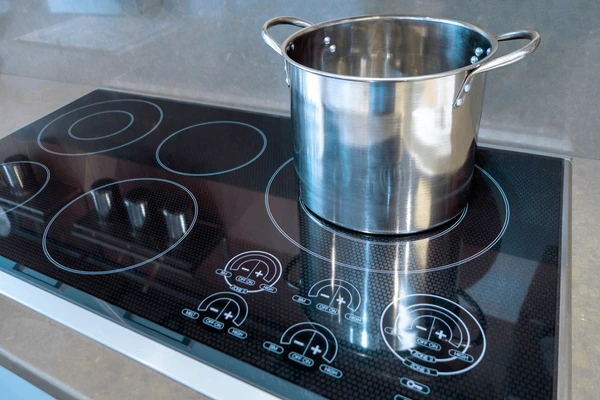
Comparisons: Induction Range vs. Gas and Electric
Induction vs. Gas
While gas ranges are still a popular choice, induction ranges offer faster heating, more precise control, and enhanced energy efficiency. Gas stoves generate heat externally, which means more heat is lost in the cooking process. On the other hand, induction cooktops heat only the pan, resulting in less wasted heat.
Induction vs. Electric
Electric ranges, while also efficient, take longer to heat and cool down compared to induction models. Induction ranges are known for faster cooking times and better temperature control, making them a better choice for professionals and home cooks alike.
Common Features in Top Induction Ranges
- Smart Technology: Some induction ranges now come with smart features, including Wi-Fi connectivity, voice control, and app integration. These allow users to monitor and control their cooking remotely, adding a layer of convenience.
- Flex Zones: Many modern induction ranges come with flex zones, which allow you to combine multiple burners into a larger cooking area for larger pots and pans.
- Easy-to-Clean Surfaces: Since induction cooking doesn’t generate heat on the cooktop itself, spills and splatters are less likely to burn onto the surface, making cleaning much easier.
Real-World Examples
- Samsung Flex Duo Induction Range: This high-end model offers smart technology, a dual oven, and precise induction heating. It’s ideal for those who need both high performance and convenience in the kitchen.
- Bosch 800 Series Induction Range: Known for its sleek design and energy-efficient cooking, the Bosch 800 Series provides top-of-the-line induction technology along with precise temperature control and an easy-to-clean surface.
| Product/Project | Technical Outcomes | Application Scenarios |
|---|---|---|
| Wolf Induction Range | Precise temperature control and quick heating/cooling times. | High-end residential kitchens and professional cooking environments. |
| Thermador Induction Pro Range | Powerful 5.5 kW induction elements for fast boiling and searing. | Home kitchens with demanding cooking needs, such as rapid boiling or searing. |
| Miele SmartLine Induction Range | Energy-efficient induction technology with automatic pan detection. | Residential kitchens focused on energy savings and convenience. |
Conclusion
Induction ranges are becoming increasingly popular for their efficiency, safety, and advanced technology. Whether you’re a professional chef or a home cook, the precision and speed of induction cooking can elevate your kitchen experience. By choosing the right induction range, you’ll benefit from faster cooking, energy savings, and a safer cooking environment. With several options available, you can find the perfect induction range to suit your needs, from freestanding models to sleek, built-in designs.
To get detailed scientific explanations of the induction range, try Patsnap Eureka.
