


Overview of API Types and Classifications
API (Application Programming Interface) serves as the backbone of modern software development, enabling communication and interaction between different software systems, applications, and devices. They play a crucial role in streamlining processes, improving interoperability, and fostering innovation across various industries. This article will explore the different types of APIs, their classifications, and how they cater to diverse development needs, helping businesses and developers make informed choices for their projects.
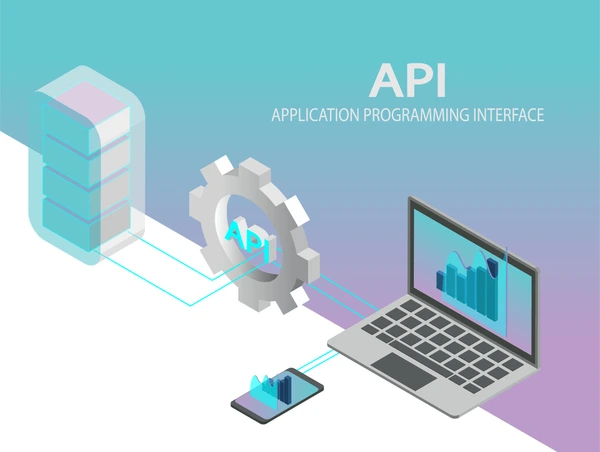
REST APIs: Flexible and Popular
epresentational State Transfer (REST) is an architectural style designed for building distributed systems, particularly hypermedia systems like the World Wide Web. RESTful APIs, or REST APIs, are widely used because they offer scalability, flexibility, and ease of use. By using standard HTTP methods like GET, POST, PUT, and DELETE, REST APIs provide a straightforward way to interact with web resources. They also employ lightweight data formats like JSON and XML for efficient data exchange.
Key Benefits of REST APIs
- Flexibility and Adaptability
REST APIs are designed to evolve without disrupting existing clients. The use of hypermedia links enables dynamic discovery and navigation of resources. - Caching and Performance Optimization
REST APIs support HTTP caching, which reduces server load and speeds up response times. Their stateless design further enhances scalability. - Interoperability Across Platforms
REST APIs are platform-agnostic, allowing them to work seamlessly with different programming languages and systems, making them ideal for diverse environments.
Challenges and Drawbacks of REST APIs
- Inconsistencies in Design
REST lacks strict implementation standards, which can lead to inconsistent designs and varying usability across different APIs. - Bandwidth and Latency Concerns
REST APIs often include rich metadata and detailed representations, which may increase bandwidth use and affect latency, especially in resource-constrained environments. - Managing Versioning and Updates
Updating resource representations or interactions can be complex. Changes must be carefully managed to avoid breaking compatibility with existing clients.
SOAP APIs: Secure and Standardized
SOAP (Simple Object Access Protocol) is a robust protocol designed to enable seamless communication between applications over the internet. It is independent of programming languages and platforms, ensuring flexibility and broad compatibility. By using XML-based messages, SOAP provides a reliable mechanism for exchanging structured data, prioritizing security, integrity, and authentication.
Key Security Features
- Message-Level Security
SOAP ensures message integrity and confidentiality by supporting digital signatures and encryption for specific parts of the XML message. This protects the content during transmission. - WS-Security Implementation
WS-Security introduces headers in SOAP messages to transmit identity information securely. It also enables encryption, authentication, and digital signatures, enhancing overall security. - Transport-Level Security
SOAP can use secure protocols like SSL/TLS for end-to-end communication. This approach encrypts the communication stream, providing an additional layer of protection.
Standardization and Interoperability
- Platform and Language Independence
Since SOAP uses XML, it is platform-agnostic and compatible with various programming languages. This ensures smooth integration between diverse applications. - Standardized Messaging Format
SOAP defines a consistent messaging structure, including headers and bodies, to clearly describe transmitted content. This reduces the need for custom protocols and simplifies communication. - Support for Interoperability
Standards set by organizations like the Web Services Interoperability Organization (WS-I) enhance interoperability, ensuring consistent implementation across various systems.
GraphQL APIs: Dynamic and Efficient
GraphQL is a query language and runtime designed to simplify data retrieval and manipulation across various sources. It addresses the challenges of traditional REST APIs, such as overfetching and underfetching, by allowing clients to specify exactly what data they need.
Advantages of GraphQL
- Efficient Data Retrieval
With GraphQL, clients request only the necessary data, reducing data transfer and improving performance. A single query can access multiple data sources, eliminating extra API calls. - Flexible Query Structure
The hierarchical nature of GraphQL queries supports nested, dependent, and recursive data retrieval, enabling complex and precise data-fetching scenarios. - Strong Type System
GraphQL’s strongly typed schema defines data types and relationships, enhancing development efficiency, enabling advanced tooling, and improving API maintainability. - Seamless API Evolution
GraphQL APIs can evolve without breaking existing clients. New fields and types are added to the schema without requiring multiple API versions, simplifying updates.
Performance and Resource Utilization
GraphQL optimizes resource usage by reducing unnecessary data transfers and enabling parallel processing. It is particularly efficient for dynamic data requirements, though REST APIs might still excel in performance for static, frequently accessed data. Additionally, GraphQL supports streaming responses, minimizing memory usage during data processing.
Adoption and Integration
GraphQL is widely adopted in web and mobile applications as well as data-driven systems. It integrates seamlessly with existing technologies, offering flexibility in data retrieval. However, implementing GraphQL may require specialized tools, such as IDEs for schema management and validation, to streamline development.
WebSocket APIs: Enabling Real-Time Communication
WebSocket is a protocol designed for full-duplex communication over a single TCP connection. It allows real-time, bidirectional data exchange between clients and servers, enabling instant messaging, live updates, and collaborative tools. Operating at the application layer, WebSocket establishes a persistent connection, eliminating the need for repeated requests or long-polling methods.
Advantages Over Traditional HTTP
- Reduced Overhead and Latency
WebSocket’s persistent connections eliminate the repetitive handshakes of HTTP, ensuring faster and more efficient data transfer. - Real-Time Communication
With full-duplex capability, both the client and server can send data simultaneously, enabling seamless, real-time interaction. - Cross-Platform Support
Modern browsers, mobile platforms, and desktop applications natively support WebSocket, ensuring compatibility across diverse environments.
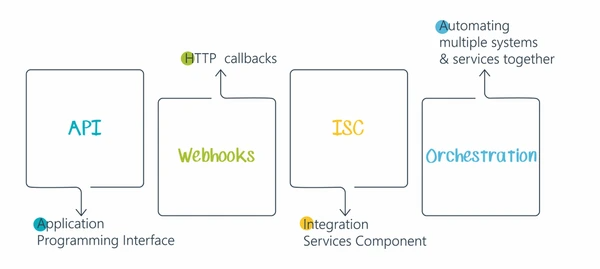
Implementation and Integration
WebSocket APIs can be integrated into web applications using tools like HTML5 and JavaScript. They support various frameworks and protocols for enhanced functionality:
- XMPP: Ideal for chat and instant messaging applications.
- STOMP: Perfect for publish/subscribe messaging systems.
- Remote Framebuffer Protocol: Used in virtual network computing (VNC) applications.
Challenges and Limitations
- Security Risks
Implementing robust encryption, authentication, and access controls is essential to address potential vulnerabilities. - Scalability
Managing numerous WebSocket connections and balancing loads effectively is critical for large-scale applications. - Fallback Mechanisms
For environments lacking WebSocket support, developers may need to implement alternative solutions or polyfills.
gRPC APIs: High-Speed Remote Procedure Calls
gRPC is an open-source, high-performance framework developed by Google for efficient communication between distributed systems and microservices. It offers low-latency and scalable solutions, making it ideal for modern application architectures.
Key Features and Advantages of gRPC
Efficient Communication
gRPC utilizes Protocol Buffers (protobuf) for data serialization, ensuring smaller and faster data transfers compared to JSON or XML.
By leveraging HTTP/2, it supports multiplexed bidirectional streaming, header compression, and other optimizations for superior performance.
Flexible Streaming Support
It accommodates four communication patterns: unary (request-response), server streaming, client streaming, and bidirectional streaming.
This versatility enables real-time data transfer and enhances communication between client and server applications.
Cross-Platform and Language Support
gRPC supports multiple programming languages, including C++, Java, Python, Go, and more, ensuring seamless interoperability.
Its language-agnostic nature facilitates communication between services built using different programming languages, ideal for polyglot architectures.
Load Balancing and Service Discovery
With built-in mechanisms, gRPC efficiently distributes requests across multiple servers using load balancing policies like round-robin and pick-first.
It supports service discovery for streamlined communication in dynamic environments.
Security and Authentication
gRPC ensures secure communication with Transport Layer Security (TLS/SSL), protecting data confidentiality and integrity.
It offers diverse authentication methods, such as token-based and certificate-based mechanisms, to meet various security requirements.
Applications and Use Cases
Microservices Architectures
gRPC enables low-latency, efficient communication between microservices, supporting complex service-to-service interactions.
Real-Time Streaming
Its streaming capabilities make it ideal for real-time data transfer in scenarios like video streaming, IoT data processing, and financial analytics.
Mobile and Web Applications
gRPC’s cross-platform compatibility and efficient communication streamline the development of high-performance mobile and web applications.
Network Management and Telemetry
With minimal overhead and advanced streaming, gRPC is well-suited for network monitoring and telemetry, enabling real-time insights and control.
Choosing the Right API Type for Your Needs
1. Understand Your Use Case
- Data Retrieval: REST APIs are ideal for applications requiring simple, resource-based data retrieval and manipulation.
- Real-Time Communication: WebSocket APIs are better suited for scenarios like live chats, gaming, and collaborative tools.
- Complex Service Integration: SOAP APIs are preferable for enterprise-level applications needing strict security, reliability, and standardization.
- Flexible Querying: GraphQL works well when clients need control over the structure and amount of data fetched.
- Low-Latency Systems: gRPC excels in microservices communication and real-time streaming.
2. Evaluate Performance Needs
- High-Speed Data Transfer: Use gRPC for high-performance applications requiring low latency and efficient data serialization.
- Moderate Performance: REST APIs are sufficient for typical web and mobile applications.
- Scalability: WebSocket APIs and gRPC can handle high volumes of concurrent connections for real-time or distributed systems.
3. Consider Security Requirements
- Strict Security Standards: Choose SOAP for applications requiring robust message-level security and encryption.
- Authentication and Encryption: REST, gRPC, and GraphQL can integrate secure protocols like TLS and OAuth for protecting data.
4. Assess Flexibility and Customization
- Resource-Based Flexibility: REST APIs provide standardized interfaces, simplifying resource-based integrations.
- Customizable Queries: GraphQL allows clients to fetch specific data fields, offering greater customization.
- Protocol Control: SOAP offers granular control through its strict standards but is less flexible compared to REST or GraphQL.
5. Integration and Ecosystem
- Cross-Platform Needs: gRPC supports multiple languages, making it ideal for polyglot systems.
- Legacy Systems: SOAP is suitable for integrating with existing enterprise systems.
- Lightweight Applications: REST or GraphQL is more appropriate for mobile and web applications with limited resources.
6. Developer and Tooling Support
- Established Standards: REST has extensive support and tools, making it developer-friendly.
- Advanced Tooling: GraphQL API and gRPC API require additional learning and tools for schema definition and implementation.
- Legacy Expertise: SOAP is more common in industries with established enterprise practices.
7. Cost and Complexity
- Simple Implementations: REST APIs are cost-effective and easy to implement for basic applications.
- Advanced Requirements: SOAP or gRPC may involve higher development and maintenance costs due to complexity.
- Real-Time Demands: WebSocket APIs may require more resources for managing persistent connections.
To get detailed scientific explanations of API, try Patsnap Eureka.
