


What Is an RTU (Remote Terminal Unit)?
A Remote Terminal Unit (RTU) is a critical component in modern industrial and utility systems, enabling efficient monitoring and control of remote equipment. Integrated with Supervisory Control and Data Acquisition (SCADA) systems, RTUs gather and transmit vital data such as measurements, signals, and meter readings. They also execute commands and adjust control variables to optimize system performance. Widely used in distribution automation, RTUs enhance the efficiency, reliability, and quality of electric service, making them indispensable for utilities and industrial applications. This article explores RTU functionality, applications, and the benefits they bring to automated systems.
How RTUs Work in Automation Systems
1. Architecture and Components
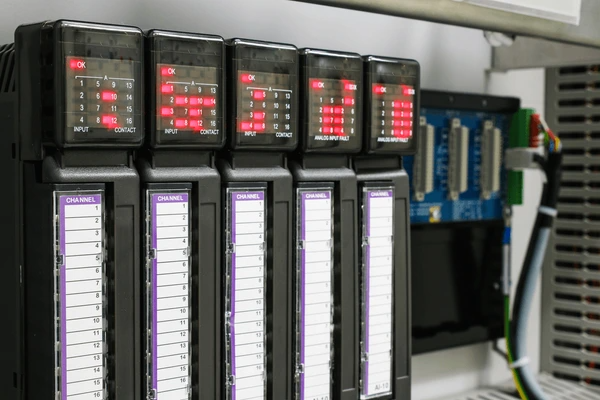
- RTUs include a microprocessor or microcontroller for data processing and control execution.
- Input/Output (I/O) modules interface with field devices like sensors, actuators, and instruments.
- Communication interfaces, such as serial, Ethernet, or wireless, facilitate data exchange with central systems.
- Memory components store programs, configurations, and historical data for reliable operation.
- Power supply units, often solar- or battery-powered, support use in remote and off-grid locations.
2. Communication Protocols and Integration
- RTUs support industry-standard protocols, including Modbus, DNP3, and IEC 60870-5, for seamless communication.
- They also handle proprietary protocols, enabling compatibility with a wide range of devices.
- Acting as protocol translators, they ensure efficient data exchange between field devices and central systems.
3. Data Acquisition and Control
- Collects data from field devices, including analog and digital signals and meter readings.
- Executes real-time control logic and algorithms locally for efficient operation.
- Transmits data to central systems for monitoring and supervisory control.
- Receives and implements control commands to operate connected field devices effectively.
4. Advanced Features and Capabilities
- Data Logging and Storage
- Logs historical data for trend analysis and system optimization.
- Tracks alarms and events to aid fault detection and troubleshooting.
- Energy Efficiency
- Employs power-saving techniques like sleep modes to conserve energy in solar-powered setups.
- Reliability and Fault Tolerance
- Features redundancy with dual processors or hot-standby configurations to ensure continuous operation.
- Remote Management
- Supports firmware upgrades and configuration changes from remote locations, enhancing operational flexibility.
Applications of RTUs in Various Industries
1. Oil and Gas Industry
- Units monitor and control remote assets such as wells, pipelines, and compression stations.
- They collect real-time and historical data from sensors and transmit it to central systems for analysis.
- Remote operations enhance efficiency, safety, and decision-making in challenging environments.
2. Power and Utilities
- Widely used in distribution automation and substation management, ensuring network reliability and efficiency.
- They monitor and control electrical networks, optimizing service quality for end-users.
- Support for protocols like IEC 60870 and DNP3 ensures seamless system integration.
3. Water and Wastewater Management
- These units monitor parameters such as water levels, flow rates, and pressure in distribution and treatment systems.
- They enable efficient control of pumps and valves, ensuring sustainable water resource management.
- Real-time monitoring reduces wastage and improves system reliability.
4. Transportation and Traffic Control
- Used for managing traffic signals, monitoring bridges, and supporting intelligent transportation systems.
- Data from sensors is used to optimize traffic flow and enhance safety in urban areas.
- These systems contribute to better infrastructure management.
5. Environmental Monitoring
- They collect critical data on air quality, weather conditions, and seismic activity from remote locations.
- This information aids in forecasting, disaster preparedness, and environmental conservation efforts.
- Continuous monitoring helps in proactive environmental management.
6. Industrial Automation
- Found in manufacturing plants for process monitoring and equipment control.
- They support various industrial protocols, enabling efficient remote monitoring and operations.
- These systems improve productivity and reduce operational downtime.
7. Emerging Applications
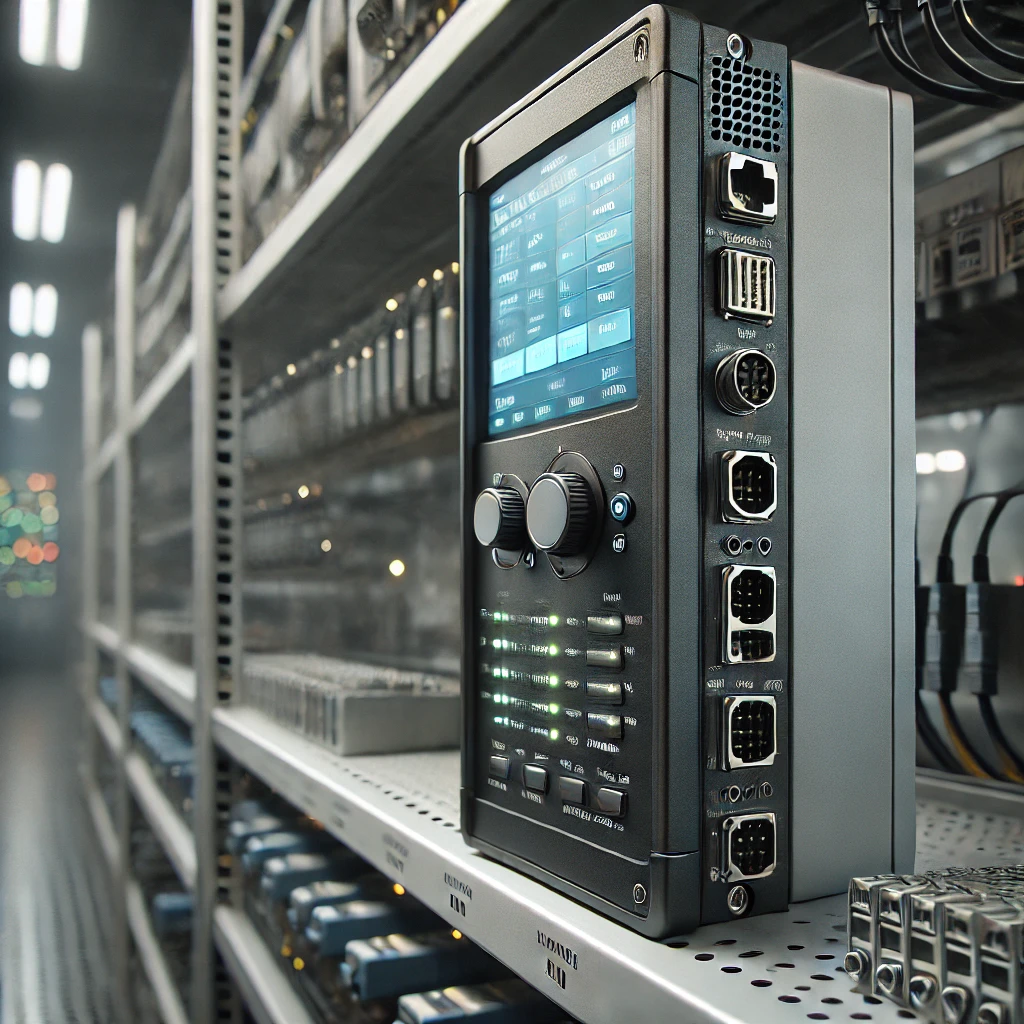
- New designs offer reconfigurable I/O channels and embedded algorithms for enhanced functionality.
- Applications now include smart cities, precision agriculture, and Industry 4.0 initiatives.
- Support for protocols like MQTT and OPC UA makes them adaptable to cutting-edge technologies.
Application Cases
| Product/Project | Technical Outcomes | Application Scenarios |
|---|---|---|
| Soft-core Processor Based RTU Indira Gandhi Centre for Atomic Research | Implemented complete digital logic in FPGA, overcoming component obsolescence, improved reliability and reduced power consumption. | Remote data acquisition and control in nuclear reactors during all operational states. |
| RTU Interface Controller Xi’an University of Posts & Telecommunications | Enabled connectivity via RS232, RS485/RS422 interfaces, expanding measurement and control range without GSM/GPRS network. | Remote measurement and control applications without GSM/GPRS coverage. |
| Universal I/O RTU Honeywell International Technologies Ltd. | Configurable universal I/O channels, compact, power-efficient, and expandable solution for industrial control and automation. | Flexible industrial control and automation systems requiring diverse I/O types. |
| OPC-UA Based M2M Network System Bühler AG | Enabled platform-independent PLC control, adaptable and efficient industrial process management with reduced costs and increased flexibility. | Industrial process control systems requiring adaptability and efficiency. |
| Multi-Protocol RTU Bharat Heavy Electricals Ltd. | Supported multiple communication protocols, enabling integration into distribution management systems (DMS). | Supervisory control and data acquisition (SCADA) in distribution management systems. |
The Future of RTU Technology in Automation
1. Expanding Network Capabilities
- Modern systems demand support for diverse network configurations and advanced communication protocols.
- Devices must adapt to handle increased connectivity, enabling seamless interaction with various systems and applications.
2. Standardization and Interoperability
- Standardization efforts are crucial to ensure compatibility across different automation platforms.
- Unified protocols and models simplify integration and improve system efficiency in complex setups.
3. Enhancing Stability and Reliability
- Improving system stability and reliability is a primary goal for advanced automation technologies.
- Enhanced accuracy in data collection and control improves overall system performance and decision-making.
4. Adapting to Complex Control Models
- Automation systems are evolving, requiring units to support intricate control algorithms and adaptive processes.
- Flexible designs and reconfigurable features are essential to meet these growing demands.
To get detailed scientific explanations of Remote Terminal Units, try Patsnap Eureka.
