


What Is a Cold Solder Joint?
A cold solder joint is a defective electrical connection caused by inadequate heating during the soldering process. It occurs when the solder does not melt completely or fails to form a proper intermetallic bond with the metal surfaces being joined. This results in a weak, unreliable connection that can lead to intermittent or complete failure of the electronic circuit or component.
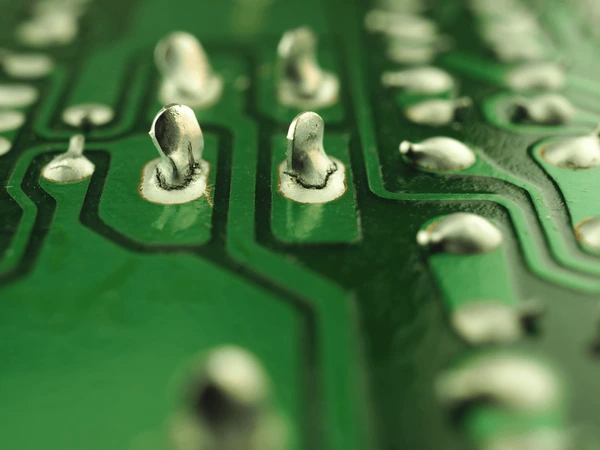
What Causes a Cold Solder Joint?
- Insufficient heat transfer: Inadequate heat applied to the joint during soldering, preventing the solder from reaching its melting point.
- Poor wetting: Contamination or oxidation on the metal surfaces, hindering the solder’s ability to wet and adhere properly.
- Improper soldering technique: Incorrect soldering iron temperature, dwell time, or flux application.
- Thermal fatigue: Repeated thermal cycling can cause the solder joint to weaken over time, leading to a cold joint.
How to Fix a Cold Solder Joint
If cold solder joints are detected, they should be repaired promptly to maintain the reliability and functionality of the electronic assembly:
- Reflow or rework the affected joint by applying sufficient heat and fresh solder to establish a proper intermetallic bond.
- Implement design improvements, such as optimizing the solder joint geometry or using reinforced solder joints, to enhance mechanical strength and thermal cycling resistance.
- Conduct thorough failure analysis to identify the root cause and implement corrective actions in the manufacturing process.
Preventing Cold Solder Joints
- Ensure adequate heat transfer by using the correct soldering iron temperature and dwell time.
- Maintain clean and oxide-free metal surfaces through proper surface preparation and flux application.
- Implement rigorous quality control measures, such as visual inspection and electrical testing, to identify cold joints early.
- Consider using lead-free solder alloys with improved mechanical properties and resistance to thermal fatigue.
Common Problems Caused by Cold Solder Joints
Electrical Failures
Cold solder joints result in poor or intermittent electrical connections, leading to various electrical failures. This is because the lack of proper metallurgical bonding between the solder and the metal surfaces prevents the formation of a reliable electrical pathway. Some specific electrical issues include:
- Open circuits and loss of signal integrity
- Increased contact resistance and voltage drops
- Electromagnetic interference (EMI) and signal noise
Mechanical Weaknesses
The absence of a strong metallurgical bond in cold solder joints significantly compromises the mechanical strength and integrity of the joint. This can lead to:
- Reduced joint strength and increased susceptibility to mechanical stress and vibrations
- Premature fatigue failure and cracking, especially in thermal cycling conditions
- Delamination and complete joint separation under mechanical loads
Reliability and Longevity Issues
Cold solder joints are inherently unreliable and prone to degradation over time, affecting the overall reliability and longevity of electronic devices and systems. Some common consequences include:
- Increased risk of field failures and reduced mean time between failures (MTBF)
- Shortened product lifespan and increased maintenance/repair costs
- Safety concerns in critical applications (e.g., aerospace, medical devices)
Manufacturing Defects and Yield Losses
The presence of cold solder joints can also indicate underlying issues in the manufacturing process, leading to defects and yield losses:
- Potential root causes include improper soldering parameters (e.g., temperature, time), contamination, or component misalignment
- Increased rework and scrap rates, impacting production efficiency and costs
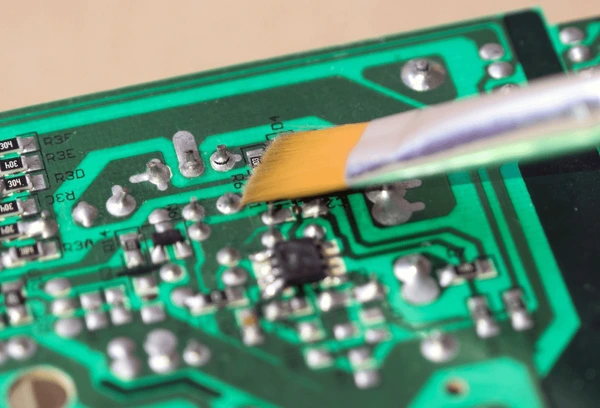
Tips for Better Soldering
Proper Heating
- Ensure the joint and components are heated to the desired critical temperature before applying solder. Insufficient heating leads to poor wetting and bonding, resulting in cold joints.
- Use techniques like thermocouples or pressure sensors to verify the joint has reached the required temperature before solder application.
- Optimize the heating profile (temperature, time) to facilitate good intermetallic compound formation for strong metallurgical bonding.
Solder Wetting and Flow
- Use a concave or grooved soldering iron tip to improve solder flow and direction control onto the joint area.
- Ensure surfaces are properly cleaned and fluxed to remove oxides and promote good solder wetting.
- Consider solder alloy composition – lead-free solders may require higher temperatures and have different wetting behaviors.
Joint Design
- Minimize thermal expansion mismatch between components to reduce joint stresses during thermal cycling.
- Use proper joint geometries and solder volumes to facilitate heating and solder flow.
- Incorporate design features like solder masks or surface finishes to control solder flow.
Process Control
- Implement robust process controls for soldering parameters like time, temperature, atmosphere.
- Inspect joints using X-ray, acoustic, or other non-destructive techniques to identify defects.
- Consider using inert atmospheres during soldering to minimize void formation from outgassing.
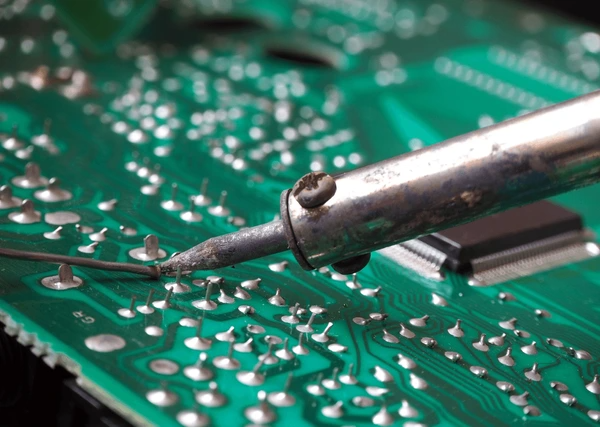
Applications of Cold Solder Joint
- Consumer Electronics: Smartphones, laptops, tablets, and other portable devices are susceptible to cold solder joints due to their compact design and miniaturization.
- Automotive Electronics: Electronic control units (ECUs), sensors, and infotainment systems in vehicles can experience cold solder joint failures, potentially leading to malfunctions or safety issues.
- Aerospace and Defense Systems: Critical avionics, navigation, and communication equipment must be free from cold solder joint defects to ensure reliable operation.
- Industrial Automation: Programmable logic controllers (PLCs), robotics, and other industrial equipment can suffer from intermittent failures caused by cold solder joints.
Latest Technical Innovations in Cold Solder Joint
Cold Spray Coating for Corrosion Protection
Cold spray technology has been utilized to deposit high-density nickel coatings on stainless steel solder joints, providing effective corrosion protection. The nickel coating, with a porosity of less than 0.5%, shields the solder joint area from corrosive environments, preventing corrosion in areas where the passive film is damaged during welding.
Laser Soldering for High-Speed Film-on-Board Bonding
Laser soldering has emerged as a promising technique for high-speed and cost-effective film-on-board (FOB) direct bonding. By rapidly heating the localized solder joint area, the process can be optimized through parameters such as laser power, beam scanning speed, solder pre-coating, flux, and soldering fixture design. Optimized laser soldering conditions can achieve sufficient peel strength, process yields, and reliability, while mitigating common failure modes like cold solder joints and film burning.
Solder Joint Reliability Enhancements
Recent innovations aim to improve the reliability and performance of cold solder joints by addressing challenges such as thermal fatigue, mechanical stress, and electrical resistance. Advancements in solder alloy compositions, joint geometries, and surface treatments have been explored to enhance joint strength, ductility, and thermal cycling resistance.
Process Monitoring and Quality Control
Advanced monitoring techniques, such as in-situ thermal imaging and electrical resistance measurements, have been developed to ensure consistent solder joint quality and detect defects like cold solder joints during the manufacturing process. Machine learning algorithms and data analytics are being employed for real-time process optimization and quality control.
FAQs
- What is the main cause of a cold solder joint?
The primary cause is insufficient heat during soldering, preventing the solder from fully melting and bonding. - How can I tell if a solder joint is cold?
Look for a dull, grainy, or uneven surface. Testing with a multimeter can also reveal connectivity issues. - Can cold solder joints cause permanent damage?
While they may not directly damage components, weak connections can lead to failures that stress other parts of the circuit. - What tools do I need to fix a cold solder joint?
You’ll need a soldering iron, solder, a desoldering pump or wick, and a multimeter for testing. - How can I avoid cold solder joints when soldering for the first time?
Use the correct temperature, clean your tools and components, and ensure you apply heat evenly during soldering.
To get detailed scientific explanations of cold solder joints, try Patsnap Eureka.
