


Choosing between Intel’s i5 and i7 processors can feel like a tough decision, especially with their overlapping features and performance capabilities. Both options deliver excellent computing power, but they cater to different needs, from casual users to professionals. The i5 strikes a balance between performance and affordability, while the i7 offers enhanced speed and multitasking for demanding tasks. This article will compare the Intel i5 vs. i7 processors, exploring their key differences, performance metrics, and ideal use cases to help you determine which one is right for you. Whether you’re gaming, working, or simply browsing, we’ll guide you to the best choice.
Overview of Intel Core i5
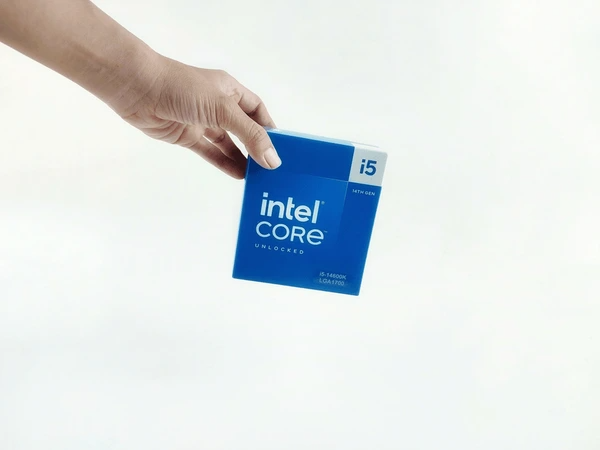
The Intel Core i5 series is a popular line of mid-range processors designed for a balance of performance and affordability. These versatile processors are commonly found in both desktops and laptops, making them a favorite among users seeking reliable and efficient computing power.
Key Features
- 4K Support: Perfect for content creators needing high-resolution editing and playback.
- Multitasking Efficiency: Handles multiple applications smoothly without significant slowdowns.
- Versatility: Designed to meet the needs of students, professionals, and casual users alike.
Overview of Intel Core i7
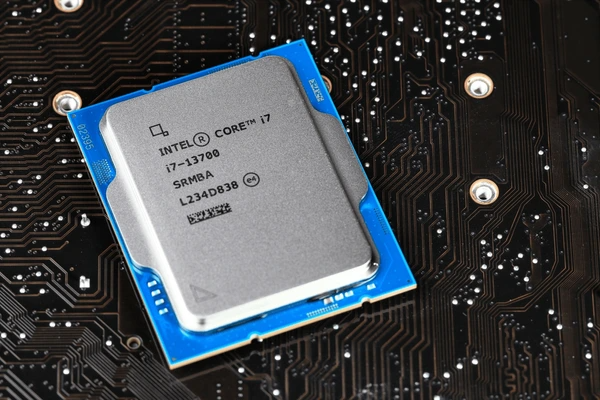
The Intel Core i7 is a high-performance processor designed for both consumer and enterprise markets. It belongs to Intel’s Core lineup, which also includes the Core i3, i5, and i9 series. Known for its advanced features and high clock speeds, the i7 excels at demanding tasks like gaming, content creation, and professional workloads.
Architecture and Features of the Core i7
- The Core i7 is built on a range of microarchitectures, including Nehalem, Sandy Bridge, Ivy Bridge, Haswell, and Alder Lake.
- Each generation brings upgrades in performance, power efficiency, and cutting-edge features to meet modern computing demands.
- Hyper-Threading: This feature allows each core to handle multiple threads simultaneously, boosting multitasking and multithreaded application performance.
- Turbo Boost Technology: The i7 dynamically increases clock speeds under load, delivering extra power when needed for intensive tasks.
Intel i5 vs. i7: Key Differences
Performance and Processing Power
- Intel Core i7 processors outperform i5 processors in overall performance and processing power.
- i7 models typically have more cores and threads, enabling better multitasking and handling of multi-threaded applications.
- These differences make the i7 ideal for demanding tasks like video editing and rendering.
Clock Speeds
- i7 processors feature higher base and boost clock speeds compared to i5 models.
- Faster clock speeds allow i7 CPUs to execute tasks more quickly and efficiently.
- This results in noticeable performance improvements for speed-sensitive activities, such as gaming.
Architecture and Features
- i7 processors benefit from more advanced architectural features than i5 models.
- Enhancements include higher efficiency cores, larger cache sizes, and advanced technologies for improved performance.
- These features contribute to the i7’s ability to handle intensive workloads with ease.
Power Consumption and Efficiency
- i7 processors generally consume more power than i5 models due to their higher performance.
- This trade-off is crucial for laptops and mobile devices where battery life is important.
- Users should consider whether performance or power efficiency is more critical for their needs.
Target Use Cases
- Intel Core i5: Best suited for general-purpose tasks like web browsing, gaming, and basic work.
- Intel Core i7: Designed for demanding applications like video editing, 3D rendering, and professional workloads.
Future-Proofing: Is Investing in i7 Worth It?
When choosing between an Intel Core i5 and i7, future-proofing is a critical consideration. The i7 processors often offer higher performance, advanced features, and better scalability, making them a worthwhile investment for many users.
- Performance Longevity: With more cores, threads, and faster clock speeds, the i7 is better equipped to handle future software and applications that demand higher processing power.
- Advanced Features: Technologies like Hyper-Threading, larger cache sizes, and higher efficiency cores make the i7 more adaptable to future computing needs.
- Scalability: If you plan to upgrade your system with advanced peripherals or tackle heavier workloads in the future, the i7 provides more headroom for growth.
- Cost vs. Value: While i7 processors are more expensive, their ability to handle future demands may save you from upgrading sooner, offering better long-term value.
To get detailed scientific explanations of Intel i5 vs. i7, try Patsnap Eureka.
