


Digital Light Processing (DLP) is a display technology that uses digital micromirror devices (DMDs) to project images. Texas Instruments developed it originally, and it has since become widely used in projectors, digital signage, and some high-end TVs. DLP technology is known for its excellent image quality, brightness, and reliability, making it suitable for both home entertainment and professional applications.
What is DLP Technology?
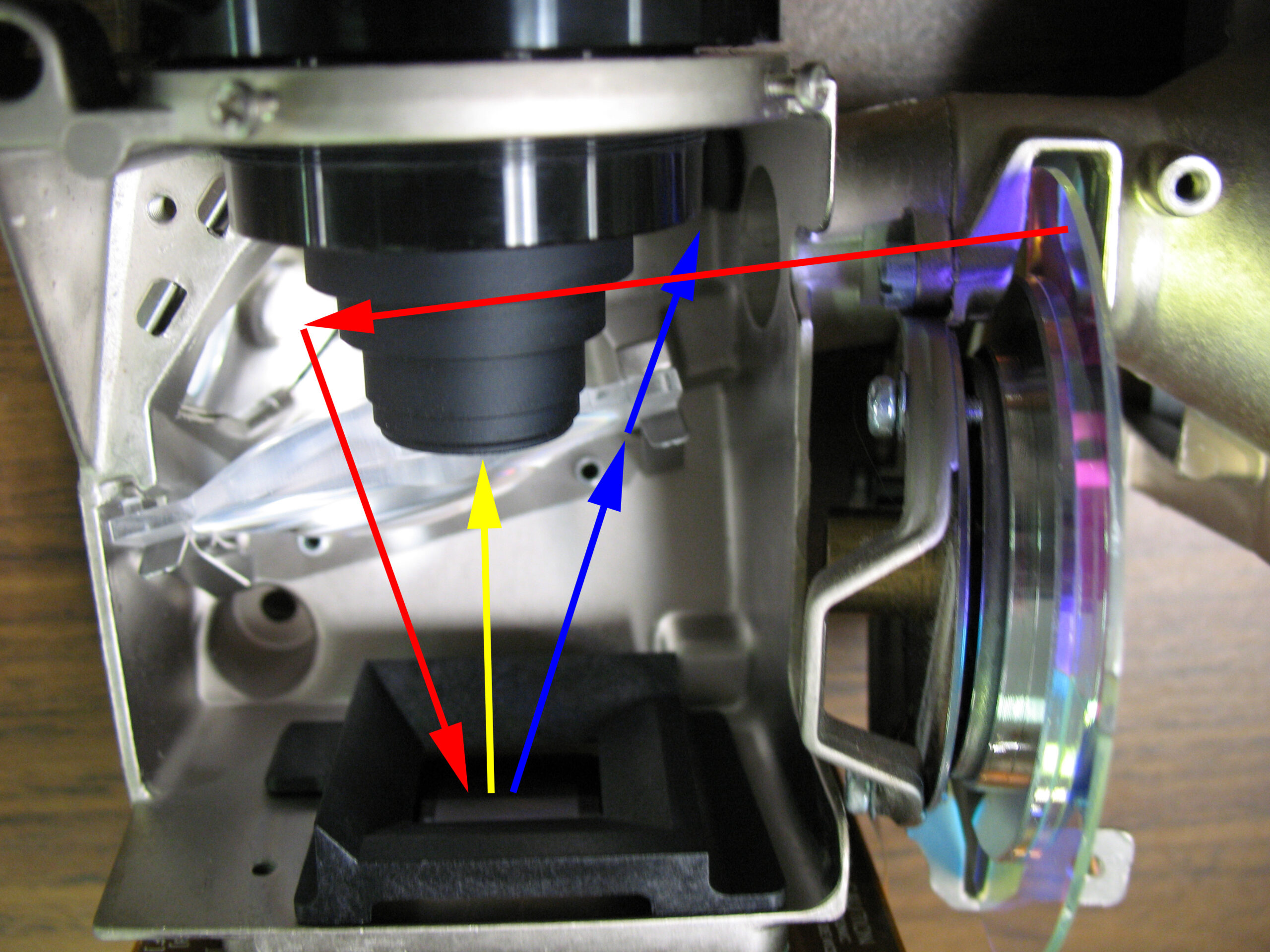
DLP stands for Digital Light Processing, a technology that uses a Digital Micromirror Device (DMD) chip to project light. The DMD chip contains thousands or even millions of tiny mirrors, each representing a pixel. These mirrors tilt to reflect light towards or away from the screen, creating a visual image. The light source typically comes from a lamp, LED, or laser, which illuminates the DMD chip, and the mirrors project the light onto the screen.
How DLP Works
DLP works by utilizing a DMD chip, which is a key component made up of thousands or even millions of microscopic mirrors. These mirrors tilt in either direction to reflect light towards the screen or away from it. In a typical DLP projector, the light source combines with a color wheel or LEDs that generate red, green, and blue light. The DMD chip rapidly tilts the mirrors to display the image frame by frame.
Key Features of DLP
- High Brightness: DLP projectors offer high brightness, making them ideal for both home theaters and large venues.
- Sharpness and Clarity: DLP delivers sharp and precise image quality due to its high pixel density.
- Compact and Durable: DLP technology allows for compact, portable designs and tends to be more durable because it has no moving parts, making it less susceptible to wear and tear.
- Low Maintenance: Since DLP uses digital mirrors and LEDs or lasers, users need less maintenance than other projector technologies like LCD.
- Smooth Image Quality: DLP produces smooth, clear images with little motion blur.
Resonant Frequency in DLP Displays
What is Resonant Frequency?
In the context of DLP technology, resonant frequency refers to the natural frequency at which mechanical systems vibrate. In DLP projectors, vibrations can occur in the micro-mirrors of the DMD chip. These vibrations, if not controlled, can distort or degrade the image quality.
Role of Resonant Frequency in DLP
DLP projectors are generally less affected by resonant frequency issues compared to other technologies like LCoS, but manufacturers still design the system with careful consideration of mechanical stability. The DMD chip’s tiny mirrors should remain stable under normal operating conditions. Engineers use methods like damping to minimize the effects of resonance, ensuring a high-quality image.
DLP vs. Other Display Technologies
| Property | DLP | LCoS | LCD | OLED |
|---|---|---|---|---|
| Resonant Frequency | Minimal resonance effects | Affects system stability | Less prone to resonance | No mechanical resonance |
| Brightness | High (Lamp/LED/Laser-based) | High (LED/Laser-based) | Moderate | High (self-emissive) |
| Color Accuracy | Moderate (depends on color wheel) | Very High (RGB Panels) | Moderate | High |
| Cost | Moderate | Expensive | Relatively Low | High |
Applications of DLP Technology
Curious about DLP technology? Eureka Technical Q&A offers expert insights into its applications in projectors, displays, and digital signage, helping you understand how it enhances image quality, brightness, and performance.

- Projectors
DLP technology powers projectors used in home theaters, conference rooms, cinemas, and large venue presentations. Its high brightness and reliable image quality make it popular for both consumer and business use.
- Example: The Optoma UHD60 is a popular 4K DLP projector that offers exceptional image quality for home entertainment.
- Digital Signage
DLP technology powers large-format displays like billboards and public transport information boards, making it popular in digital signage.
- Example: Digital signage at airports and shopping malls often uses DLP for bright and sharp visuals.
- 3D Projectors
DLP technology also supports 3D projectors, delivering sharp stereoscopic images through polarized glasses or active shutter glasses.
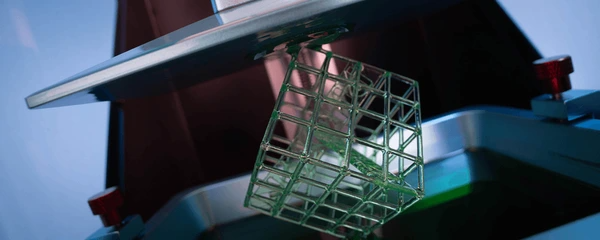
- Example: DLP-based 3D projectors are used in movie theaters to display 3D films with precise depth effects.
- Cinemas
DLP is a primary technology used in digital cinema projectors. Its high brightness, clarity, and ability to handle large screens make it the standard in movie theaters worldwide.
- Example: The Christie Digital DLP projectors used in movie theaters offer 2K or 4K resolutions for high-quality cinema projection.
- Medical Imaging
DLP technology is also applied in medical imaging systems, providing clear, high-contrast images for diagnostic purposes.
- Example: Some endoscopy systems use DLP for real-time imaging.
Application Cases
| Product/Project | Technical Outcomes | Application Scenarios |
|---|---|---|
| Digital Light Processing (DLP) Texas Instruments Incorporated | Enables high-quality color printing on plain paper with photorealistic quality, quickly and inexpensively | Digital color printers for commercial and consumer use |
| Reflective DLP Device International Business Machines Corp. | Improves resolution and reliability, reduces ‘screen door’ effect in DLP systems | High-performance display systems and projectors |
| Projection Module GoerTek Inc. | Reduces size of projection module using micro semiconductor light emitting devices | Compact electronics apparatus requiring built-in projection capabilities |
| DLP-integrated Spectrometer and Ellipsometer J.A. Woollam Co., Inc. | Enables efficient wavelength selection and imaging, enhancing stability and uniformity of beam delivery | Advanced spectroscopy and ellipsometry applications in research and industry |
| DLP Illuminating Lens System LG Electronics, Inc. | Achieves same performance with fewer lenses, reducing optical length for more compact optical engines | Compact projectors and display systems in consumer electronics |
Safety and Considerations in Using DLP
- Handling Light Sources
DLP projectors often use high-intensity lamps or lasers, which can harm the eyes if exposed directly. Users should avoid looking into the light source when operating or setting up a DLP projector. - Heat Management
The light sources used in DLP systems can generate significant heat, requiring adequate cooling systems to prevent overheating. Regular maintenance of the projector’s cooling system ensures long-lasting performance. - Vibration and Stability
DLP projectors are generally less affected by vibration compared to technologies like LCoS, but users should still take care to minimize any mechanical distortion or image degradation in high-vibration environments.
FAQs
- What is the difference between DLP and LCoS?
While both DLP and LCoS use digital imaging, DLP relies on tiny mirrors to reflect light, whereas LCoS uses liquid crystal panels on a silicon substrate. DLP generally provides better brightness, but LCoS offers superior color accuracy. - Is DLP suitable for home theaters?
Yes, DLP is an excellent choice for home theater projectors due to its brightness, sharpness, and relatively low cost. Many 4K DLP projectors are available for high-end home theater setups. - How does DLP compare to OLED technology?
DLP technology relies on light being reflected by mirrors, while OLED uses self-emissive pixels that produce their own light. OLED typically offers better contrast and color accuracy, but DLP can be more cost-effective and offers higher brightness for larger displays. - Can DLP projectors be used outdoors?
DLP projectors can be used outdoors with proper environmental protection and cooling systems. They are commonly found in outdoor movie screenings and public events. - What is the lifespan of a DLP projector?
The lifespan of a DLP projector varies depending on the light source. LED and laser-based DLP projectors can last between 20,000 to 30,000 hours, while traditional lamp-based projectors might have a lifespan of 2,000 to 5,000 hours.
Conclusion
Digital Light Processing technology has proven to be a reliable and versatile option for projectors, digital signage, and various professional applications. Its brightness, clarity, and compactness make it an attractive choice for both consumer and business use. With its ability to produce sharp images and its resistance to wear and tear, DLP continues to be a go-to technology for high-performance displays. Understanding the key features, applications, and safety considerations of DLP can help users make the most of this powerful technology.
To get detailed scientific explanations of Digital Light Processing, try Patsnap Eureka.
